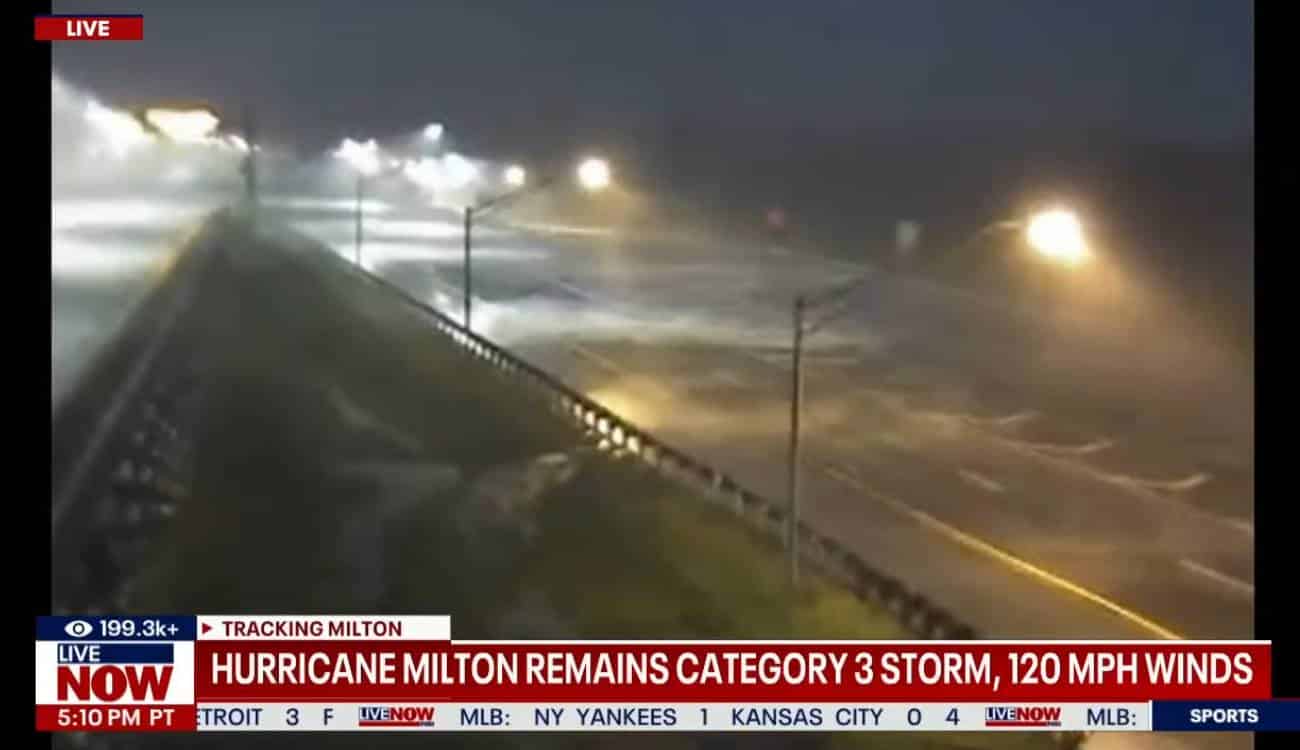
Hurricane Milton, a powerful storm, is already causing destruction in the Tampa area, with flooding and tornadoes even before officially making landfall in the U.S. With winds of up to 120 mph (193 km/h) and intense rain, various regions are under extreme wind alerts. The storm is expected to make landfall between Tampa and Sarasota around 11 PM tonight, October 9, 2024, with catastrophic impacts. Local authorities have issued evacuation orders as the storm threatens further devastation.
Since late afternoon, coastal areas of Tampa Bay have been experiencing severe flooding, particularly in low-lying zones. Local officials have closed several roads and bridges to prevent people from risking their safety in these dangerous conditions. Additionally, efforts to protect residents have intensified as many seek shelter from the life-threatening conditions brought by the storm.
Despite losing some intensity, with Milton now classified as a Category 3 hurricane, meteorologists warn that it remains highly dangerous due to its size, wind force, and rainfall. The storm has also generated isolated tornadoes, like the one in Cape Coral, which caused significant damage to buildings and infrastructure.
Storm surges are expected to reach up to 12 feet in Tampa Bay and 13 feet between Sarasota and Fort Myers, posing serious threats to already waterlogged areas. Authorities have emphasized that these surges could cause further flooding, leading to property damage and life-threatening conditions.
Tampa and Sarasota: Key Areas at Risk
Tampa, which hasn’t seen a direct hurricane hit in over a century, is under high alert. Although the storm’s center may pass south of Tampa, experts urge all residents to prepare for severe impacts. Winds and storm surges will affect the entire region, causing road closures and disruptions to public services.
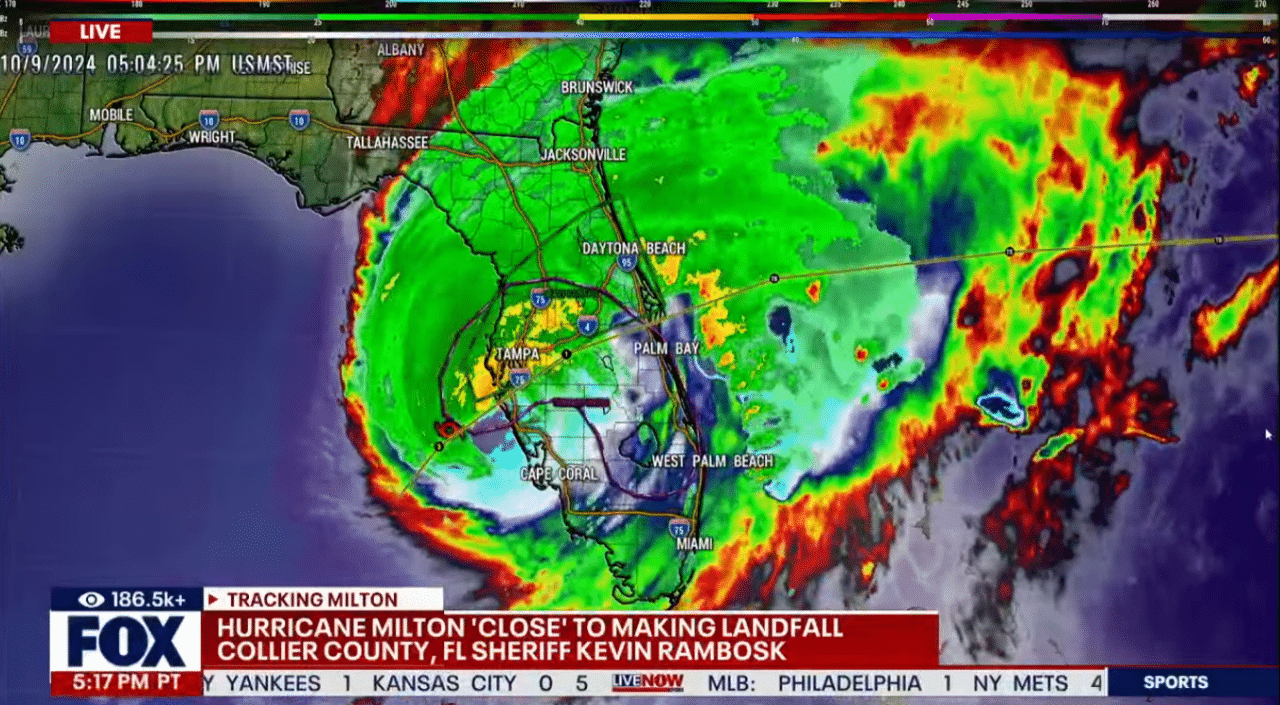
Southern areas like Sarasota are projected to be directly in Milton’s path. These regions have already experienced heavy winds, and the incoming eyewall of the hurricane is expected to increase the damage. Hospitals and emergency services in these areas are preparing for a surge in residents seeking shelter and medical care.
Evacuation Efforts and Florida’s Preparation
Over the past 48 hours, state and local authorities have ramped up preparations. Around 9,000 National Guard members are on standby to assist with rescue efforts in the most affected areas. Emergency vehicles, including gasoline supply convoys, are ensuring that residents can evacuate or prepare adequately.
Rescue teams specializing in flood and landslide response are also prepared, as many regions face high risks of structural collapses due to saturated soil. For example, Tampa Bay General Hospital has taken extraordinary precautions, erecting barriers to protect against flooding, although concerns remain that water levels may exceed these defenses.
Timeline of Events and Key Developments
- October 5, 2024: Hurricane Milton begins to form, rapidly strengthening in the Gulf of Mexico.
- October 7, 2024: Milton reaches Category 5 intensity, the highest on the Saffir-Simpson scale.
- October 9, 2024 (morning): Milton weakens slightly to a Category 3 storm but remains extremely dangerous. Florida declares a state of emergency for coastal regions.
- October 9, 2024 (afternoon): Heavy rains and wind gusts begin hitting Tampa, with reports of flooding and tornadoes in surrounding areas.
- October 9, 2024 (evening): Milton is expected to make landfall between 10 and 11 PM near Sarasota, with significant effects already felt in Tampa and nearby areas.
Future Implications
As Hurricane Milton continues its destructive path inland, damage levels are expected to rise. In addition to the immediate flooding, Florida faces challenges in the coming weeks due to infrastructure and housing damage. Power outages, already affecting multiple areas, will likely worsen, and restoring services could take days or even weeks in some regions.
Once the storm passes, the hardest-hit areas will likely face massive rebuilding efforts, especially in coastal communities where storm surges and high winds will have caused the most significant damage. Coastal erosion may also permanently change some parts of the region, affecting local communities and tourism industries.
Post-Storm Rescue Operations
In the first days after the hurricane, rescue efforts will be critical. With transportation routes and communication systems disrupted, emergency teams will work tirelessly to reach isolated areas and provide aid to those left behind. These operations will be supported by federal assistance, which is already being coordinated to respond once the hurricane clears the region.
