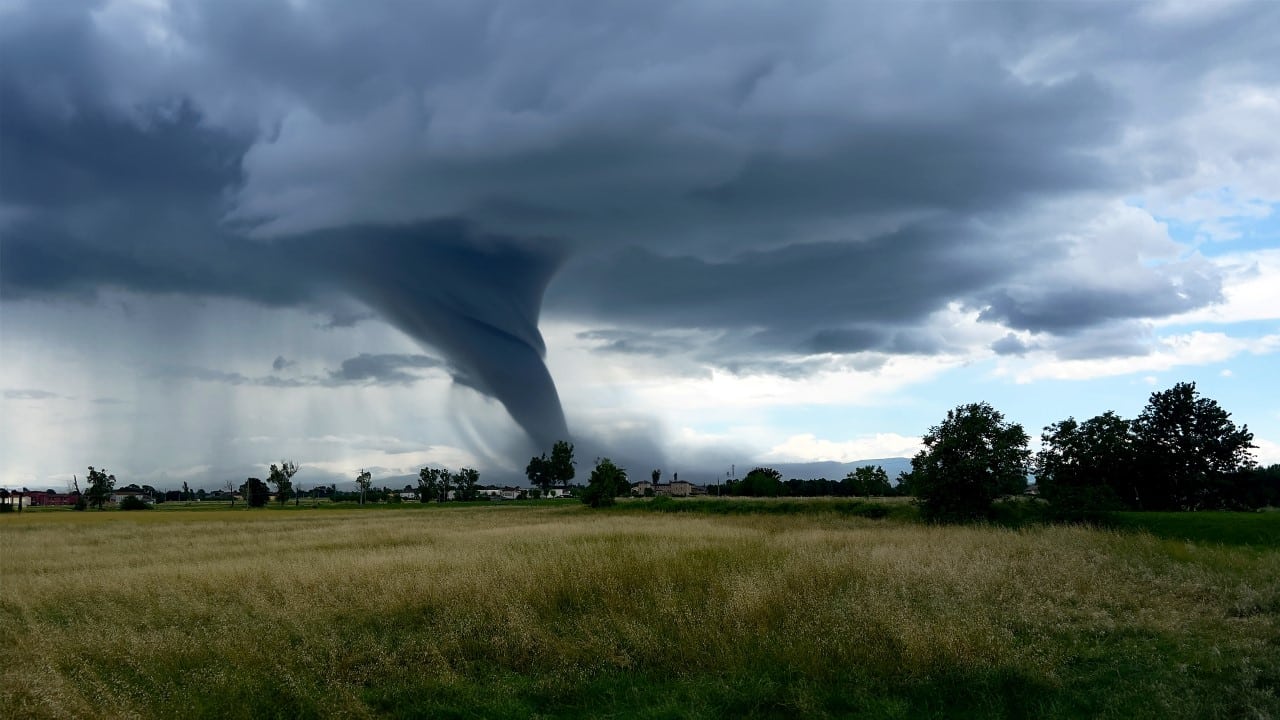
Florida is facing yet another major climate challenge with the arrival of Hurricane Milton, which is already causing tornadoes in various parts of the state. Classified as a Category 4 hurricane, Milton moved at an impressive speed through the Gulf of Mexico, reaching Florida’s west coast, where millions of people are now under alert. Local authorities have issued evacuation orders for several regions due to the severity of the phenomenon, with winds exceeding 130 mph (210 km/h), in addition to heavy rains and flooding.
The U.S. National Weather Service reported that the hurricane has already caused multiple tornadoes in southern Florida, affecting several cities and causing the destruction of roads, vehicles, and properties. The population has been advised to seek safe shelters and prepare for potential emergency evacuations. Hurricane Milton, which began as a tropical depression, quickly intensified, causing severe damage along its path. In many regions, the accumulated destruction is still visible, and emergency services are overwhelmed in various areas of the state.
Challenges Caused by Milton and the Impact on Cities
Milton is the second major hurricane to hit Florida in a short period, following the devastation caused by Hurricane Helene. The new storm is putting additional pressure on a population already exhausted, and on emergency services still recovering from the previous disaster. It is estimated that over 12 million people are directly at risk from Milton’s arrival, and authorities fear the number of displaced individuals will drastically increase.
Among the major cities affected, Miami, Tampa, and Orlando were hit hard, with several urban areas under a state of emergency. Florida Governor Ron DeSantis had already declared a state of emergency before the hurricane made landfall, mobilizing security forces and rescue teams to deal with the imminent crisis. Strong winds and torrential rains have rendered many roads impassable, complicating evacuation efforts and rescue operations.
Unexpected Tornadoes and the Danger in Urban Areas
The tornadoes accompanying Hurricane Milton have caused chaos in several parts of southern Florida, including densely populated areas. Tornadoes are known for their unpredictability and destructive capacity, and many residents were caught off guard by how quickly they formed. Furthermore, the impact of tornadoes in urban areas tends to be more devastating due to the higher number of structures and people exposed to danger.
These additional phenomena further complicate the situation, forcing emergency services to divide their attention between preparations for the hurricane and immediate response to the damage caused by tornadoes. The fast-moving storms have destroyed homes, disrupted power supply, and severely impaired communication networks.
Economic and Social Impact of Hurricane Milton
In addition to physical damage, Florida’s economy is also suffering from Milton’s passage. Several important sectors, such as tourism, commerce, and agriculture, are already recording significant losses. Tourism, one of Florida’s main economic pillars, has been heavily affected, with flight cancellations, hotel closures, and mass evacuations forcing many tourists to leave the region.
Agriculture is also facing serious challenges, with crops being destroyed by heavy rains and winds. Regions known for producing citrus fruits and sugarcane are among the hardest hit, and recovery may take months, if not years. Additionally, many families have lost their homes and are being moved to emergency shelters, creating a humanitarian crisis that extends beyond the immediate impacts of the storm.
Chronology of Milton’s Progress
- First week of October: Tropical Storm Milton forms in the Gulf of Mexico, generating the first alerts along Florida’s coast.
- Second week of October: Milton is officially classified as a Category 4 hurricane, with winds above 125 mph (200 km/h). The National Weather Service issues tornado warnings.
- October 9, 2024: The hurricane reaches Florida’s coast, bringing tornadoes and torrential rains. Cities such as Miami, Tampa, and Orlando suffer serious damage.
- From October 10 onward: Rescue and cleanup operations begin, while the population still faces the threat of floods.
Safety Measures and Preparation
With the clear threat of Milton, Florida authorities took preventive measures to reduce damage and protect lives. The evacuation of high-risk areas was swiftly implemented, and emergency shelters were set up in various parts of the state. However, many residents opted to remain in their homes, putting their lives at risk due to the storm’s magnitude.
Local authorities emphasized the importance of following safety guidelines, particularly concerning evacuation. Tampa’s governor, in an urgent statement, stressed that those who choose to stay in the affected areas are facing great risk, warning that “those who stay behind are putting their lives in danger.” This severity reflects the devastating potential of Milton, which has already become one of the most concerning events of this year’s hurricane season.
Post-Storm Future
Once Milton moves away from Florida, the state will face the long process of rebuilding. The priority will be to restore essential services such as electricity, water supply, and debris removal from the hardest-hit areas. The infrastructure, already weakened by recent disasters, will need significant investments to ensure the state can face future climate events with more resilience.
Experts say that the total economic impact of Milton will only be measurable in the coming weeks, but initial estimates suggest that recovery costs could exceed billions of dollars. The cooperation between security forces, emergency services, and the population will be crucial to the state’s reconstruction and overcoming this new crisis.
Hurricane Milton is yet another example of climate change in action, intensifying storms and increasing their frequency. Florida, a region that frequently faces challenges with climate phenomena, will now have to reflect on how to improve its defenses and policies to mitigate damage from future catastrophes.
