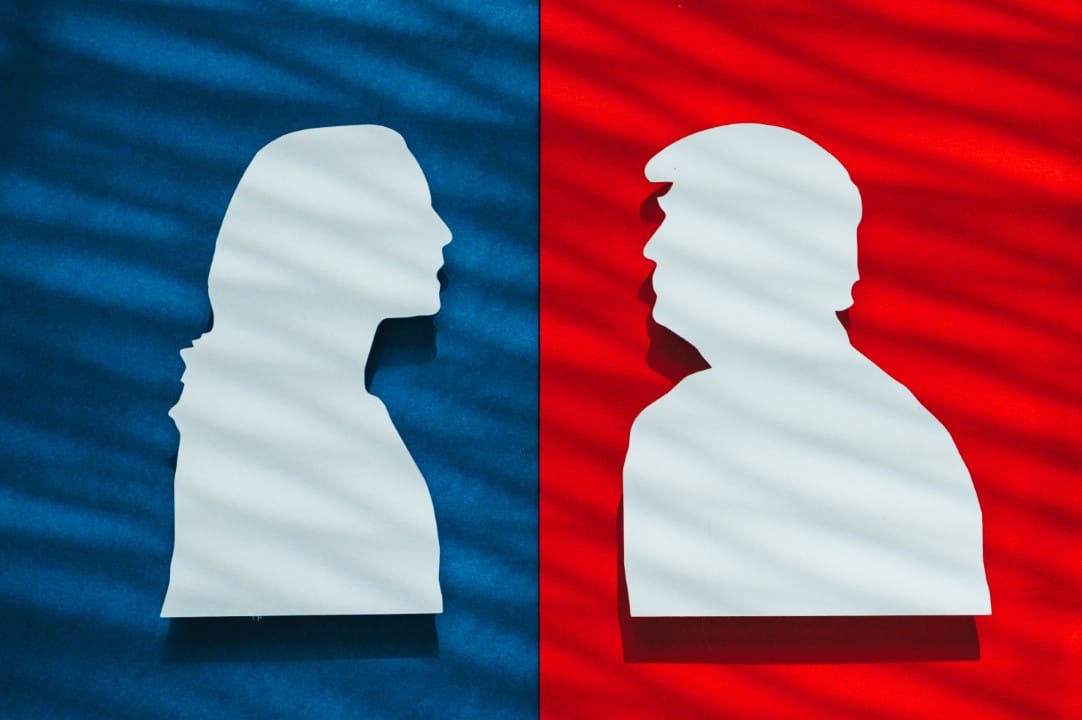
Recent elections in the United States have unveiled significant concerns among voters about the state of the nation and President Joe Biden’s performance. According to extensive exit polls, approximately three-quarters of the electorate hold a negative view of the current trajectory of the US. This portrayal underscores both widespread discontent and the impact of political and economic perceptions on American society.
Voter discontent and key figures
The survey found that only around 25% of respondents expressed satisfaction or enthusiasm about the state of the country. This starkly contrasts with over 40% who reported dissatisfaction and approximately 30% who stated they were angry about the current state of affairs. Such widespread dissatisfaction reflects ongoing economic conditions, rising inflation, and divisive political issues.
- Approximately 75% of voters expressed a negative outlook on the country’s direction.
- Over 40% reported dissatisfaction, while nearly 30% indicated anger.
- Only about one-quarter of voters were either enthusiastic or satisfied with the current situation.
Demographic insights and sample characteristics
The exit poll, conducted by Edison Research for the National Election Pool, included interviews at 279 voting sites across the nation. It covered voters who cast their ballots on election day as well as those who voted early or by mail. The survey featured a total of 16,604 respondents, with a margin of error of around 2 percentage points, a figure that may increase for specific subgroups.
Survey methodology highlights
- Interview locations: Conducted at 279 voting sites nationwide.
- Collection period: From October 24 to November 2.
- Total number of respondents: 16,604 voters.
- Margin of error: Approximately 2 percentage points.
Biden’s approval rating under scrutiny
One of the most concerning revelations from the survey is President Biden’s low approval rating. Only about 40% of voters indicated that they approve of the president’s performance, with the majority disapproving. This statistic emphasizes the challenges Biden faces in maintaining a positive image of leadership and meeting voter expectations. Economic inflation, which has driven up the cost of living, is often cited as one of the most critical factors affecting his popularity.
Key factors influencing approval ratings
- Economic issues and inflation: Rising prices for goods and services have fueled economic uncertainty.
- Domestic policies: Challenges in implementing effective measures that resonate with the public.
- Political polarization: A divided Congress often stalls key legislative projects, increasing perceptions of inefficiency.
Mixed sentiments about the future
Despite current pessimism, over 60% of respondents believe that America’s best days lie ahead. This optimism contrasts with the third of voters who feel that the nation’s peak is behind it. This division highlights a society with differing hopes and concerns for the future, reflecting how people project their expectations and anxieties for the coming years.
Economic concerns in focus
Economic conditions remain at the forefront of voter concerns, with inflation being one of the administration’s biggest challenges. Rising prices, particularly in areas such as food, energy, and housing, have strained household budgets and fueled perceptions of an unstable economy.
Direct impacts of inflation
- Increased cost of living: Higher prices have made it more challenging for families to maintain their standard of living.
- Rising food prices: A primary concern for many voters.
- Energy and fuel costs: Impact on supply chains and transportation, further inflating product prices.
Moreover, job market instability and the need for effective economic reforms are frequently cited by voters as areas requiring greater government focus.
Implications for upcoming elections
The dissatisfaction highlighted in the exit polls signals potential shifts in upcoming elections. President Biden’s low approval ratings and widespread dissatisfaction could significantly affect midterm and future presidential elections. The opposition, led by the Republican Party, views this discontent as an opportunity to regain crucial political ground.
Understanding the limitations of exit polls
While exit polls are invaluable tools for capturing voter sentiment in real time, they come with limitations. The 2-percentage-point margin of error means that findings should be considered estimates, particularly with early figures that may be adjusted as official vote counts are completed and validated.
The importance of exit polls
Exit polls provide detailed insights into voter behavior and opinions. They offer demographic analysis, including factors such as age, gender, race, and party affiliation, contributing to a more comprehensive profile of the electorate.
- In-person interviews: Conducted on election day to capture immediate voter opinions.
- Online and phone surveys: Supplement in-person interviews to include early and absentee voters.
Political repercussions
The release of such poll results has a direct impact on political strategies. Parties and candidates use this information to adjust their campaigns, speeches, and policy proposals. For instance, President Biden’s low approval rating may prompt Democrats to reconsider their strategies to retain their base and appeal to undecided voters.
Examining Biden’s challenges
The president’s declining approval rating reflects not just economic issues but also challenges in other policy areas. Immigration, public health, and national security are divisive topics. The handling of the COVID-19 pandemic, initially well-received, has faced more recent scrutiny, particularly regarding subsequent economic repercussions.
Other influencing factors
- Immigration policies: Shifts in border policy and humanitarian impacts.
- Public safety: Debates over policing and crime-fighting strategies.
- Healthcare: Access and preparedness for future public health crises.
Key topics in voter analysis
The exit poll underscores several primary themes that will continue to dominate public debate:
- Inflation and cost of living: A persistent pressure on voters.
- Presidential performance: Low approval ratings and political implications.
- Hope for the future: The contrast between optimism and doubt.
- Impact on upcoming elections: Potential changes in Congress and the presidency.
Republican strategies and voter discontent
The Republican opposition has leveraged voter dissatisfaction to strengthen its platform and garner support from those disillusioned with current leadership. Their strategy focuses on criticizing Biden’s economic policies and pledging a return to a more stable economy with consistent growth.
Future challenges and outlook
The Biden administration faces numerous and varied challenges. The demand for tangible results in economic policy, social programs, and public health remains high. Meanwhile, a polarized Congress further complicates the passage of significant legislative measures.
