

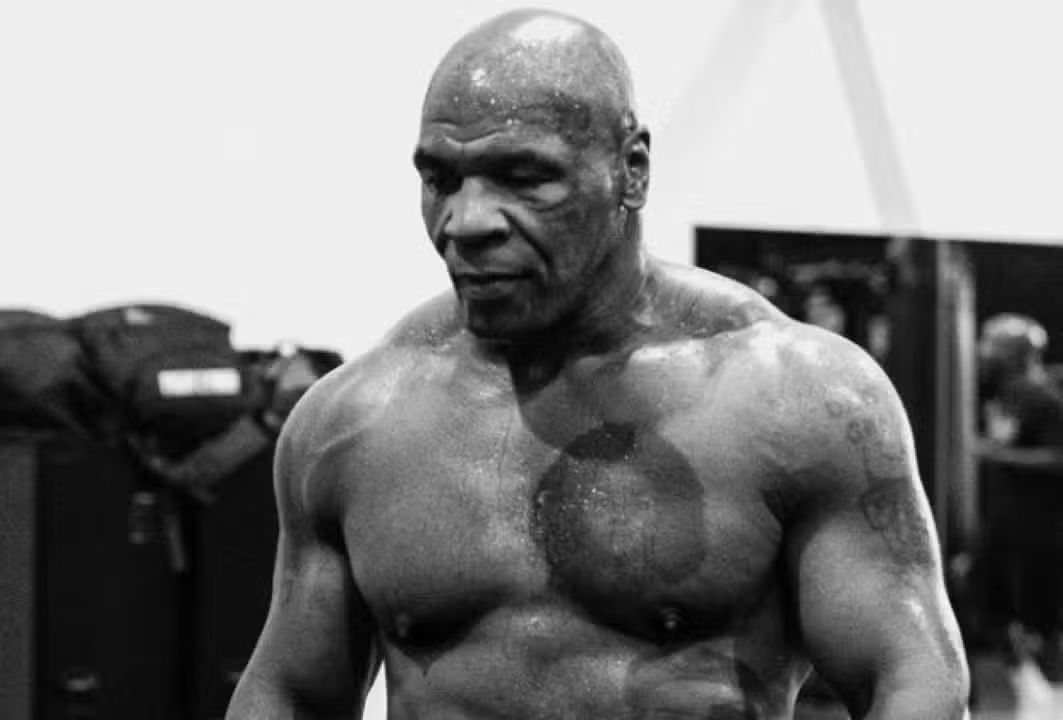
Mike Tyson, famously known as “Iron Mike,” is one of the most iconic figures in boxing history. His career has been marked by remarkable victories, controversies, and significant financial ups and downs. In 2024, Tyson remains a globally recognized name, but his fortune is no longer what it once was during the 1980s and 1990s, when he was among the highest-paid athletes in the world. Although his finances have fluctuated greatly, Tyson has consistently found ways to stay relevant and lucrative. This article delves into his financial journey and how he rebuilt his wealth after facing significant challenges.
The peak of Tyson’s career and fortune
At the height of his career, Mike Tyson amassed one of the largest fortunes in sports history. In the early 1990s, he was considered unbeatable, with unparalleled power in the ring and a magnetic personality outside of it. During this period, Tyson earned up to $30 million per fight, making him one of the highest-paid athletes of his time. Earnings from his victories, combined with endorsement deals and other income streams, helped him accumulate an estimated $300 million by the mid-1990s.
Tyson’s dominance in the ring made him a global celebrity, and lucrative sponsorship contracts further increased his wealth. However, over the years, Tyson began making questionable personal and financial decisions that would eventually lead to the dissipation of his fortune.
The loss and recovery of his fortune
In 2003, after years of poor financial and personal choices, Tyson filed for bankruptcy, reporting debts of approximately $23 million. His lavish lifestyle, which included the purchase of luxurious mansions, expensive cars, and indulgent habits, played a significant role in his financial downfall. Additionally, mismanagement of his earnings compounded the issue, forcing Tyson to sell most of his assets and declare bankruptcy.
Despite his financial struggles, Tyson did not disappear from the public eye. Bankruptcy marked a turning point for him, and over time, he found new ways to generate income. His public appearances and roles in films and television began to yield significant returns. Tyson’s cameo in the movie The Hangover Part II (2011) was pivotal in reshaping his public image and finances. He also ventured into business initiatives, such as starting a podcast and making frequent media appearances.
Tyson’s entrepreneurial spirit extended further, with ventures like Tyson Ranch, a cannabis business that has become a key source of income. This marked a new chapter in his life, where he moved away from professional boxing but continued to generate revenue through his ventures and partnerships.
Mike Tyson’s estimated fortune in 2024
In 2024, Tyson’s fortune is significantly smaller than during his peak, but it remains substantial. His current net worth is estimated to be around $10 to $15 million, equivalent to approximately 50 to 80 million Brazilian reais, depending on currency exchange rates. While this is only a fraction of his past wealth, Tyson has managed to maintain a comfortable lifestyle with luxury properties and investments that continue to generate income.
Tyson Ranch has emerged as a reliable source of revenue, along with media contracts, sponsorships, and exhibition fights. Although no longer in peak physical condition, Tyson’s exhibition matches with former champions or sports celebrities still draw large audiences and generate substantial earnings. His enduring popularity ensures that he is frequently invited to participate in podcasts and talk shows, further boosting his income.
Another significant contributor to his current financial situation is his ability to capitalize on the nostalgia of his career. Tyson’s legendary victories and controversies continue to attract fans, fueling income from exhibition fights and branded merchandise.
Tyson’s main sources of income in 2024
- Cannabis business – Tyson Ranch: Tyson Ranch, his cannabis enterprise, has become one of his most profitable ventures in recent years. With the growing demand for cannabis products and legalization in many regions, the business has shown great promise. The ranch offers products like oils and edibles, as well as hosting events and tourism experiences.
- Exhibition fights: While Tyson has stepped away from professional boxing, he still participates in exhibition matches, taking on former champions or sports celebrities. These events are a lucrative way for him to maintain a presence in the boxing world while earning significant payouts.
- Media and entertainment: Tyson continues to generate income through appearances in films and television shows, along with his presence on podcasts and social media. His popularity on platforms like Instagram also contributes to his earnings through brand partnerships and sponsored posts.
- Licensed products and merchandise: Tyson makes money from selling merchandise associated with his image, including apparel, hats, and other branded items. This helps keep his brand relevant and appeals to his loyal fanbase.
- Public appearances and speaking engagements: Tyson is frequently invited to participate in public events, conferences, and speaking engagements, where he shares his life story and experiences in the boxing world. These appearances are well-compensated and serve as another revenue stream.
How Mike Tyson manages his finances today
After his past mistakes, Tyson has adopted a more cautious approach to his finances. Instead of spending impulsively, he takes an active role in managing his businesses and investments. Tyson has become more strategic by diversifying his income sources and focusing on ventures with long-term potential, such as Tyson Ranch.
He has also surrounded himself with a team of financial advisors to help him make informed decisions. This approach appears to have paid off, as Tyson is now in a more stable financial position. While his wealth doesn’t rival that of other top athletes, he enjoys a comfortable lifestyle without the excesses of his earlier years.
Financial challenges Tyson has faced
Tyson’s financial journey has been marked by numerous challenges. His 2003 bankruptcy was not an isolated incident but the culmination of years of personal and professional mismanagement. His tendency to spend extravagantly, coupled with a lack of financial oversight, led to significant losses.
Legal issues also took a toll on Tyson’s career and finances. His 1992 conviction for rape and subsequent loss of his boxing license during a suspension period had a profound impact on his earning potential. These difficulties, combined with reckless spending, were pivotal in his financial collapse.
Mike Tyson today: A resilient icon
Despite his reduced fortune, Mike Tyson remains an icon. His life story, filled with triumphs and setbacks, illustrates the complexities of fame, wealth, and sports. In 2024, Tyson continues to be a major media presence, and his personal brand remains profitable.
Although Tyson no longer holds the immense wealth he once did, he has successfully rebuilt his life and finances, learning from his past mistakes and reinventing himself. His fortune, while smaller, is a testament to his ability to generate income and remain relevant in the public eye.