The March equinox, an eagerly awaited astronomical event, heralds the official beginning of spring in the Northern Hemisphere, promising longer days and milder temperatures. In 2025, this phenomenon will occur on March 20 at 5:01 a.m. EDT (6:01 a.m. Brasília time), when the Sun crosses the celestial equator, aligning directly over Earth’s equatorial line. At this moment, day and night become nearly equal in duration worldwide, creating a unique balance that captivates scientists, astronomers, and nature enthusiasts alike. In Brazil, where seasons follow the Southern Hemisphere’s calendar, the same event signals the onset of autumn, but the focus here is on the spring transition impacting much of the globe. This milestone not only shifts sunlight patterns but also influences ecosystems, human behavior, and cultural celebrations worldwide. Historical data indicate the equinox can fall on March 19, 20, or 21, depending on the year, but in 2025, the fixed date of March 20 is confirmed, offering predictability for those tracking seasonal changes.
In the Northern Hemisphere, the spring equinox, known as the vernal equinox, derives its name from Latin, meaning “new” or “fresh,” symbolizing nature’s rebirth after winter. During this period, Earth’s tilt relative to the Sun reaches a point where solar rays strike the equator perpendicularly, resulting in roughly 12 hours of daylight and 12 hours of darkness. In the United States, for instance, this date is celebrated as the first day of spring, while in the Southern Hemisphere, such as Brazil, it ushers in cooler, drier weather. This seasonal shift stems from Earth’s elliptical orbit and its 23.5-degree axial tilt, which drive the variation of seasons throughout the year.
Beyond its astronomical significance, there’s an alternative definition of spring: meteorological spring. Unlike the equinox’s fixed date, it begins on March 1 in the Northern Hemisphere, based on temperature cycles rather than Earth’s position relative to the Sun. This approach, used by climate scientists, simplifies the analysis of weather patterns and seasonal statistics, spanning March, April, and May. Thus, while March 20 marks the official astronomical start for astronomers, many meteorologists already consider early March the transition to warmer weather.
What happens during the spring equinox
The March equinox occurs as the Sun crosses the celestial equator from south to north, an event that defines the near equality of day and night. This balance, however, isn’t exact due to atmospheric refraction, which makes sunlight visible a few minutes before sunrise and after sunset, slightly extending daylight. In 2025, this phenomenon will be observable in real-time at 6:01 a.m. Brasília time, though its effects linger for days, with daylight gradually increasing in the Northern Hemisphere. Following the equinox, days continue to lengthen until the summer solstice in June, when they reach their peak.
In the Northern Hemisphere, spring awakens nature, with flowers blooming, animals emerging from hibernation, and temperatures rising steadily. In the United States, the event signals the end of winter, a season often marked by intense cold and snowstorms across various regions. Conversely, in the Southern Hemisphere, the same equinox initiates autumn, bringing changes like falling leaves and reduced humidity in countries like Brazil. This seasonal contrast between hemispheres results directly from Earth’s axial tilt, alternating solar exposure throughout the year.
Meteorological spring versus astronomical spring
Distinguishing between astronomical and meteorological spring is key to understanding how seasons are perceived. Astronomical spring begins with the equinox on March 20, 2025, determined by Earth’s position in its orbit around the Sun. Meanwhile, meteorological spring, starting March 1, is a convention adopted by scientists to align seasons with annual temperature cycles, aiding consistent climate comparisons across years. In the United States, this distinction sparks debate, as the meteorological marker supports reliable forecasts, while the equinox carries deeper cultural and astronomical weight.
How the equinox affects nature and humans
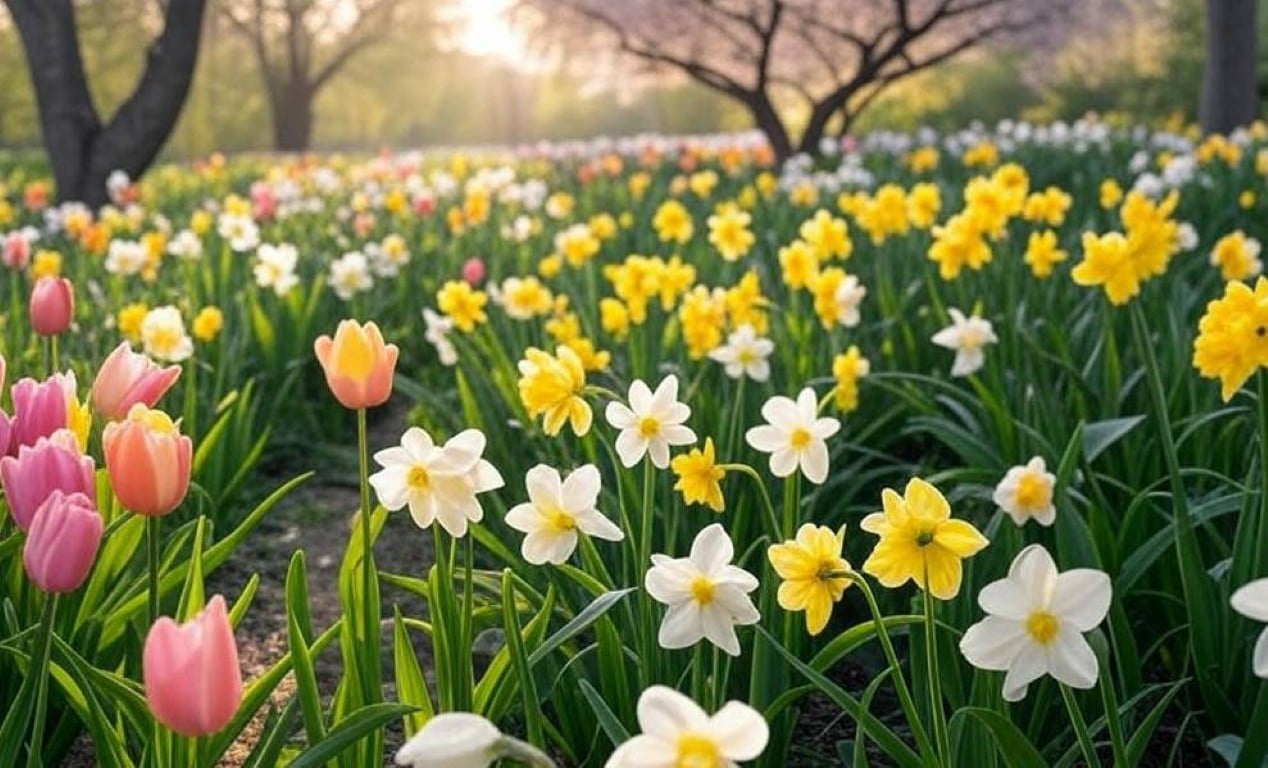
The arrival of the spring equinox in the Northern Hemisphere triggers widespread natural and social transformations. Ecosystems respond swiftly to increased sunlight, with plants ramping up photosynthesis and insects like bees intensifying pollination efforts. In the United States, the date aligns with the start of planting season in many agricultural areas, while migratory birds return from winter retreats. This natural revival is evident in blooming flowers like tulips and daffodils, which brighten landscapes after months of dormancy.
Humans also adapt to the equinox, adjusting routines to longer daylight hours. In Northern Hemisphere countries like the United States, daylight saving time, starting March 9, 2025, further extends afternoon light, boosting outdoor activities and commerce. Culturally, the event is celebrated in traditions like Nowruz, the Persian New Year, and pagan festivals honoring Earth’s fertility. In Brazil, though the equinox marks autumn, it’s observed by astronomers and enthusiasts tracking celestial movements.
Fascinating facts about the March equinox
Exploring the equinox uncovers intriguing details linking astronomy, culture, and nature. Here are some highlights:
- The Sun rises exactly due east and sets due west everywhere on Earth during the equinox, except at the poles.
- The equinox date shifts due to the tropical year (365.24 days), adjusted by the Gregorian calendar’s leap years.
- In the Northern Hemisphere, auroras become more frequent near the equinox due to interactions between solar and terrestrial magnetic fields.
- At Chichén Itzá in Mexico, shadows form a serpent descending the Kukulcán pyramid during the equinox, drawing thousands of visitors.
These aspects underscore how the equinox transcends science, shaping myths and traditions throughout history.
Seasonal timeline for 2025
Understanding the 2025 seasonal calendar provides context for the March equinox. Key milestones in the Northern Hemisphere include:
- March 1: Start of meteorological spring, based on temperature cycles.
- March 20: Spring equinox, the astronomical beginning of the season.
- June 20: Summer solstice, marking the longest day of the year.
In the Southern Hemisphere, the March 20 equinox begins autumn, with spring starting September 22 during the austral equinox.
Global impacts of increasing daylight
The gradual lengthening of days after the March equinox reshapes daily life in the Northern Hemisphere. In the United States, daylight increases by about 2 to 3 minutes daily in the following weeks, varying by latitude. In places like Massachusetts, where winter brings long, cold nights, spring renews public enthusiasm, spurring outdoor activities and tourism in national parks. Climate data suggest average temperatures rise by 5°C to 10°C in the subsequent months, depending on the region, boosting agriculture and local economies.
In the Southern Hemisphere, the equinox ushers in shorter days and longer nights, with opposite effects. In Brazil, autumn reduces humidity in areas like the Southeast and Midwest, while the North retains tropical patterns. This seasonal duality reflects global climate complexity, driven by Earth’s orbit and axial tilt.
Traditions and celebrations worldwide
Spring equinox celebrations in the Northern Hemisphere date back millennia. In Japan, Vernal Equinox Day is a national holiday dedicated to visiting family graves and honoring ancestors. In Europe, pagan festivals like Ostara celebrate fertility with symbols like eggs and rabbits, later influencing Christian Easter. In the United States, the date inspires community events and the opening of public gardens, signaling the end of harsh winter.
In Brazil, though the equinox marks autumn, astronomers and educators use it to promote sky-watching activities. In tropical nations, changes are subtler, but the event retains scientific and cultural significance, uniting people across hemispheres through a shared celestial phenomenon.