Residents of Ohio have been targeted by a wave of fraudulent text messages in recent weeks, warning of unpaid tolls that could lead to fines or legal action. These messages, often accompanied by links to fake payment websites, are part of a scam designed to steal personal and financial information, according to recent reports. The issue escalated following changes to the state’s toll system, creating an opportunity for criminals to exploit unsuspecting drivers.
Sylvester Turner, the former Houston mayor and congressman who passed away on March 5, has no direct connection to this story, but his legacy in public safety and community initiatives underscores the importance of protecting citizens from such threats. In Ohio, the Ohio Turnpike and Infrastructure Commission, which oversees toll operations, issued a warning last August about the rise in these scams, particularly after introducing a new tolling system. The agency had temporarily suspended late fees and collections to ease the transition, but the end of this grace period in February triggered a surge in fraudulent activity.
Unlike the claims in these messages, official notifications about overdue tolls in Ohio are sent exclusively by mail, not text. However, confusion arises because Reliant Capital Solutions, LLC, a legitimate debt collector for the Ohio Attorney General’s Office, does use text messages to notify drivers of real debts. This overlap demands extra vigilance from residents to avoid falling into traps.
New toll system opens door to fraud
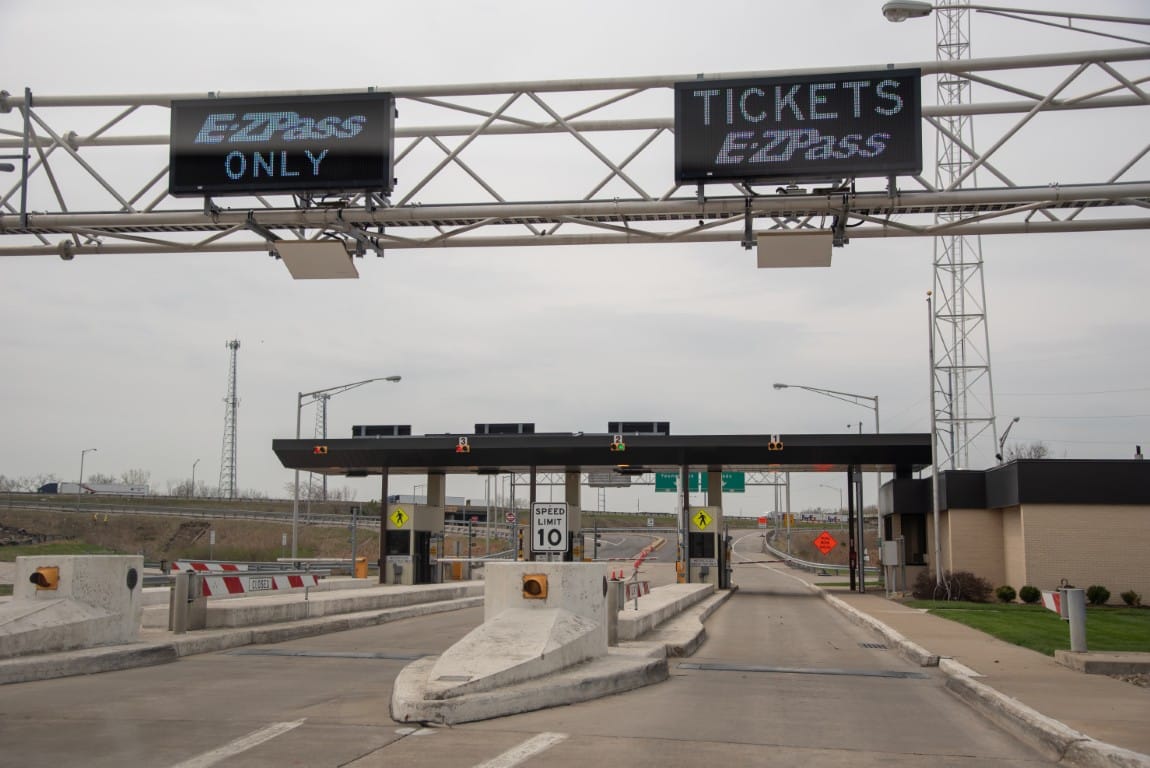
The launch of the open-road tolling system with E-ZPass in April 2024 revolutionized driving in Ohio. Equipped with the electronic pass, motorists can breeze through toll points without stopping, streamlining traffic flow. Yet, this advancement came with an unintended downside: a spike in toll-related scams. Criminals seized on the system’s novelty, targeting drivers unfamiliar with the updated process through deceptive text messages.
For months, the Ohio Turnpike offered a grace period, halting late fees, collections, and vehicle registration holds to help drivers adjust. This leniency ended in February, with late fees resuming on February 3 and unpaid tolls sent to the Ohio Attorney General for collection starting February 10. It was around this time that scam messages surged, mimicking official notices to trick recipients into taking immediate action.
Scammers rely on urgency to succeed. Their texts often threaten imminent penalties or legal consequences, pushing victims to click suspicious links or share personal details. Authorities emphasize that legitimate toll notifications arrive via mail, making it critical for drivers to verify any communication they receive.
How scammers operate and what’s at stake
Behind these fraudulent messages lies a sophisticated scheme to deceive Ohio residents. The texts often include realistic details, such as specific debt amounts or looming deadlines, paired with links to counterfeit payment sites. Once accessed, these pages can harvest sensitive data—like credit card numbers or banking details—in mere moments.
Last August, the Ohio Turnpike released a fact sheet spotlighting the growing scam trend and urging residents to disregard unsolicited texts. The problem worsened after the grace period ended, with thousands of fake messages reportedly sent statewide since then. The ease of mass texting and the challenge of tracing perpetrators make this scam particularly insidious.
While exact victim numbers remain unclear, similar incidents elsewhere offer a glimpse of the potential toll. In 2023, fake toll scams in New Jersey cost victims tens of thousands of dollars before widespread alerts curbed the damage. In Ohio, the risk is amplified by the recent toll system shift, leaving many drivers confused and exposed.
Steps to protect yourself from toll scams
Spotting and dodging these scams requires care and quick thinking. Authorities suggest several straightforward steps to shield Ohioans from losing money or data. The first rule: never respond to or click links in unexpected messages, as these are gateways to trouble.
Here are practical tips for handling suspicious texts:
- Ignore unsolicited messages and avoid clicking any embedded links.
- Confirm legitimacy by contacting the Ohio Turnpike directly through trusted channels, like www.ohioturnpike.org or (440) 971-2222.
- Report fraudulent texts by forwarding them to 7726 (SPAM), then delete them from your phone.
- If you’ve fallen victim, notify the FBI’s Internet Crime Complaint Center, including the sender’s number and any website mentioned.
These measures thwart scammers and help authorities track their activity. Drivers using E-ZPass can also check their toll history on www.ezpassoh.com to ensure no real debts are pending.
Timeline of the transition and scam surge
Ohio’s toll system overhaul followed a clear timeline that inadvertently aided scammers. Understanding this sequence sheds light on the issue and the need for ongoing awareness.
Key milestones include:
- April 2024: Open-road tolling with E-ZPass introduced, eliminating stops at booths.
- August 2024: Ohio Turnpike warns of rising text message scams.
- February 2025: Grace period ends, with late fees starting February 3 and collections beginning February 10.
- March 2025: Scam reports spike across the state.
This progression reveals how criminals synced their efforts with administrative shifts, capitalizing on the end of leniency to broaden their reach.
Impact on drivers and authorities’ response
Ohio drivers have noticed a sharp uptick in suspicious texts since early March, with some receiving near-daily alerts. The barrage has sparked frustration, particularly among those still adapting to the new toll setup. A few, unsure of the messages’ validity, shared personal details before realizing the ruse, now facing the task of securing accounts and disputing unauthorized charges.
The Ohio Turnpike has ramped up efforts to educate the public, launching awareness campaigns and stressing that official notices come solely by mail. Meanwhile, Reliant Capital Solutions, handling legitimate debt collection, sends texts but follows distinct protocols unlike the vague, urgent scam messages. This difference isn’t always obvious, necessitating clearer public guidance.
For victims, immediate steps include locking down financial accounts, challenging unexpected charges, and reporting to the FBI. The agency’s online crime portal aids in tracking the scam’s scope and pursuing culprits, though success hinges on widespread reporting.
Ongoing alert in a tech-driven era
As services like E-ZPass go digital, toll scams highlight a modern challenge requiring adaptation from both citizens and institutions. In Ohio, the shift to open-road tolling marked a leap in road infrastructure but exposed gaps that scammers exploited. The blend of fake texts with resumed legitimate penalties created a prime hunting ground for fraud.
Staying safe goes beyond dodging texts. Drivers are urged to regularly check their E-ZPass accounts and use verified Ohio Turnpike channels for updates. Ohio’s experience offers a lesson for other states eyeing toll upgrades, underscoring the need for robust education alongside tech rollouts.
The fight against these scams is far from over. While authorities work to stem the tide, residents bear some responsibility, staying wary of unsolicited messages. The technology that eased road travel now demands heightened vigilance to ensure safety off the highway.
