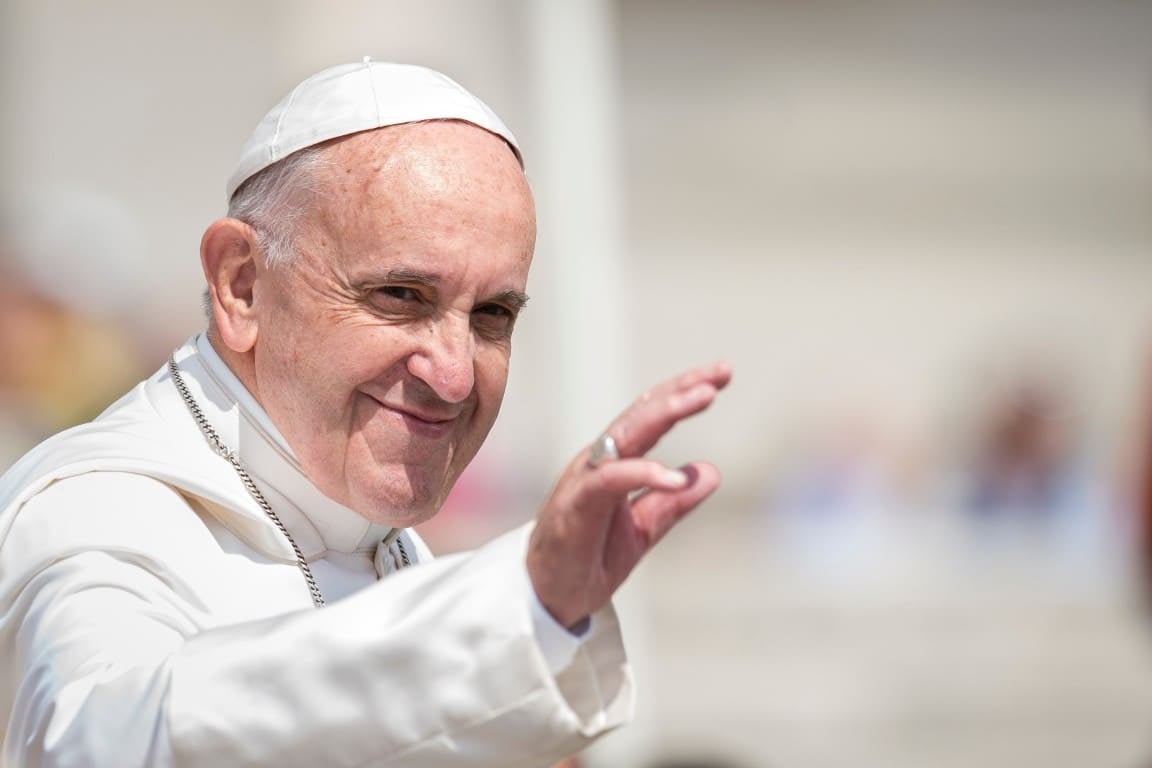
Pope Francis, at 88 years old, reached his twentieth day at Rome’s Gemelli Hospital on Wednesday, March 5, 2025, battling bilateral pneumonia that has kept the world on edge since his admission on February 14. The Vatican reported that the pontiff experienced no episodes of respiratory failure throughout the day, a positive sign following two acute crises on the previous Monday that required immediate medical intervention. Despite the severity of his condition, Francis continues high-flow oxygen therapy during the day and noninvasive mechanical ventilation at night, while intensifying respiratory physiotherapy and active motor exercises. This clinical stability, coupled with the absence of new respiratory complications, brings relief to the faithful tracking daily updates on his health. However, his prognosis remains cautious due to the complexity of the illness and his advanced age as the leader of the Catholic Church.
His extended hospital stay began with an initial bronchitis diagnosis, which progressed into a severe respiratory infection, eventually revealing pneumonia in both lungs. Over these 20 days, Francis has shown resilience, staying alert and engaging in activities such as receiving the Ash Wednesday blessing in his hospital room and partaking in the Eucharist. On Wednesday morning, he also made a call to Father Gabriel Romanelli, parish priest of the Holy Family in Gaza, reflecting his resolve to stay connected to Church matters despite intensive care. His day alternated between rest and work, with the pope waking shortly after 8 a.m. after a restful night, as noted by the Holy See Press Office.
The Pope’s absence from traditional Ash Wednesday celebrations, with Cardinal Angelo De Donatis stepping in for him in Rome, marks a significant moment in the liturgical calendar, ushering in Lent—a 40-day period of prayer and penance leading to Easter. As faithful gather in vigils outside Gemelli, leaving flowers and messages of support near the statue of St. John Paul II, Francis’s health remains under close watch by a medical team adjusting therapies to manage respiratory challenges and related conditions, such as a mild renal insufficiency now stabilized.
As #cinzas nos lembram quem somos. Isso nos faz bem. Ela nos redimensiona, corta a dureza de nossos narcisismos, nos traz de volta à realidade, nos torna mais humildes e disponíveis uns para com os outros: nenhum de nós é Deus, estamos todos em caminho.https://t.co/HJpGKiXZd4
— Papa Francisco (@Pontifex_pt) March 5, 2025
Stability defines twentieth day in hospital
Francis spent his twentieth night at Gemelli without further respiratory scares, a step forward from the crises earlier in the week. High-flow oxygen therapy, delivered via nasal cannulas, was maintained throughout the day, while noninvasive mechanical ventilation with a high-pressure mask resumed at night as part of the treatment plan. These measures have stabilized his respiratory parameters, preventing bronchospasm or severe insufficiency episodes that had necessitated bronchoscopies to clear mucus on Monday.
The medical team ramped up respiratory physiotherapy, employing techniques to enhance breathing and remove pulmonary secretions, while active motor therapy indicates efforts to preserve his mobility despite being confined to an armchair. He marked the start of Lent by receiving ashes in a modified ritual in his room, showcasing his commitment to spiritual duties amid physical constraints.
Health history challenges the pontiff
Pope Francis faces this hospitalization with a backdrop of respiratory issues dating back to his youth, when part of a lung was removed due to severe pneumonia. In recent years, conditions like diverticulitis and an abdominal hernia led to surgeries in 2021 and 2023, while sciatica and knee pain have confined him to a wheelchair or cane. The current bilateral pneumonia, diagnosed after a polymicrobial respiratory infection, stands as one of the gravest challenges of his papacy, which began in 2013.
Bilateral pneumonia demands intensive care
Francis’s condition requires intricate treatment due to bilateral pneumonia affecting both lungs and complicating oxygenation. Following Monday’s respiratory failure episodes, he underwent bronchoscopies to clear mucus buildup, resuming noninvasive ventilation at night. By Tuesday, a temporary shift from the ventilatory mask to nasal oxygen signaled slight improvement, solidified on Wednesday with no new crises. Respiratory physiotherapy, paired with oxygen therapy, has been vital in stabilizing his breathing, while motor exercises help prevent secondary complications.
Even with this progress, his state remains fragile. Recent lab tests revealed an initial mild renal insufficiency, now managed, and a stabilized platelet count following blood transfusions on the prior Saturday. The medical team adopts a cautious approach, fine-tuning therapies to combat the infection and its associated issues.
Timeline tracks Francis’s hospital journey
Francis’s time at Gemelli reflects an ongoing struggle with respiratory woes:
- February 14: Admitted with bronchitis after weeks of respiratory symptoms.
- February 18: Bilateral pneumonia confirmed via CT scan.
- February 22: Respiratory crisis requires high-flow oxygen and blood transfusions.
- March 3: Two respiratory failure episodes treated with bronchoscopies.
- March 5: Marks 20 days in hospital with no new crises, condition stable.
This timeline underscores the ups and downs of his recovery, with critical moments overcome by swift interventions and gradual stabilization.
Cardinal steps in for Lent’s start
With Francis hospitalized, Cardinal Angelo De Donatis took over the Ash Wednesday celebrations in Rome, initiating Lent without the pope’s physical presence at the traditional Mass. Announced the previous week, this substitution highlights the severity of his condition and his inability to lead liturgical events. De Donatis, the Major Penitentiary and papal delegate, presided over the ceremony while Francis received ashes in his tenth-floor hospital room, an adaptation ensuring his symbolic involvement in the rite.
Lent, a 40-day journey culminating in Holy Week and Easter, is a cornerstone of the Christian calendar, and Francis’s absence from public celebrations amplifies concerns about his health. Yet, he remains engaged in small acts, like his call to the Gaza priest, demonstrating his dedication to the global Church from his hospital bed.
Faithful rally in support of the pope
Outside Gemelli, the statue of St. John Paul II has become a pilgrimage site, adorned with flowers, candles, and messages from the faithful. Children’s drawings bearing “Get well soon, Pope Francis” mingle with rosaries and prayers, as nuns and laypeople hold daily vigils. This outpouring reflects global affection for the Argentine pontiff, the first from Latin America, who has led the Church since 2013 with a message of humility and closeness to the marginalized.
The steady presence of supporters at the hospital echoes gestures seen during past hospitalizations of Francis and John Paul II, who also endured extended stays at Gemelli. Solidarity extends beyond Rome, with Christian leaders like Ecumenical Patriarch Bartholomew of Constantinople joining in prayers for his recovery.
Resilience shines through Francis’s ordeal
Despite 20 days in the hospital, Francis maintains a routine blending rest and work, showcasing his resilience. He spent the day in an armchair, participated in religious rituals, and resumed tasks like the Gaza call, interspersed with rest periods. The stability of his vital signs—heart, kidneys, and blood counts—offers hope, though his ongoing need for oxygen and ventilation underscores his frailty.
His health history, marked by surgeries and chronic conditions, makes this pneumonia a formidable test. Remaining alert and cooperative under intensive care impresses his medical team, who note his unyielding spirit—a trait mirroring his nearly 12-year papacy defined by perseverance and faith.
