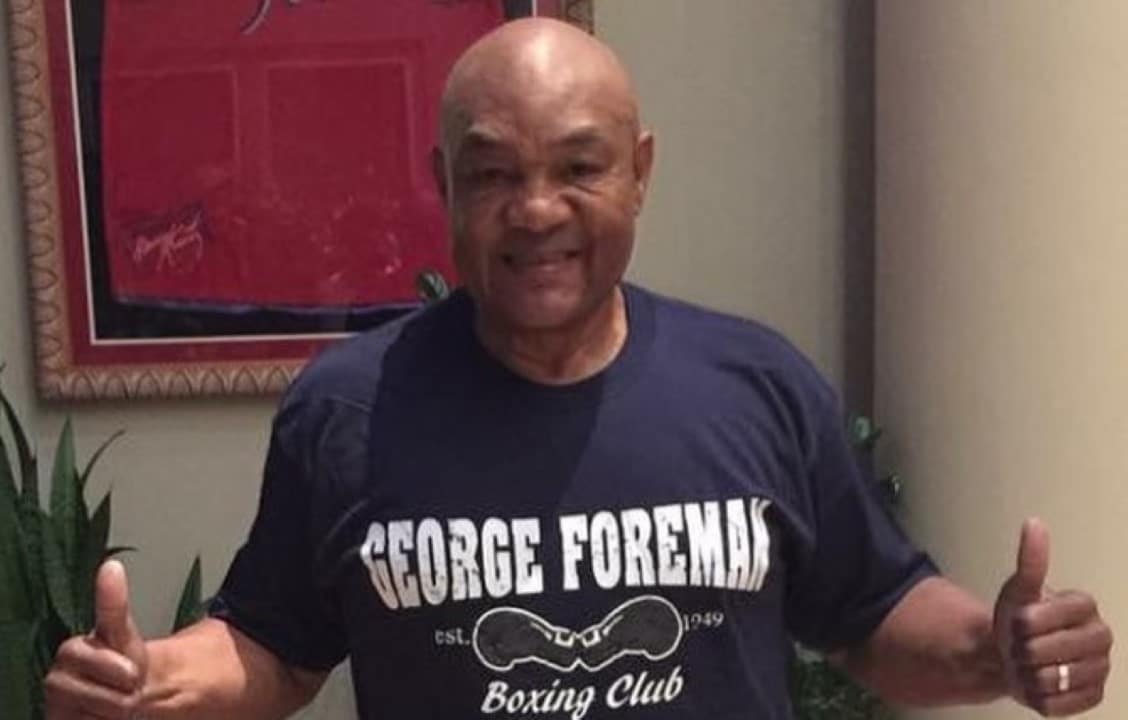
On the evening of March 21, 2025, the boxing world lost one of its most iconic figures: George Foreman passed away at 76, as announced by his family on social media. Known as “Big George,” he made history as a two-time heavyweight world champion and 1968 Olympic gold medalist, earning a place in the Hall of Fame as one of the sport’s greatest names. His journey, filled with triumphs and unexpected turns, turned him into a symbol of resilience and versatility both inside and outside the ring. The cause of death has not been disclosed at this time, but the news sent shockwaves through fans and sports personalities worldwide.
Foreman is forever remembered for moments like the legendary “Rumble in the Jungle” against Muhammad Ali in 1974, held in Zaire, where he was knocked out in the eighth round in a fight that transcended boxing. Widely regarded as one of the most famous bouts in history, it was immortalized in the Oscar-winning documentary “When We Were Kings.” Beyond that, his return to the ring after a decade away and his recapture of the world title at age 45 in 1994 against Michael Moorer cemented his reputation as the architect of one of the most remarkable comebacks in sports history.
Outside the ring, Foreman also shone as an entrepreneur and media personality. In 1994, he launched the grill bearing his name, a commercial juggernaut that sold over 100 million units worldwide, netting him $138 million when he sold the rights in 1999. His 12-year stint as a boxing analyst for HBO alongside Jim Lampley kept him tied to the sport that made him famous, a role he stepped away from in 2004. Foreman’s death leaves a void not just in boxing but in every field he touched with his charisma and determination.
Journey of a titan in the ring
George Foreman’s career began to take shape in 1968 when, at 19, he won Olympic gold in Mexico City, waving the American flag on the podium in a striking gesture. In the years that followed, he turned pro and quickly rose through the ranks, claiming the heavyweight world title for the first time in 1973 by knocking out Joe Frazier in the second round. That victory thrust him into the spotlight as one of the most feared fighters of his era, known for his devastating power and aggressive style.
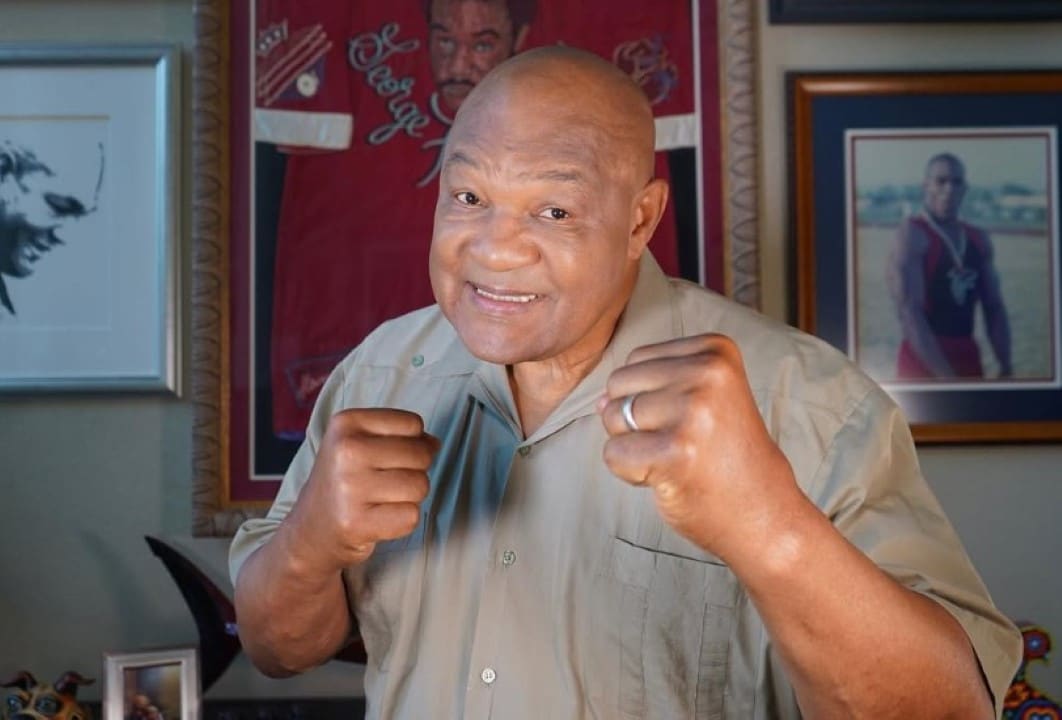
After losing to Ali in 1974, Foreman pressed on, racking up impressive wins like a fifth-round knockout of Ron Lyle in 1976, a memorable slugfest. Yet, at 28, in 1977, he stunned the world by retiring after a loss to Jimmy Young. For the next decade, he devoted himself to life as an ordained minister in Texas, stepping away from boxing entirely. That period of reflection, however, was not the end of his story in the sport but rather the prelude to an epic return.
Foreman’s comeback in 1987, at age 38, was initially met with skepticism. He started with easy knockout wins, such as a second-round stoppage of Gerry Cooney in 1990. Then, in 1991, he proved his resurgence was legitimate by taking Evander Holyfield the distance in a classic heavyweight title fight at 42, though he didn’t win. Three years later, in 1994, Foreman achieved the unthinkable: with a precise two-punch combination, he floored Michael Moorer and became, at 45 years and 299 days, the oldest heavyweight world champion in history—a record that stood for two decades.
Achievements beyond the sport
Beyond his exploits in the ring, George Foreman built a legacy that extends far past boxing. His grill, launched the same year he reclaimed the world title, revolutionized the home appliance market. Initially promoted by Foreman himself in ad campaigns, it became a global phenomenon, with over 100 million units sold across multiple countries. In 1999, selling the commercial rights for $138 million solidified his image as a savvy entrepreneur, proving his knack for turning fame into lucrative business.
Foreman also made his mark as a sports analyst. For 12 years, from 1992 to 2004, he was part of HBO’s team, calling fights alongside Jim Lampley with a relaxed style full of personal anecdotes. His presence on the broadcasts brought levity and depth, winning over both longtime fans and a new generation of boxing enthusiasts. The Ring magazine ranked him as the ninth greatest puncher ever and, in 2002, listed him among the top 25 fighters of the past 80 years, underscoring his lasting impact on the sport.
Another notable facet of his life was his versatility. Before retiring for good in 1997, after a majority decision loss to Shannon Briggs, Foreman had already established himself as a charismatic public figure. He wrote books, appeared on TV shows, and maintained a close connection to his Texas community, where he served as a pastor. His passing, announced by his family, sparked emotional reactions, like that of Top Rank president Bob Arum, who described him as a cherished friend and an irreplaceable loss to the sport and his loved ones.
Defining moments of Foreman’s career
George Foreman lived a career packed with highs and lows that shaped his legend. Here are some of the most iconic episodes from his time in the ring:
- 1968 Olympic gold: At 19, he defeated Soviet fighter Ionas Chepulis in the final, waving the American flag on the podium in a moment of powerful symbolism.
- First world title: In 1973, he knocked out Joe Frazier in just two rounds, seizing the heavyweight belt with a commanding performance.
- Rumble in the Jungle: His 1974 loss to Muhammad Ali in Zaire became a historic milestone, watched by millions and captured in an acclaimed documentary.
- Historic comeback: In 1994, at 45, he toppled Michael Moorer to reclaim the world title, shattering age records in boxing.
These achievements highlight how Foreman blended raw power, determination, and a unique ability to reinvent himself, keeping him relevant across decades.
Timeline of a legendary life
Foreman’s life can be traced through milestones that showcase his evolution as an athlete and public figure. Here are the key events that defined his story:
- 1968: Wins Olympic gold in Mexico City.
- 1973: Becomes heavyweight world champion by defeating Joe Frazier.
- 1974: Loses the title to Muhammad Ali in the “Rumble in the Jungle.”
- 1977: Announces retirement and begins a career as a minister in Texas.
- 1987: Returns to boxing at age 38.
- 1994: Reclaims the world title against Michael Moorer at 45.
- 1997: Ends his career after a fight with Shannon Briggs.
- 1999: Sells the rights to the Foreman Grill for $138 million.
- 2004: Steps down as an HBO analyst after 12 years.
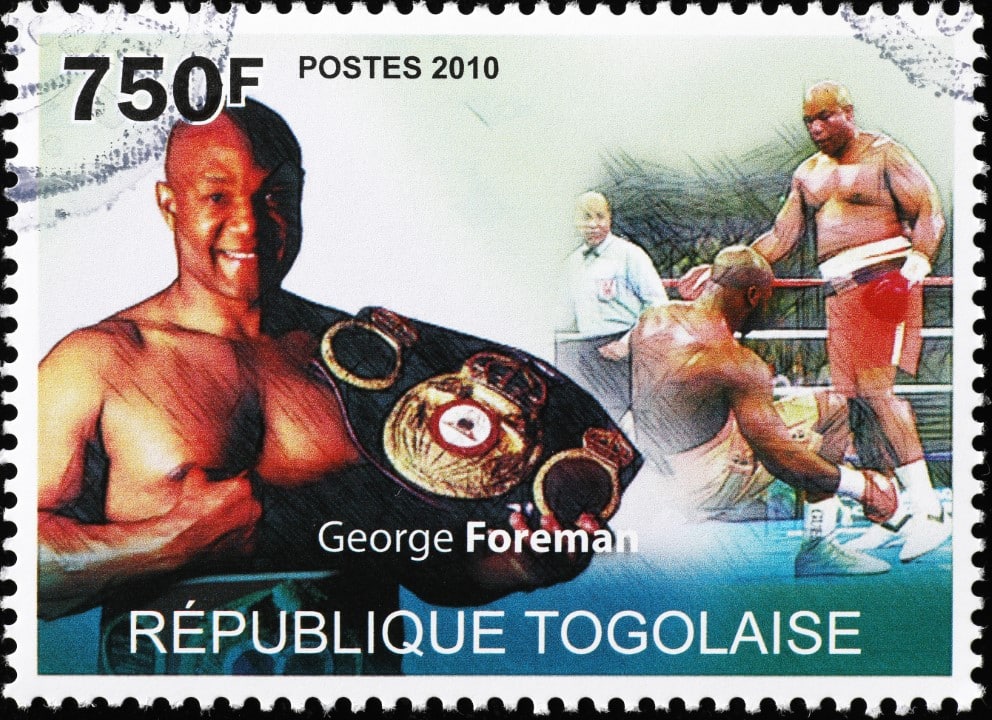
This timeline reflects a journey of constant reinvention, reaching far beyond the sport and influencing multiple arenas.
Legacy of strength and inspiration
George Foreman’s death at 76 closes the chapter on a man who defied expectations in countless ways. In the ring, he amassed 76 wins in 81 fights, 68 by knockout, numbers that showcase his sheer power as a fighter. His ability to return to the top of boxing after a decade away, facing younger, peak-condition opponents like Evander Holyfield and Michael Moorer, stands as a testament to his physical and mental toughness—a rare feat in the sport.
Outside the ring, Foreman became a model of success across different fields. The grill bearing his name wasn’t just a product but a cultural phenomenon that changed how millions cook at home. His shift from athlete to entrepreneur and commentator showed he could leverage his fame shrewdly, staying relevant long after hanging up his gloves. In Texas, where he served as a pastor, he also left a community impact, supporting people through his church and local efforts.
The farewell to Foreman was marked by tributes from figures like Bob Arum of Top Rank, who emphasized his unique personality and the void left by his departure. Whether as the young Olympic medalist, the fearsome heavyweight champ, or the affable businessman, George Foreman crafted a legacy that will continue to inspire generations in boxing and beyond.
