Polar vortex collapse set to bring record cold to North America in March
North America braces for a severe weather event that could make March one of the coldest periods in recent memory. A new polar vortex collapse, expected mid-month, is poised to unleash Arctic air masses across the United States and Canada, delivering temperatures below -30°C in some areas, intense blizzards, and biting winds. This phenomenon, the second of 2025, strikes at an unexpected time when winter should be waning, surpassing the February collapse that impacted over 150 million people with record lows and widespread disruptions. Driven by a sudden stratospheric warming, this event challenges infrastructure and the resilience of communities unprepared for such late-season severity.
Meteorologists warn that cities like Chicago, Minneapolis, Toronto, and Winnipeg are on the front lines, with projected drops of up to 15°C below seasonal averages. The event exposes vulnerabilities in urban and rural regions, testing everything from power grids to public and highway transportation. In the U.S., the Midwest and Northeast are still reeling from the prior collapse, while in Canada, provinces like Ontario and Manitoba ramp up preventive measures to avoid shutdowns.
Authorities are mobilizing resources to minimize damage, and residents are rushing to stockpile essential supplies. The event reignites discussions about growing climate instability in the Northern Hemisphere, potentially tied to Arctic warming, which appears to be altering atmospheric patterns with increasing frequency.
How the polar vortex triggers climate chaos
The polar vortex is a critical atmospheric structure for the Northern Hemisphere’s climate balance. Located in the stratosphere, about 30 kilometers above Earth, it consists of a swirling mass of cold, low-pressure air encircling the Arctic, held in place by winds that can exceed 250 km/h. During winter, from November to March, this natural barrier prevents frigid air from spilling into lower latitudes, ensuring stable temperatures in regions like the U.S. and southern Canada. However, when disrupted, the effects are swift and severe, leading to extreme cold snaps and unpredictable conditions.
The key to this collapse lies in sudden stratospheric warming, a phenomenon where stratospheric temperatures surge by up to 50°C in mere days. This shift destabilizes the vortex’s winds, which typically blow west to east, sometimes even reversing their direction. As a result, the polar jet stream, located in the troposphere between 8 and 11 kilometers up, begins to wobble, allowing Arctic air to flood southward. In 2025, two such events within months raise suspicions that global warming, particularly in the Arctic, may be weakening the vortex’s ability to confine cold air.
In the U.S., February’s collapse showcased this destructive power, with over 2,300 flights canceled and 190,000 people left without power. Now, with even harsher forecasts for March, experts closely monitor atmospheric conditions, fearing the event could linger for weeks.
Cities on high alert as temperatures plummet
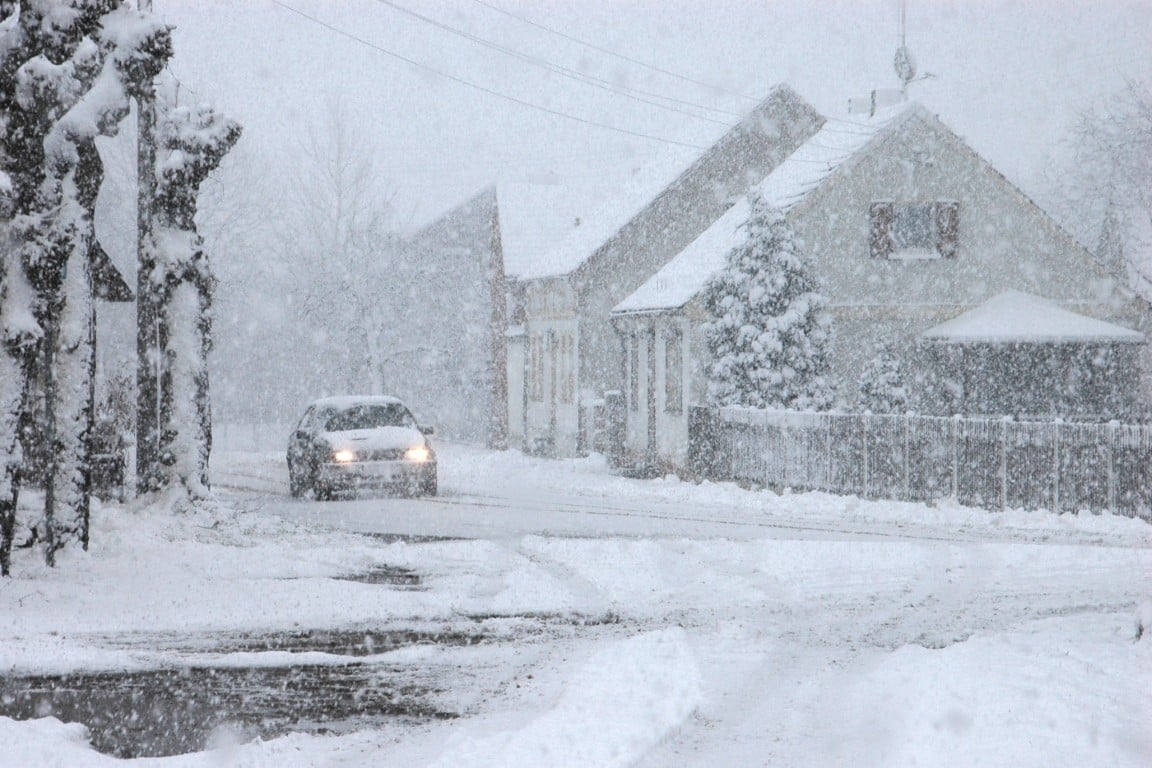
Ahead of the looming collapse, multiple North American regions prepare for significant impacts. In the United States, the Midwest faces the risk of temperatures plunging to -34°C in Chicago and -30°C in Minneapolis, levels rivaling the harshest winter days. The Northeast, including New York and Boston, could see lows of -20°C, coupled with blizzards and freezing rain from Arctic air clashing with Atlantic moisture.
In Canada, Ontario and Manitoba provinces are among the hardest hit, with Toronto projecting -25°C and Winnipeg nearing -42°C. These extreme conditions, worsened by strong winds, threaten urban and rural mobility, with snow accumulations potentially reaching 50 centimeters near the Great Lakes.
- Chicago: forecast low of -34°C, with winds amplifying wind chill.
- Toronto: -25°C and blizzards that could halt transportation.
- Winnipeg: down to -42°C, with hypothermia warnings for remote areas.
- New York: -20°C and freezing rain endangering infrastructure.
What to expect from March’s extreme weather
The intensity of the March polar vortex collapse is set to transform a month linked to spring’s onset into a period of peak winter conditions. In the U.S., the Midwest and Northeast, still shaken from February, anticipate challenges like air and road travel disruptions, with airports like Chicago O’Hare and interstate highways at risk of shutdowns. Energy demand is expected to hit historic highs, straining power grids already taxed earlier this year.
In Canada, Ontario and Quebec foresee heavy snowfalls that could pile up to 30 centimeters in urban zones, while Manitoba and Alberta grapple with rural communities cut off by road blockages. The U.S. East Coast, from Massachusetts to the Carolinas, is also on alert for freezing rain that could damage power lines and snarl traffic on bridges and overpasses.
This scenario mirrors a pattern of climate instability intensifying since 2010. Research suggests Arctic warming, which narrows the temperature gap between the pole and mid-latitudes, may be driving the rising frequency of these collapses, making events like March’s less rare than in decades past.
Timeline of polar vortex collapses in 2025
The year 2025 stands out as a benchmark for climate volatility in North America, with two major polar vortex collapses in mere months. Here’s a rundown of key events so far:
- February: the first collapse unleashes Arctic air, hitting the central and eastern U.S. with historic lows and blizzards piling up to 30 cm in Boston.
- March: the second collapse, slated for mid-month, promises greater reach and severity across the U.S. and Canada.
- Ongoing monitoring: scientists track signs of potential additional events before winter officially ends in April.
February’s episode affected over 150 million people, with Detroit facing traffic gridlock and Alberta dealing with snowbound rural communities. March’s forecast suggests an even broader scope, potentially reshaping seasonal transition patterns.
Intense preparations against overwhelming cold
With March’s collapse nearing, governments and citizens act swiftly to mitigate impacts. In the U.S., Midwest cities like Minneapolis bolster road salt reserves and inspect public heating systems. In the Northeast, New York and Boston deploy emergency crews to handle power outages, a recurring issue from February’s ordeal.
In Canada, Ontario expands heated shelters to protect vulnerable populations, while Manitoba issues early hypothermia alerts for remote areas. Demand for portable heaters and thermal insulation has spiked in Toronto and Chicago, where residents learned from February’s chaos to stockpile essentials.
Local weather services urge avoiding unnecessary travel and maintaining stocks of food and blankets, especially in regions where effects could linger for days or weeks, depending on jet stream recovery.
Striking facts about the polar vortex
Understanding the polar vortex is vital to grasping the extreme weather events hitting North America. Check out these key details:
- Altitude: located in the stratosphere, between 10 and 50 kilometers above Earth.
- Speed: winds can exceed 250 km/h under normal conditions.
- Impact: temperature drops of 10°C to 15°C below average in affected areas.
- Frequency: since 2010, collapses have grown more common, with 2025 logging two by March.
These traits underscore the vortex’s power and fragility, where disruption can drastically alter climate across vast Northern Hemisphere regions.
Emergency response to avert bigger breakdowns
Local authorities in the U.S. and Canada roll out robust measures to tackle the extreme cold. In Chicago, crews focus on power line maintenance to prevent blackouts, while Toronto adapts public transit for harsh conditions. Both nations open heated shelters to safeguard the vulnerable, a priority after February’s challenges.
The prior collapse saw over 2,300 U.S. flight cancellations and left 190,000 without electricity. Now, airports like Minneapolis-Saint Paul enhance de-icing operations, and Manitoba highways undergo preemptive checks to avoid snow blockages. These steps aim to lessen impacts on transportation, energy, and public health.
Past lessons guide present action
February’s event delivered critical lessons shaping March’s response. In the U.S. Midwest, blackouts exposed power grid weaknesses, while Alberta’s blizzards isolated rural areas for days. These incidents highlighted the need for tougher infrastructure and proactive planning.
Michigan schools weigh canceling in-person classes, and Ontario businesses adjust operations to shield workers. This aggressive preparation reflects adaptation to an unusually turbulent 2025 winter, with officials and residents determined to curb the fallout of a potentially historic event.