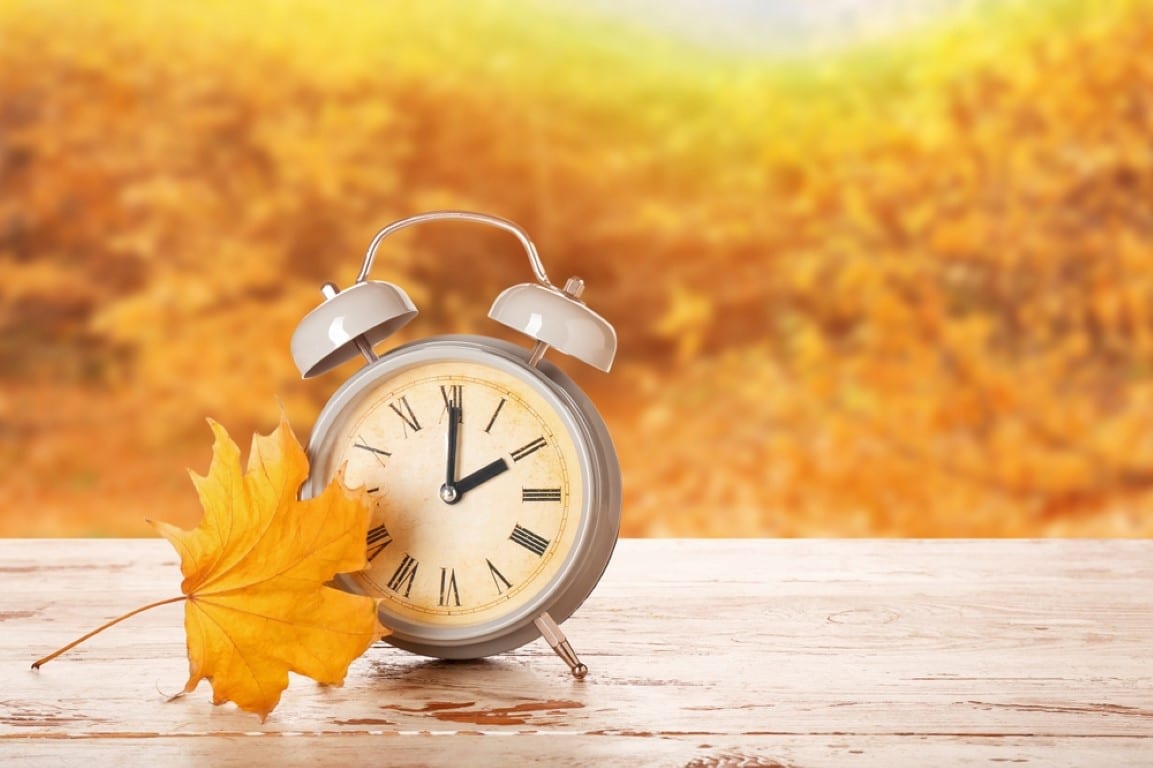
Germany and other European nations are set to adjust their clocks on Sunday, March 30, as Sommerzeit, or daylight saving time, begins in 2025. At 2 a.m., clocks will jump forward to 3 a.m., marking the end of winter time and shortening the night by one hour. Occurring just days after the spring equinox on March 20, this shift reignites discussions about its effects on daily life, health, and even the economy. Though a decades-long tradition, the debate over abolishing this biannual change grows stronger each year.
Roughly 450 million people across the European Union undergo this transition twice annually, with clocks moving forward on the last Sunday of March and back on the last Sunday of October. Introduced widely in the 1980s, the measure aimed to maximize daylight and save energy. Yet, recent studies challenge its effectiveness, while the toll on human health—such as fatigue and sleep disruption—becomes increasingly apparent to the public.
The switch to Sommerzeit alters routines for workers, students, and drivers alike. In cities like Berlin, Munich, and Hamburg, delayed sunrises in the weeks following the change demand adjustment. While some enjoy extended, sunlit evenings, others struggle with waking in darkness. This dichotomy highlights the complexity of a system that, though entrenched, faces mounting opposition.
- Daylight saving time starts on March 30 at 2 a.m.
- Clocks move forward 1 hour in Germany.
- Change impacts sleep and routines for millions in Europe.
Why Sommerzeit disrupts daily rhythms
Shifting to daylight saving time delivers an immediate jolt to the body. Losing an hour of sleep triggers a mini “jet lag,” most noticeable on the following Monday when the workweek begins earlier than usual. Research indicates this disruption can cause fatigue, concentration lapses, and even mood swings, affecting everyone from schoolchildren to adults in high-demand jobs.
In Germany, where punctuality is a cultural cornerstone, the change requires extra effort. Drivers, in particular, must stay vigilant, as data reveal a spike in traffic accidents post-adjustment. In 2023, a local study noted an 8% rise in minor collisions in the week after Sommerzeit began, blamed on a mix of tiredness and darker mornings.
Adaptation varies widely. Those with rigid schedules—like early-shift workers or parents of young kids—report greater challenges. Meanwhile, fans of longer afternoons relish the extra outdoor time. This balance of benefits and drawbacks keeps the issue alive, with experts offering strategies to ease the transition.
What changes when clocks move forward
Advancing clocks by one hour means temporarily leaving Mitteleuropäische Zeit (MEZ), or Central European Time, for Mitteleuropäische Sommerzeit (MESZ). Practically, sunrise and sunset shift later, stretching daylight into the evening. On March 30, Berlin’s sunrise moves from around 5:50 a.m. to 6:50 a.m., while sunset extends beyond 7 p.m., gaining an extra hour.
This tweak isn’t just about light, though. The human body runs on a biological clock better aligned with winter time, deemed the “normal” standard by chronobiologists. During Sommerzeit, the mismatch between sunlight and social schedules forces a reset of the circadian rhythm, a process that can take days or weeks depending on the individual.
To smooth the shift, Germans share practical tips. Daytime outdoor activity helps regulate sleep, while avoiding screens at night preserves melatonin production, aiding rest. Such small steps gain traction in a nation that prizes efficiency.
- Outdoor exercise aids adjustment.
- Skipping smartphones at night boosts sleep.
- Morning light exposure resets the internal clock.
Roots and purpose of Sommerzeit in Europe
Germany adopted daylight saving time in 1980, though the concept dates back to World War I experiments. Revived after the 1973 oil crisis, it aimed to cut energy use by leveraging natural light, reducing reliance on electric bulbs. The reasoning was straightforward: longer evenings meant fewer lights switched on.
Over four decades later, the landscape has shifted. Lighting now accounts for a smaller slice of energy consumption, while heating demands in darker, colder mornings offset any savings. A 2022 analysis found Sommerzeit’s impact on energy reduction negligible, prompting many to question its modern relevance.
The practice endures across 27 EU countries, plus nations like Switzerland and Norway, which align with the same schedule. Consistency is key to avoid chaos in transport, trade, and cross-border communication, but the human cost of the switch fuels calls for reform.
Push to end the clock changes
Talk of scrapping the Sommerzeit-Winterzeit switch isn’t new. In 2018, an EU public survey showed 84% of 4.6 million respondents favored ending seasonal changes. A 2024 poll in Baden-Württemberg echoed this, with 80% of locals deeming Sommerzeit unnecessary and preferring a fixed time year-round.
Yet, agreement stalls progress. Southern nations like Portugal and Spain lean toward permanent Sommerzeit for its long summer days, while northern countries like Finland and Denmark back Winterzeit to avoid late winter sunrises. In Germany, a fixed Sommerzeit would mean December dawns after 9 a.m., a tough sell for workers and students.
With no consensus, the decision remains on hold. A patchwork of time zones within the EU would disrupt its integrated economy, so clocks will keep ticking forward and back until a unified path emerges.
Timeline of clock changes in Germany
Germany’s Sommerzeit history reflects responses to crises and evolving needs. Key milestones include:
- 1916: First use during World War I.
- 1973: Oil crisis sparks energy-saving debates.
- 1980: Sommerzeit officially launched in West Germany.
- 1991: Reunified Germany adopts it nationwide.
- 2018: EU survey reveals widespread rejection of seasonal shifts.
These moments trace a practice whose original rationale has faded over time.
Health and traffic take a hit
The days after Sommerzeit starts often bring a surge in health and safety issues. German hospitals see a 10% uptick in visits for suspected cardiovascular problems in the following week, tied to sleep-related stress. The risk spikes for those with pre-existing heart conditions.
On the roads, drowsy drivers and dim mornings heighten hazards. In 2023, Bavaria logged a 12% increase in minor crashes the Monday after the switch, a recurring trend. Authorities urge extra caution, especially on busy routes like the Autobahn.
As the population ages, these effects draw more scrutiny. Older adults, more sensitive to biological shifts, face added strain, bolstering arguments for ending the practice.
Millions adapt to the new rhythm
With Sommerzeit’s arrival, Germans tweak more than just clocks—they adjust their lives. Businesses stick to fixed schedules, forcing employees to rise earlier, while schools follow suit, impacting kids and teens. In rural areas, farmers feel less disruption, guided by the sun’s natural cycle.
The nation’s precision culture aids the transition. Deutsche Bahn trains, for instance, sync schedules seamlessly, dodging delays. Still, the human toll persists, keeping the search for alternatives alive among citizens.

