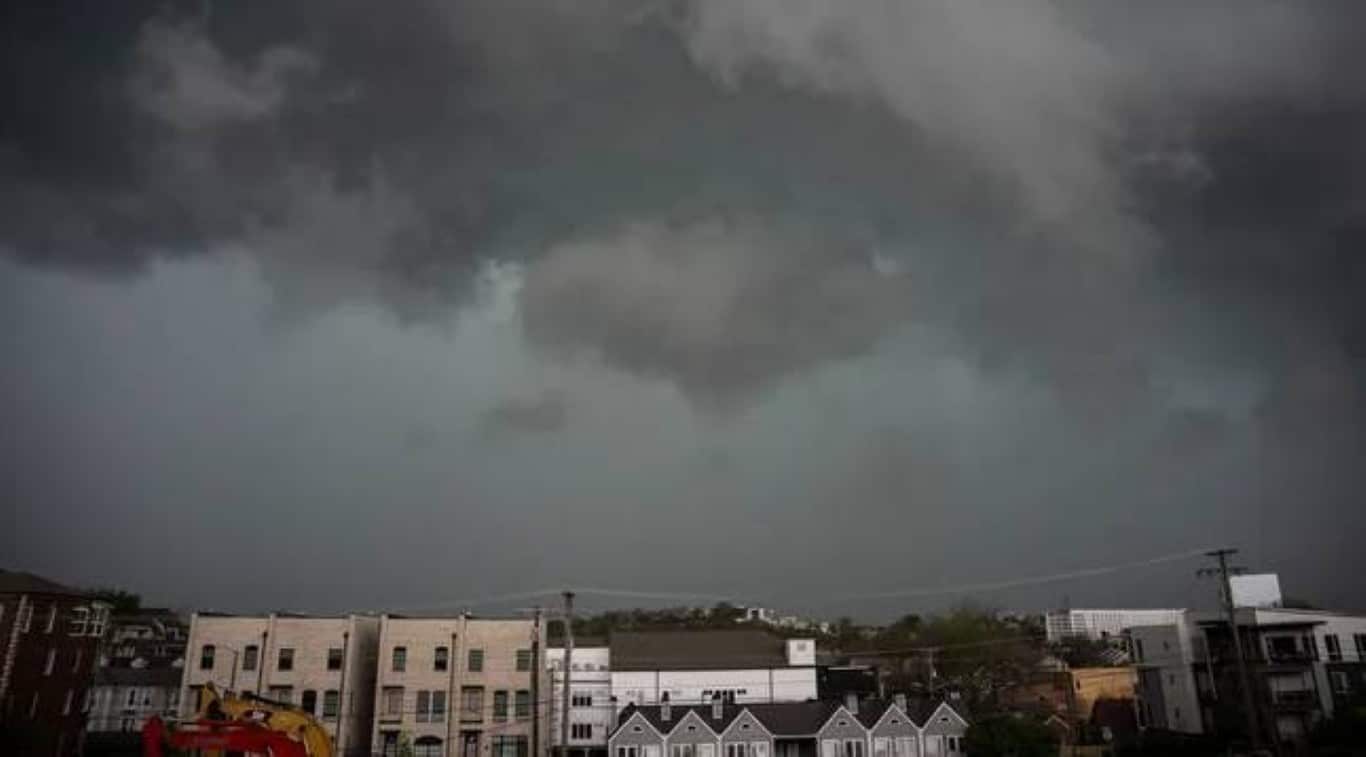
A relentless wave of severe storms has battered Tennessee over recent days, leaving a trail of destruction and claiming 10 lives as of Sunday, April 6, 2025. The Tennessee Emergency Management Agency (TEMA) maintains a Level 3 – State of Emergency, activated on Saturday from the State Emergency Operations Center in Nashville, as local and state teams grapple with the aftermath of tornadoes, heavy rain, and flooding. Among the victims, a 48-year-old man and his 16-year-old daughter perished in Fayette County when a tornado struck their modular home, while in McNairy County, a preliminary EF-3 tornado with 160 mph winds tore through Selmer, killing five. The series of extreme weather events, ongoing since Wednesday, shows no immediate signs of abating, with more rainfall forecast for the coming days.
The tragedy in Fayette County stunned the region. Located about 45 minutes from Memphis, the county recorded the first confirmed deaths on Thursday when a tornado demolished a family’s home near Moscow. The father was pronounced dead at the scene, while his daughter succumbed to injuries later in the hospital. The mother, aged 46, was rescued in critical condition alongside two other injured relatives. Meanwhile, in McNairy, the EF-3 tornado’s ferocity left streets unrecognizable, reducing homes to rubble and uprooting trees. Memories of a prior deadly tornado two years ago resurfaced, highlighting the county’s recurring vulnerability to natural disasters.
Three additional deaths were reported in Carroll, Obion, and Tipton counties, bringing the total to 10, as confirmed by the Tennessee Department of Health. In Obion, in the state’s northwest corner, authorities issued a voluntary evacuation for flood-prone areas on Saturday, bracing for further downpours. The storms, now in their fourth day, have damaged highways, cut power to over 15,000 homes, and wreaked havoc across dozens of communities. With up to 10 inches of rain already recorded and forecasts predicting another 5 to 7 inches by Sunday’s end, Tennessee faces one of its most severe weather crises in recent years.
Details emerge from Fayette County deaths
The disaster in Fayette County set the tone for the storm’s toll. Early Thursday, a tornado slammed into a modular home near Moscow, a rural town east of Memphis. Fayette County Chief Deputy Raymond Garcia reported that the structure buckled under fierce winds, killing the 48-year-old father instantly. His 16-year-old daughter was rushed to a nearby hospital but could not be saved. The mother, critically injured, was pulled from the wreckage by rescue teams, along with two other family members who survived with injuries.
The tornado left the home in ruins, scattering debris across dozens of yards. Emergency crews labored for hours to secure the site, while neighbors rallied to provide support. The incident exposed the fragility of modular homes against extreme weather, a recurring issue in Tennessee’s rural areas. Moscow, a tight-knit community of just over 500 residents, was unprepared for the storm’s precision strike, which turned a quiet night into a scene of devastation.
Shock rippled through the town. Though tornadoes are not uncommon in the state, the direct hit on this family’s home left residents reeling. Local authorities are still assessing the full scope of damage in Fayette County, but initial efforts focused on rescue and medical care, with regional hospitals seeing an influx of storm-related injuries.
EF-3 tornado devastates McNairy County
McNairy County bore the brunt of the storm’s wrath. A preliminary EF-3 tornado, packing winds of 160 mph, roared through Selmer in the early hours of Thursday, claiming five lives and leaving a landscape of destruction. Homes were flattened, cars hurled through the air, and power lines toppled, cutting off access to hard-hit areas. Selmer, a town of about 4,300, saw entire neighborhoods erased, with century-old trees snapped like twigs by the storm’s force.
The tornado’s violence echoed a grim history. Two years ago, in 2023, another deadly twister killed nine in nearby Bethel Springs, Adamsville, and Rose Creek, all within McNairy County. This time, the five deaths occurred across different parts of Selmer, though specifics about the victims remain limited. Rescue teams struggled to reach isolated spots, hampered by blocked roads and flooding. TEMA deployed additional resources to aid in survivor searches and damage assessments, with over 100 buildings reported destroyed or heavily damaged.
- Key impacts in Selmer:
- Five deaths linked to the EF-3 tornado.
- Over 100 homes damaged or demolished.
- Power and road infrastructure severely disrupted.
Other victims add to grim toll
Beyond Fayette and McNairy, three more lives were lost in Carroll, Obion, and Tipton counties, underscoring the storm’s widespread reach. In Carroll County, in western Tennessee, one person died under circumstances tied to the storms, though details remain unclear amid reports of fallen trees and flooding. The rural county endured powerful winds that toppled structures and left thousands without power for hours.
Obion County, near Kentucky’s southern border, reported another storm-related death. Situated in the northwest, the area faced intense winds and torrential rain, prompting a voluntary evacuation of low-lying zones on Saturday. The victim’s identity and exact cause of death are still under investigation, but flooding or structural collapse are suspected. The county’s flat terrain and proximity to rivers heightened flood risks, compounding the crisis.
In Tipton County, north of Memphis, a third death completed the tally of 10. The region, part of the Mississippi Delta, saw rainfall exceed 5 inches in under 24 hours. While specifics are sparse, TEMA warned that the death toll could rise as reports trickle in from affected areas, especially with more storms looming. The agency’s updates reflect a state on edge, bracing for further losses.
Storms batter Tennessee for days
The onslaught began Wednesday, when an initial surge of storms brought strong winds and heavy rain across Tennessee. Thursday escalated the crisis, with tornadoes in Selmer and Fayette claiming seven lives and causing widespread damage. Friday saw continued instability, with flash flood warnings issued statewide, followed by Saturday’s Level 3 – State of Emergency declaration from TEMA. By Sunday, four consecutive days of extreme weather had left the state reeling, with no immediate end in sight.
Governor Bill Lee visited Selmer on Thursday, joined by emergency crews, to survey the EF-3 tornado’s wreckage. He praised the resilience of affected communities but cautioned that dangers persist with more rain on the way. In Nashville, the State Emergency Operations Center coordinates resource distribution, including generators and supplies, while the Tennessee Department of Transportation clears flooded highways like Interstate 65, which faced temporary closures.
The scale of the crisis is staggering. Over 70 severe storm warnings and 50 tornado alerts have been issued since Wednesday, with seven twisters confirmed so far. Rainfall totals have hit 7 inches in parts of western and central Tennessee, with forecasts of an additional 5 to 7 inches by Sunday night. The mix of winds, tornadoes, and flooding has turned the state into a battleground against nature, testing its response capabilities.
Level 3 emergency mobilizes response
Saturday’s Level 3 – State of Emergency declaration signals the crisis’s severity. Under Tennessee law, this level denotes a serious emergency or minor disaster, marked by rapid deterioration and the need for public alerts. The Nashville-based State Emergency Operations Center runs round-the-clock, managing rescue teams, health departments, and local agencies to curb the storms’ impact, which has already claimed 10 lives.
In Fayette County, firefighters and paramedics worked tirelessly to free survivors from debris, while in McNairy, volunteers joined officials to clear rubble and restore access to devastated zones. Obion County saw residents relocate from flood-prone areas, with temporary shelters opened for evacuees. TEMA reported that over 15,000 homes lost power on Thursday, a figure reduced to about 2,600 by Sunday through utility efforts.
Federal aid has also been secured. Governor Bill Lee’s Emergency Declaration request was approved, unlocking 75% federal funding for emergency measures via FEMA. This support bolsters resources for the hardest-hit regions, particularly in western and central Tennessee, where damage is most extensive, ensuring a coordinated response to a still-unfolding disaster.
Flood risks compound the crisis
Persistent rainfall has spiked flooding threats across Tennessee, especially in already-soaked areas. In counties like Obion and Carroll, rivers and streams overflowed, forcing evacuations and blocking roads. The Tennessee Department of Transportation reported closures on Interstate 65 and other state routes due to flooding, with muddy waters rushing over pavement at dangerous speeds.
Nashville, the state capital, faces urban flood risks. Flash flood warnings covered the metro area, where up to 4 inches of rain fell between Thursday and Saturday. Neighborhoods like Bellevue and Joelton saw submerged streets, while the Cumberland River, bisecting the city, reached concerning levels. Local officials urged drivers to avoid flooded zones, noting that most flood-related deaths occur in vehicles.
In Selmer, post-tornado rains worsened the devastation, flooding already-ravaged areas. The blend of destructive winds and standing water slowed cleanup and rescue efforts, with teams wading through mud and debris to reach survivors. Forecasts of 5 to 7 more inches of rain by Sunday’s end keep the state on high alert, with fears of rising casualties and property losses.
Communities rally amid destruction
Tennessee’s communities display resilience in the face of adversity. In Fayette County, neighbors banded together to aid the tornado-struck family, providing shelter and supplies as officials organized formal relief. In Moscow, volunteers handed out food and water, while local churches opened as support hubs for the displaced. This solidarity offered a glimmer of hope amid the loss of two lives and injuries to three others.
Selmer, in McNairy County, saw a remarkable response. After the EF-3 tornado, residents worked alongside emergency crews to clear debris and restore order. Despite five deaths and widespread destruction, the community mobilized swiftly, with donations pouring in from nearby towns. Governor Bill Lee lauded this unity during his visit, emphasizing its role in the state’s recovery.
In Obion and Tipton, flood threats spurred preventive action. Teams erected sandbag barriers in vulnerable spots, while the Red Cross readied shelters for evacuees. The blend of local grit and state-federal support has been vital in tackling the four-day storm onslaught, with more challenges ahead as the weather persists.
McNairy’s tornado history resurfaces
McNairy County is no stranger to disaster. Two years ago, in 2023, a deadly EF-4 tornado killed nine in Bethel Springs, Adamsville, and Rose Creek, near Selmer, demolishing over 200 structures and causing millions in damages. Thursday’s EF-3 strike, with 160 mph winds, killed five and destroyed about 100 homes, reviving the trauma of that earlier event and raising questions about the region’s exposure.
Experts note McNairy’s location in southwest Tennessee places it in the path of severe weather systems common to the Mid-South, especially in spring. Its flat terrain and proximity to the Tennessee River amplify risks. The 2023 disaster left lasting scars, and this latest blow tests the county’s rebuilding capacity, with residents and officials drawing on past experience to respond.
Familiarity with tornadoes sped up recovery efforts. Seasoned locals guided newcomers, while authorities, versed in post-disaster logistics, hastened aid delivery. Yet, the recurring nature of these events challenges McNairy’s long-term resilience, as it grapples with a cycle of destruction and renewal.
Timeline of storm events
The past days in Tennessee unfolded as a relentless weather saga:
- Wednesday, April 2: Initial wave of rain and strong winds hits the state.
- Thursday, April 3: Tornadoes in Fayette and McNairy kill seven.
- Friday, April 4: Heavy rains trigger statewide flooding.
- Saturday, April 5: TEMA declares Level 3 emergency; three more deaths confirmed.
- Sunday, April 6: Death toll reaches 10, with more rain forecast.
This sequence captures the escalating toll of a weather system that continues to punish Tennessee, compounding damage daily.
Warning for the days ahead
More rain looms, keeping Tennessee on edge. Meteorologists predict up to 7 inches of precipitation in already-drenched areas like the west and center by Sunday night. Nashville braces for urban flooding, while rural counties like Obion and Carroll face river overflows. TEMA urged residents to avoid unnecessary travel and monitor local updates.
The Department of Transportation struggles to reopen highways, slowed by ongoing conditions. In Selmer, additional rain hampers tornado cleanup, while in Fayette, focus shifts to aiding the injured and displaced. Federal support, now active, will ramp up with FEMA teams arriving, bolstering a state stretched thin by a disaster that has claimed 10 lives and threatens more.
Tennessee stands as a stark example of the Mid-South’s climate challenges. With tornadoes, floods, and winds converging, the state prepares for a prolonged recovery, as nature continues to test its limits.
