
The British royal family is gearing up for the traditional Easter Sunday service at St. George’s Chapel in Windsor Castle, scheduled for April 20, 2025. This annual event brings together royals for a significant religious celebration, but this year, Prince William and Kate Middleton, accompanied by their children George, Charlotte, and Louis, will not attend. Instead, the couple has chosen to spend the holiday at their rural residence, Anmer Hall, in Norfolk, focusing on family time. The decision, reportedly discussed with King Charles III, was approved by the monarch, allowing the heir to the throne to prioritize personal moments with his family.
This marks the second consecutive year that William and Kate have missed the Easter service. In 2024, their absence came shortly after Kate Middleton publicly announced her cancer diagnosis. The Princess of Wales, who underwent treatment throughout the past year, has gradually resumed public duties, but the choice to skip this religious event underscores the couple’s commitment to balancing royal obligations with family life. Anmer Hall, known for its privacy and comfort, has become a frequent retreat for the Cambridge family during breaks.
For King Charles III and Queen Camilla, the Easter service at St. George’s Chapel remains a cornerstone of royal tradition. However, William and Kate’s decision reflects a shift in priorities, particularly after a challenging year for the royal family. The couple’s focus on their children’s well-being, as they prepare to return to school post-holiday, highlights their dedication to fostering a grounded family environment amid their public roles.
- Reasons for absence: Prioritizing family time before the children’s school term resumes.
- Chosen location: Anmer Hall, a rural residence in Norfolk.
- Context: Second year in a row that the couple skips the Easter service.
A family retreat in Norfolk
Anmer Hall, nestled in the Norfolk countryside, is a cherished retreat for William and Kate’s family. Gifted to the couple by the late Prince Philip, the ten-bedroom estate offers a serene escape surrounded by fields, far from the public eye in London. During the Easter holiday, the couple plans to engage in outdoor activities with their children, including walks, bike rides, and garden playtime. The decision to retreat to Norfolk reflects their pursuit of privacy, especially after a 2024 marked by health challenges and intense public scrutiny.
Over the years, Anmer Hall has become a sanctuary for the Cambridge family. Beyond serving as a vacation home, the residence allows George, Charlotte, and Louis to experience a semblance of normal childhood, away from the formalities of Kensington Palace. The choice to spend Easter in the countryside also signals William and Kate’s intent to shield their children from the weight of royal duties, particularly as the monarchy navigates significant changes, including King Charles III’s reign and his health challenges.
The weight of royal traditions
The Easter service at St. George’s Chapel is one of the British royal family’s oldest traditions, dating back centuries and symbolizing the monarchy’s ties to the Anglican Church. Held at Windsor Castle, the event draws royals, dignitaries, and media, reinforcing the institution’s continuity. King Charles III and Queen Camilla’s presence underscores this message, but William and Kate’s absence raises questions about how the next generation will balance tradition with modern priorities.
Historically, William and Kate were regular attendees of the Easter service, often photographed alongside other royals. However, since Kate’s cancer diagnosis in 2024, the couple has been more selective about public appearances. The Princess of Wales, who underwent chemotherapy and other treatments, has resumed some duties in 2025, but opting for family time during Easter suggests a broader reassessment of their roles. Their decision aligns with a growing emphasis on personal well-being and family over rigid protocol.
The absence also comes amid evolving family dynamics. Since Prince Harry and Meghan’s departure from senior royal duties in 2020, William and Kate have faced increased pressure to take on prominent roles. Additionally, King Charles III, who dealt with health issues in 2024, relies heavily on the Prince of Wales to represent the monarchy. Yet, William’s choice to prioritize his family over the Easter service indicates his willingness to make decisions that favor his immediate family, even if it means diverging from tradition.
- Factors influencing the decision:
- Kate Middleton’s health and post-treatment recovery.
- Desire for privacy for their children.
- Shifts in royal family dynamics post-2024.
The context of the 2024 absence
William and Kate’s absence from the 2024 Easter service drew significant attention, particularly as it followed Kate Middleton’s cancer diagnosis announcement. In March 2024, the then-42-year-old princess revealed she had begun treatment after cancerous cells were detected during an abdominal procedure. The news stunned the public and sparked widespread support. During this period, William scaled back his public engagements to support his wife, focusing on their family’s needs.
The 2024 Easter holiday was a time of retreat for the Cambridge family. Instead of attending St. George’s Chapel, they spent the holiday at Anmer Hall, where Kate could rest and prepare for treatment. The decision reflected the gravity of the moment but also highlighted the strength of their family bond. In 2025, with Kate showing signs of recovery, the choice to return to Norfolk suggests that the couple continues to value these private moments, even as they resume public life.
Kate’s health has remained a sensitive topic for the royal family. After months of speculation and social media rumors, the princess chose to share her journey selectively, appearing at carefully chosen events and issuing official statements. Her absence from the 2025 Easter service, while less tied to health concerns, reinforces the idea that full recovery encompasses emotional and familial well-being, not just physical health.
The relationship with King Charles III
William and Kate’s decision to skip the Easter service was discussed with King Charles III, who reportedly approved his son’s choice. The relationship between the king and the Prince of Wales is described as close, though occasionally marked by negotiations, particularly when balancing royal duties with personal life. Charles, who ascended the throne in 2022 following Queen Elizabeth II’s death, faces the challenge of leading a monarchy in transition, and William’s role as heir is critical to this process.
However, Charles has his own challenges. In 2024, the king underwent treatment for an undisclosed health condition, limiting his public appearances for several months. The 2025 Easter service offers an opportunity for Charles to reinforce his role as head of the Anglican Church, but William and Kate’s absence may draw unwanted attention. Nevertheless, the king’s agreement with his son’s decision suggests an understanding of the importance of family well-being.
Queen Camilla, who has taken on a more prominent role since Charles’s ascension, will also attend the Easter service. Her presence reinforces the continuity of royal traditions, but the Cambridge family’s absence highlights a generational divide in approach. While Charles and Camilla uphold formalities, William and Kate appear more inclined to adapt traditions to modern needs.
- Events shaping the relationship:
- Charles III’s ascension to the throne in 2022.
- The king’s health challenges in 2024.
- William’s growing role as heir.
The children’s life at Anmer Hall
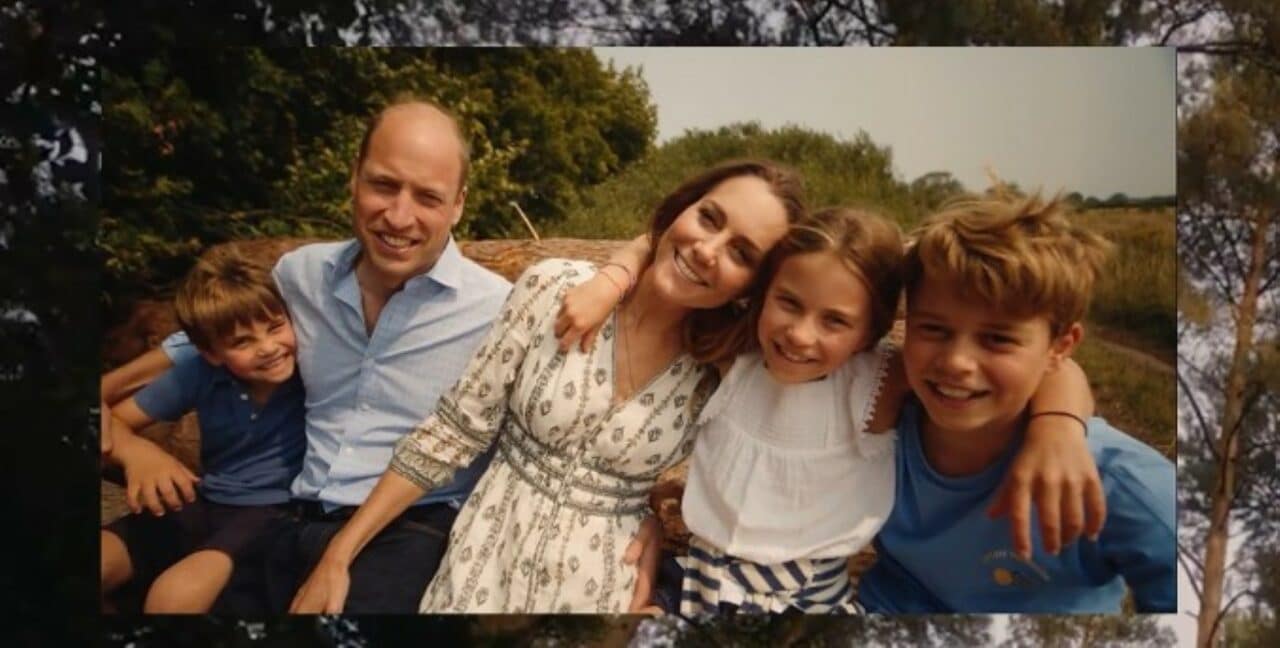
George, Charlotte, and Louis, aged 11, 9, and 6, respectively, are central to William and Kate’s decision to spend Easter in Norfolk. The children attend Lambrook School in Berkshire, with structured schedules during the academic year. The Easter holiday provides a chance for them to enjoy leisure and family time, away from cameras and public expectations.
Anmer Hall offers an ideal setting for this break. The rural estate allows the children to engage in outdoor activities like gardening, sports, and countryside play. Kate, a vocal advocate for active childhoods, carefully plans these moments to ensure her children experience a contrast to the formality of their London lives. The retreat to Norfolk is more than a vacation—it’s a chance to strengthen family bonds and provide a sense of normalcy amid royal pressures.
William and Kate’s parenting approach emphasizes protecting their children’s privacy. Since George’s birth, the couple has limited their children’s public appearances, ensuring they grow up with as much normalcy as possible. The Easter holiday in Norfolk aligns with this philosophy, offering the children a break from the spotlight.
Impact on the monarchy’s image
William and Kate’s absence from the Easter service may elicit mixed reactions among the British public. For some, it reinforces their image as a modern couple prioritizing family and mental health over rigid traditions. For others, missing such a symbolic event could be seen as a sign of detachment from the monarchy’s core duties. At a time when the institution faces challenges, including a reduced number of active royals and public scrutiny, the couple’s decision will be closely watched.
The monarchy has been in transition since Queen Elizabeth II’s death. Charles III’s reign has introduced new dynamics but also exposed vulnerabilities, such as reliance on a smaller group of royals to fulfill public roles. As future king and queen, William and Kate are pivotal to this landscape, and their choices shape public perception of the institution.
Despite potential criticism, prioritizing family time may strengthen William and Kate’s public connection. In an era where work-life balance is increasingly valued, their decision resonates with many. Kate’s recovery and gradual return to public life further enhance her image as a resilient and relatable figure.
- Potential impacts:
- Debate over balancing tradition and modernity.
- Reinforcement of William and Kate as dedicated parents.
- Pressure on Charles and Camilla to maintain the monarchy’s visibility.
Royal Easter timeline
The British royal family’s Easter celebrations follow a structured schedule, blending religion, tradition, and public visibility. Key moments include:
- Maundy Thursday (April 17, 2025): King Charles III participates in the traditional coin distribution ceremony at Worcester Cathedral, a ritual dating back to the 13th century.
- Easter Sunday (April 20, 2025): Service at St. George’s Chapel, attended by Charles III and Camilla, but without William, Kate, and their children.
- Post-Easter week: The children return to Lambrook School, and Kate resumes public engagements gradually.
The future of royal traditions
William and Kate’s second consecutive absence from the Easter service prompts questions about the future of royal traditions. As the monarchy adapts to a changing world, the next generation appears ready to redefine what it means to be royal. For William, the future king, these choices reflect a vision of a more flexible monarchy that balances public duties with personal needs.
Kate Middleton has leveraged her platform to champion causes like mental health, early childhood education, and family well-being. Her absence from Easter, though driven by personal reasons, aligns with her message of prioritizing balance and resilience. As she resumes her role, the princess is expected to continue shaping the monarchy’s image with a more human and approachable style.
The British monarchy, rooted in centuries of tradition, faces the challenge of remaining relevant in a rapidly evolving era. William and Kate’s decision to spend Easter in Norfolk may seem minor, but it signals a clear direction: a monarchy that values family, health, and public connection, even if it means breaking with the past.
