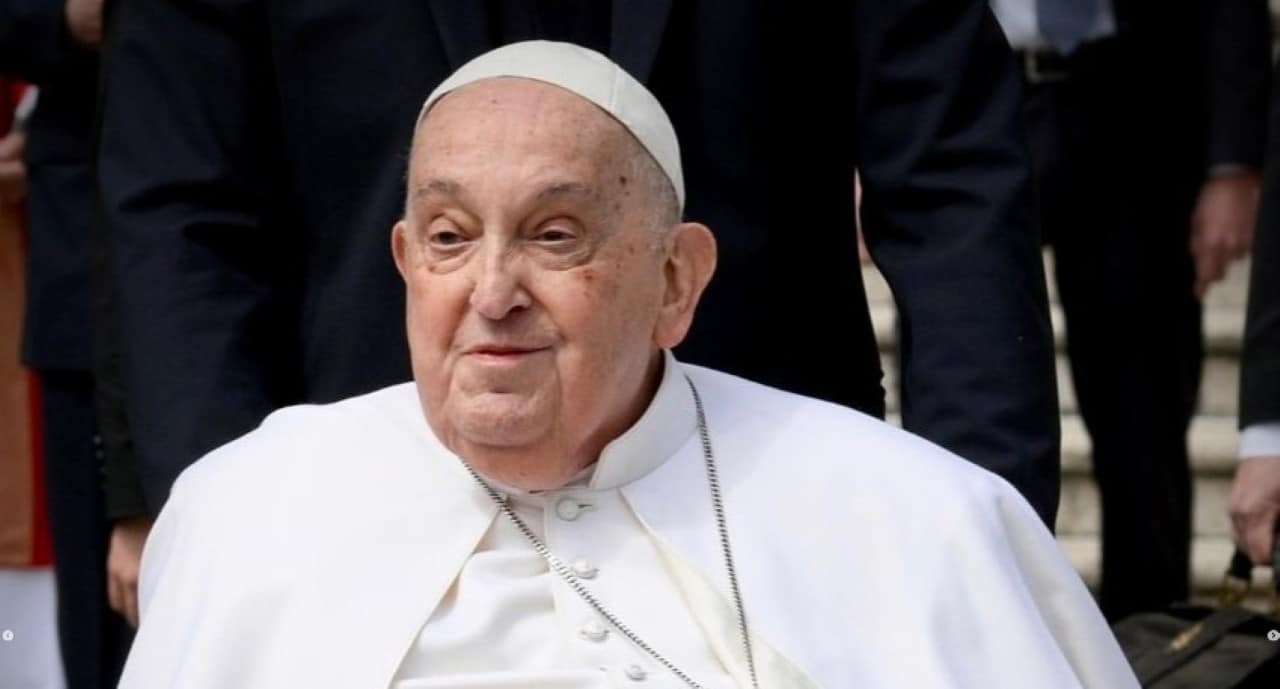
The death of Jorge Mario Bergoglio, known as Pope Francis, at 88 years old on the morning of April 21, 2025, marked the start of a crucial transition period for the Catholic Church. The first Latin American and Jesuit pontiff, Francis led the institution for 12 years, leaving a legacy of reforms, interfaith dialogue, and emphasis on mercy. With his passing, the Church enters the state of “sede vacante,” a time of mourning and preparation for the election of the new leader of the world’s 1.4 billion Catholics. The process, known as the conclave, is one of history’s oldest and most secretive rituals, held in the Sistine Chapel under vows of secrecy and traditions dating back to the 13th century.
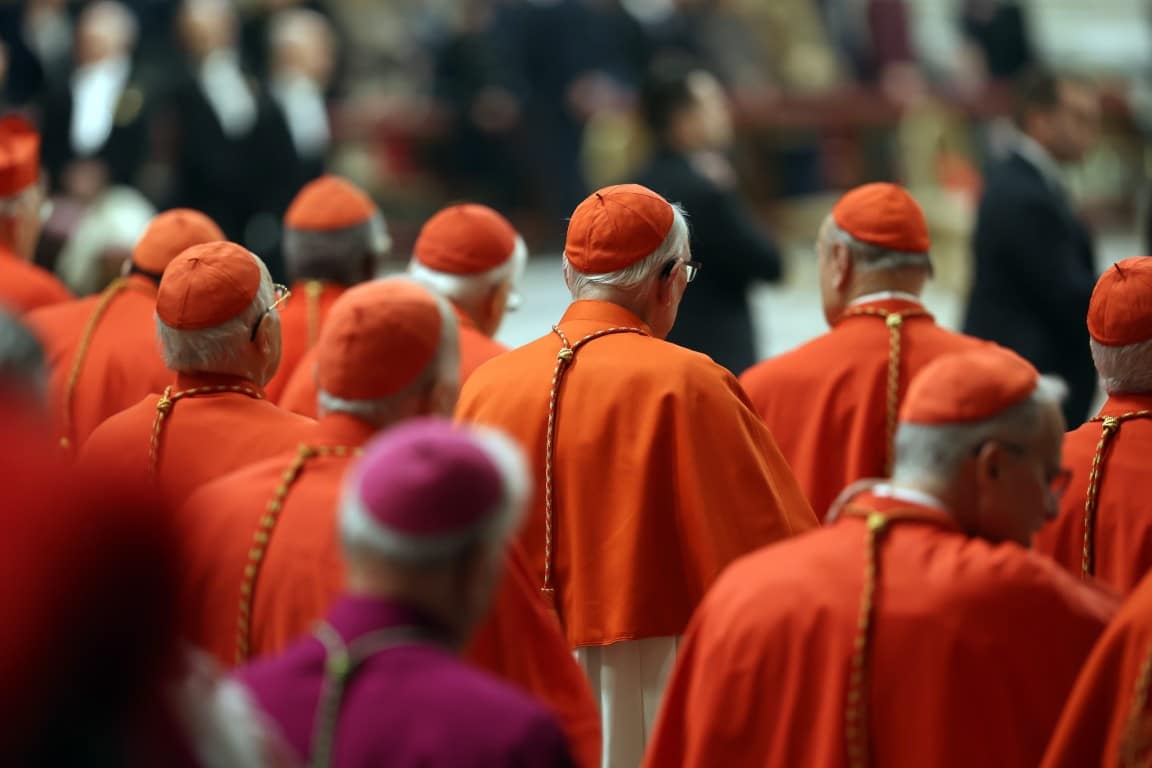
The conclave, which gathers cardinals from around the world, is governed by strict rules outlined in the apostolic constitution Universi Dominici Gregis, issued by John Paul II in 1996 and revised by Benedict XVI. The election takes place between 15 and 20 days after the pope’s death, allowing time for funeral rites and the arrival of cardinals in Rome. During this period, the Church is temporarily administered by the camerlengo, currently Irish Cardinal Kevin Farrell, who oversees tasks such as the destruction of the Fisherman’s Ring, a symbol of the papacy.
As the world watches the developments in the Vatican, anticipation grows over who will be the next bishop of Rome. The process, steeped in symbolism and secrecy, is marked by moments like the white smoke announcing the new pope’s election, followed by the proclamation “Habemus Papam” in St. Peter’s Square. The election reflects not only the Church’s spirituality but also the global challenges the new leader will face, from social issues to geopolitical tensions.
Funeral rites and the mourning period
The death of Francis triggered a series of liturgical rituals outlined in the Ordo Exsequiarum Romani Pontificis, updated by the pontiff himself in 2024. The first step is the official confirmation of death, performed by the camerlengo, who calls the pope by name three times. If there is no response, the death is declared, and the Fisherman’s Ring, engraved with the pontiff’s name, is destroyed with a hammer, symbolizing the end of the papacy. This ritual, though no longer involving a silver hammer to the forehead as in the past, retains its symbolic weight.
For the next nine days, known as novendiales, Masses are celebrated in memory of the deceased pope. The funeral, held between the fourth and sixth day after death, follows precise protocols, with the body displayed in St. Peter’s Basilica for the faithful’s veneration. The coffin, made of wood and zinc, is sealed in a private ceremony before burial, which may take place in the basilica or another location chosen by the pontiff. Francis, known for his simplicity, left instructions for a modest funeral, aligned with his vision of a humbler Church.
The mourning period also serves as preparation for the conclave. Cardinals from around the world begin arriving at the Vatican, participating in preparatory meetings called general congregations. In these meetings, led by the dean of the College of Cardinals, currently Cardinal Giovanni Battista Re, they discuss the state of the Church, future challenges, and the qualities desired in the next pope. These discussions, while not an electoral campaign, influence the election’s dynamics, as cardinals seek consensus on the ideal leader’s profile.
What defines the conclave
The conclave is the heart of the papal succession process, a ritual blending spirituality, secrecy, and tradition. Its name comes from the Latin cum clave (“with key”), referring to the cardinals’ isolation, as they remain locked in the Sistine Chapel until the new pope is chosen. The practice was formalized in 1274 by Pope Gregory X, after the longest election in history, which lasted nearly three years from 1268 to 1271 due to political divisions and delays. To prevent delays, Gregory X established strict rules, such as the seclusion of electors and reduced provisions if the process dragged on.
Today, the conclave is a highly organized event but retains its medieval essence. Up to 120 cardinals under 80 years old can vote, as determined by Paul VI in 1970. The Church currently has 252 cardinals, of whom 138 are eligible to vote. To be elected, a candidate needs two-thirds of the votes, a requirement set in 1179 by the Third Lateran Council and reinforced by Gregory XV in 1621.
- Total isolation: Cardinals stay at the Domus Sanctae Marthae, with no access to phones, internet, or media.
- Secret ballot: Each cardinal writes their choice on a ballot with the phrase Eligo in Summum Pontificem (“I elect as Supreme Pontiff”).
- Symbolic smoke: After each vote, ballots are burned. Black smoke signals no election; white smoke indicates a new pope.
- Oath of secrecy: All involved, including assistants and clergy, take a vow of silence, under penalty of excommunication.
The election in the Sistine Chapel
Once the conclave begins, cardinals attend a morning Mass in St. Peter’s Basilica, called Pro Eligendo Romano Pontifice. They then process to the Sistine Chapel, singing the hymn Veni Creator Spiritus to invoke the Holy Spirit. After the order Extra omnes (“Everyone out”), pronounced by the master of ceremonies, the doors are closed, leaving only the electors and a few assistants inside.
Voting occurs in up to four rounds daily: two in the morning and two in the afternoon. Each cardinal places their ballot in an urn, and votes are counted by scrutineers. If no candidate achieves the required two-thirds, black smoke is emitted, traditionally by burning ballots with a chemical dye. If a cardinal is elected, he is asked if he accepts and chooses his papal name. The new pope is then taken to the Room of Tears, where he dons the papal vestments, before being presented in St. Peter’s Square with the phrase Annuntio vobis gaudium magnum: Habemus Papam.
The process can last days but rarely exceeds a week. In 2013, Francis was elected after five rounds of voting in just two days, a relatively quick conclave. The duration depends on factors like the clarity of the desired profile and the cardinals’ ability to reach consensus.
Francis’ legacy and the successor’s challenges
Francis, elected on March 13, 2013, transformed the Church’s image with his simplicity and openness. The first Jesuit and Latin American pope, he prioritized the poor, promoted interfaith dialogue, and tackled controversial issues like LGBTQIA+ rights and the climate crisis. His reform of the Roman Curia, with the creation of the Council of Cardinals, and measures against sexual abuse, such as the motu proprio Vos estis lux mundi, marked his pontificate.
However, Francis faced resistance. Conservative factions criticized his openness to same-sex couples and his critique of capitalism. His frail health, with hospitalizations for respiratory issues in 2024 and 2025, sparked speculation about a possible resignation, which he dismissed. His death, after 37 days hospitalized for pneumonia and respiratory failure, ended a papacy of significant change but left challenges for the next leader.
The new pope will inherit a Church divided between progressives and conservatives, alongside global issues like wars, migration, and secularization. The successor’s choice will depend on balancing Francis’ reforms with the need for internal unity.
Stages of the conclave in detail
The conclave is a complex process with stages ensuring secrecy and spirituality. Below is a summary of the main phases:
- General congregations: Preparatory meetings where cardinals discuss the Church’s future.
- Initial Mass: A public celebration marking the conclave’s start.
- Voting: Conducted via secret ballots, with up to four rounds per day.
- Prayer pause: After three days without an election, cardinals take a day for reflection.
- Final announcement: White smoke and the Habemus Papam proclamation conclude the process.
Possible candidates and profiles
Although the Church prohibits electoral campaigns, some cardinals are considered papabile, or potential candidates. The choice reflects not only personal trajectory but also the vision for the Church’s future. Francis appointed 47% of the voting cardinals, which may favor a successor aligned with his ideas.
Among the speculated names are Filipino Cardinal Luis Antonio Tagle, known for his closeness to the faithful, and Italian Cardinal Pietro Parolin, the current Vatican secretary of state, seen as an experienced diplomat. Cardinals from regions like Africa and Asia are also gaining prominence, given the growth of Catholicism in those continents. The choice of a non-European pope, like Francis, broke precedents, and many expect the next pontiff to come from a rising region in the Church.
The election, however, is unpredictable. In 2013, Bergoglio was not among the favorites, but his humility and pastoral vision won over the cardinals. The 2025 conclave will test the Church’s ability to unite its diverse factions around a leader capable of addressing 21st-century challenges.
The significance of smoke and secrecy
The smoke rising from the Sistine Chapel’s chimney is one of the conclave’s most iconic symbols. Traditionally, ballots were burned with wet straw for black smoke or dry straw for white. Today, a chemical dye ensures clear signaling. Black smoke, emitted after inconclusive votes, keeps the faithful in St. Peter’s Square in anticipation, while white smoke sparks celebrations.
Secrecy is equally central. Cardinals take a solemn oath, and any breach can result in excommunication. Assistants, such as doctors and clergy, are also bound by silence. This confidentiality protects the process from external influences, like political or media pressure, and preserves the election’s spiritual dimension.
Global impacts of the succession
The election of a new pope affects not only Catholics but also the global stage. The pope is a moral authority, capable of shaping debates on peace, social justice, and the environment. Francis, for instance, mediated the rapprochement between the United States and Cuba in 2015 and criticized leaders like Vladimir Putin and Benjamin Netanyahu over armed conflicts. His successor will face the challenge of maintaining this relevance in a world marked by polarization and humanitarian crises.
Moreover, the pope’s choice may reflect demographic shifts in Catholicism. While Europe, the Church’s cradle, sees a decline in faithful, regions like Africa and Asia report growth. A pope from one of these areas could symbolize the Church’s universality and attract new followers.
Succession process timeline
The period between Francis’ death and the new pope’s election follows a strict schedule, with defined dates and rituals:
- April 21 to 30, 2025: Mourning period (novendiales), with daily Masses and a funeral between April 25 and 27.
- April 22 to May 5: General congregations to discuss the Church’s future.
- May 6 to 10: Conclave begins, with voting in the Sistine Chapel.
- Variable date: Announcement of the new pope, expected by mid-May.
The role of the camerlengo and the College of Cardinals
During the sede vacante, the camerlengo plays a central role. Kevin Farrell, appointed by Francis in 2019, is responsible for administering the Vatican, convening the conclave, and ensuring operational continuity. He also oversees the destruction of the Fisherman’s Ring and the preparation of the papal apartments for the new pontiff.
The College of Cardinals, meanwhile, acts as a temporary government. Though it loses some functions, like appointing bishops, the college makes urgent decisions and organizes the conclave. The leadership of the dean, Giovanni Battista Re, is critical to maintaining order and avoiding conflicts during the process.
Conclave curiosities
The conclave is filled with traditions and details that captivate faithful and curious alike. Some aspects stand out for their uniqueness:
- Room of Tears: After election, the new pope dons papal vestments in a small room beside the Sistine Chapel, where many weep over the responsibility of the role.
- Fisherman’s Ring: Each pope receives a unique ring, destroyed after their death to prevent document forgery.
- Perforated ballots: Voting ballots are pierced at the word Eligio, threaded together for archiving.
- Extra omnes: The Latin phrase, shouted at the conclave’s start, is one of the most dramatic moments, marking the cardinals’ isolation.
The future of the Catholic Church
The death of Francis closes a chapter of transformation in the Catholic Church but opens a new cycle of challenges. The next pope will face issues like minority inclusion, the crisis of priestly vocations, and the need for dialogue in a fragmented world. The new leader’s choice will reflect the cardinals’ priorities, seeking someone capable of uniting the Church and meeting the faithful’s expectations.
As cardinals prepare for the conclave, millions of Catholics follow the process with prayers and anticipation. The white smoke, when it rises, will not only announce a new pope but also set the Church’s course for the years ahead. The world, Catholic or not, will be watching what unfolds within the Vatican’s walls.
