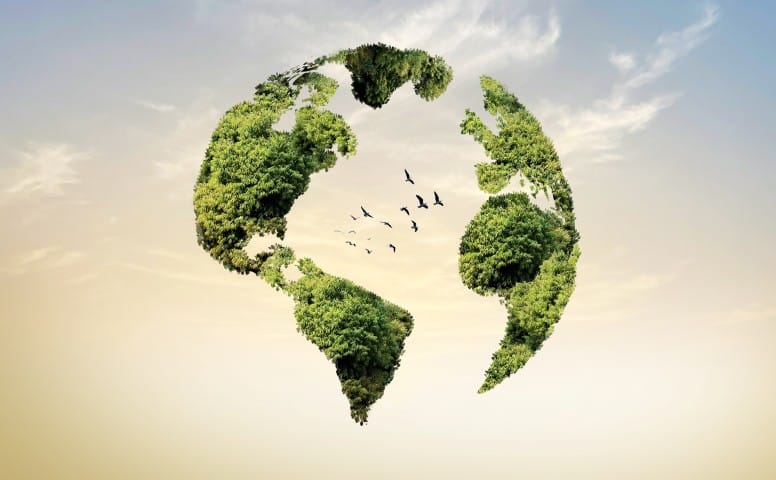
The Earth Day celebration, held annually on April 22, galvanizes millions worldwide to confront environmental challenges and foster a more sustainable future. Established in 1970, the event emerged as a response to growing environmental degradation and has since become a global milestone for awareness and action. In 2025, the theme “Restore Our Earth” underscores the urgent need to rehabilitate damaged ecosystems and adopt practices that reduce human impact on the planet. From tree planting to the adoption of green technologies, this year’s initiatives aim to engage communities and governments in collective efforts. In Brazil, protecting biomes like the Amazon and Pantanal takes center stage, reinforcing the country’s critical role in combating climate change.
The Earth Day movement began with a historic mobilization in the United States, where 20 million people took to the streets to demand action against pollution and environmental destruction. This event spurred the creation of laws that transformed natural resource management, inspiring other nations to follow suit. Today, over 190 countries participate in the celebrations, organizing events ranging from river cleanups to discussions on climate policies. For 2025, expectations are high that actions will reach even more people, focusing on restoring degraded areas and reducing carbon footprints.
This #EarthDay, @epaleezeldin is focused on Powering Our Great American Comeback and reaffirms our commitment to provide clean air, land and water for ALL Americans. pic.twitter.com/bbxxKDNh8P
— U.S. EPA (@EPA) April 22, 2025
As the impacts of climate change intensify, Earth Day’s relevance continues to grow. Recent reports highlight that biodiversity loss and rising greenhouse gas emissions threaten the stability of essential ecosystems. Consequently, the activities planned for 2025 aim not only to raise awareness but also to deliver tangible outcomes, such as forest recovery and the promotion of renewable energy. Communities worldwide are gearing up to participate in practical initiatives, demonstrating that small actions can yield significant results when scaled globally.
Origins and historical impact of Earth Day
The concept of Earth Day arose amid increasing concern over pollution and resource depletion. In 1969, U.S. Senator Gaylord Nelson proposed a national event to spotlight environmental issues, drawing inspiration from the era’s student movements. The inaugural event in 1970 brought together millions in peaceful protests, lectures, and educational activities, marking the dawn of a new era of environmental activism. This movement was pivotal in securing landmark legislation like the Clean Air Act and Clean Water Act in the United States, which set stringent standards for environmental protection.
Since then, Earth Day has expanded into a global event coordinated by organizations like the Earth Day Network. Each year, a specific theme guides the actions, addressing challenges such as plastic pollution, biodiversity protection, and the shift to clean energy. In 2025, the focus on ecosystem restoration reflects the pressing need to reverse damage caused by decades of unchecked exploitation. Reforestation projects and the rehabilitation of degraded soils are among the priorities, with ambitious goals set for the coming years.
Earth Day’s impact extends beyond a single day. It serves as a catalyst for long-term change, encouraging governments, businesses, and individuals to embrace sustainable practices. In many countries, the event has inspired policies promoting conservation, such as incentives for renewable energy and recycling programs. In Brazil, similar initiatives are gaining traction, with efforts centered on preserving protected areas and curbing illegal deforestation.
Key actions for Earth Day 2025
The activities planned for Earth Day 2025 are diverse, encompassing both local and global initiatives. The emphasis is on efforts that promote environmental restoration and engage communities practically. Key actions include:
- Tree planting: Reforestation projects in deforested areas, aiming to plant millions of trees in 2025.
- River and beach cleanups: Campaigns to remove plastic waste and other pollutants from waterways.
- Environmental education: Workshops and webinars on recycling, composting, and conscious consumption.
- Plastic reduction: Initiatives to encourage the use of biodegradable materials and reduce single-use plastics.
- Energy transition: Promotion of renewable energy sources, such as solar and wind, in communities and businesses.
These actions are designed to deliver immediate impact and inspire long-term behavioral changes. Often, they are supported by local and international organizations that provide resources and coordinate community efforts.
Brazil’s role in environmental conservation
In Brazil, Earth Day holds particular significance due to the country’s rich biomes. The Amazon, for instance, is a critical global climate regulator, storing billions of tons of carbon. However, deforestation and wildfires threaten its capacity to fulfill this role. In 2025, environmental organizations plan to intensify awareness campaigns and practical actions, such as monitoring protected areas and supporting Indigenous communities that safeguard the forest.
The Pantanal, another vital biome, is also a focal point. After years of devastating fires, restoration efforts are underway, including the recovery of wetlands and the reintroduction of native species. These projects highlight Brazil’s potential to lead conservation efforts despite challenges. Additionally, Brazilian cities are adopting measures to cut emissions, such as expanding bike lanes and promoting electric public transportation.
Earth Day celebrations in Brazil include events in schools, universities, and public spaces, where volunteers gather to plant trees, clean rivers, and discuss environmental solutions. These activities not only strengthen community engagement but also underscore the need for public policies prioritizing sustainability.
Green technologies and sustainable economies
The adoption of green technologies is a cornerstone of Earth Day 2025. Solar panels, wind turbines, and rainwater harvesting systems are becoming more accessible, enabling communities and businesses to reduce their carbon footprints. In many countries, these technologies are already generating jobs and driving economic growth. In Brazil, the solar energy sector has seen significant growth in recent years, with thousands of installations in homes and businesses.
The circular economy is also gaining prominence as an alternative to linear production models. Advanced recycling and material reuse initiatives are being implemented worldwide, reducing reliance on natural resources. During Earth Day, educational campaigns highlight how consumers can support these practices by choosing products from companies committed to sustainability.
Another key focus is regenerative agriculture, which aims to restore soil health and enhance carbon sequestration. Pilot projects in various countries show that these techniques can boost agricultural productivity while protecting the environment. In Brazil, farmers are experimenting with methods that combine traditional practices with modern approaches, such as no-till farming and crop rotation.
How to participate in Earth Day
Participating in Earth Day is accessible to everyone, and small actions can make a big difference. In 2025, the options for involvement are varied, allowing individuals and groups to contribute based on their capabilities. Suggestions include:
- Local events: Join community cleanups or tree-planting initiatives.
- Conscious consumption: Reduce single-use plastics and opt for reusable products.
- Education: Attend webinars or read about climate change to better understand current challenges.
- Sustainable mobility: Use bicycles, public transport, or carpooling to lower emissions.
- Environmental advocacy: Share information on social media to engage others.
When multiplied by millions of participants, these actions have the potential to transform how we interact with the environment. Earth Day fosters collaboration among individuals, businesses, and governments, emphasizing that sustainability is a shared responsibility.
Global action timeline for 2025
Earth Day 2025 aligns with global sustainability goals, with many activities already planned for the year. A basic timeline includes:
- January to March: Planning local events and awareness campaigns.
- April: Main celebrations, including plantings, cleanups, and lectures on April 22.
- May to July: Evaluation of results and launch of long-term projects, such as reforestation.
- August to December: Monitoring initiatives and preparing for the next year.
This timeline reflects the ongoing commitment to making Earth Day a movement that extends beyond a single date. Governments and organizations are collaborating to ensure that 2025’s efforts leave a lasting legacy.
Challenges and opportunities for the future
Despite progress, the pursuit of sustainability faces significant hurdles. Rising deforestation in some regions, reliance on fossil fuels, and resistance from certain sectors to structural changes demand coordinated action. In Brazil, for instance, pressure on the Amazon persists, with illegal mining and logging threatening the forest.
Yet, Earth Day 2025 offers opportunities to overcome these challenges. Collaboration among scientists, activists, and policymakers can drive innovative solutions, such as carbon capture technologies and stricter environmental policies. The engagement of youth is also a source of hope, with millions of young people joining climate movements worldwide.
Education plays a vital role as well. Schools and universities are integrating sustainability into their curricula, shaping a new generation of environmentally conscious citizens. During Earth Day, many institutions host science fairs and debates, encouraging students to propose solutions to environmental challenges.
Economic impact of sustainability
The shift to a sustainable economy is not only an environmental necessity but also an economic opportunity. Recent reports indicate that sectors like renewable energy and regenerative agriculture are creating millions of jobs globally. In Brazil, the solar energy market already employs thousands, with expectations of further growth in the coming years.
Companies embracing sustainable practices are also gaining consumer preference. Brands investing in biodegradable packaging, emission reductions, and transparent supply chains attract an increasingly conscious audience. Earth Day 2025 showcases these success stories, illustrating how sustainability can drive innovation and growth.
The celebrations also boost sustainable tourisme. Regions investing in the preservation of natural areas, such as Brazil’s Pantanal, attract visitors seeking eco-friendly experiences. This type of tourism generates income for local communities and reinforces the value of protecting ecosystems.
The power of local communities
Local communities are vital to Earth Day’s success. Around the world, volunteer groups organize actions that transform their regions. In Brazil, urban neighborhood associations lead community garden and recycling projects, while Amazonian riverine communities work to protect rivers and forests.
These initiatives demonstrate that change starts locally. When individuals come together to clean a beach, plant trees, or educate their neighbors, they create a ripple effect that inspires others. Earth Day 2025 celebrates these stories, highlighting the power of collective action.
Why Earth Day matters
Earth Day is more than a commemorative date; it’s a call to action. At a time when the planet faces unprecedented challenges like global warming and biodiversity loss, events like this remind everyone of the need to act now. The activities of 2025 offer a chance to join a global movement dedicated to protecting the environment for future generations.
Whether through attending a local event, reducing energy consumption, or supporting environmental policies, every person has a role to play. Earth Day reinforces that, together, we can build a more balanced and sustainable future where nature and humanity coexist in harmony.
