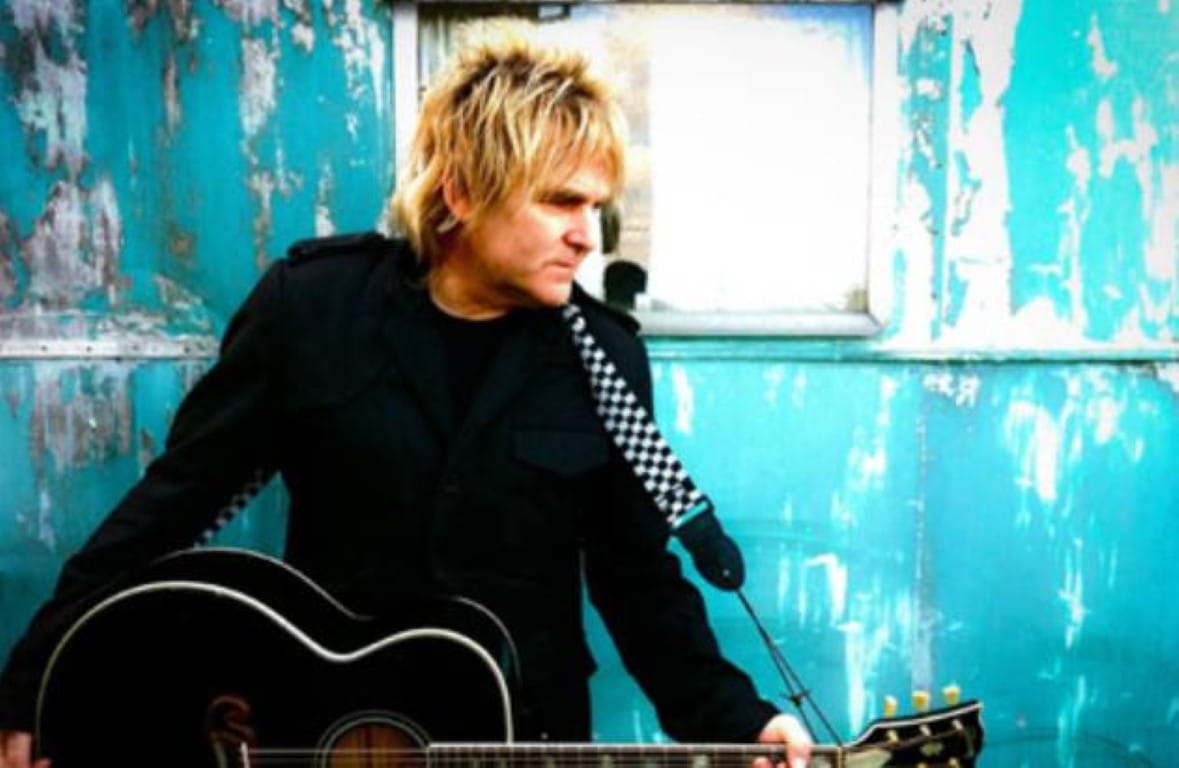
On April 29, 2025, Mike Peters, the charismatic leader of the Welsh band The Alarm, passed away at 66 after a three-decade battle with blood cancer. Initially diagnosed with chronic lymphocytic leukemia (CLL) in 1995 at age 36, Peters underwent multiple treatments, including chemotherapy and experimental therapies, to keep the disease at bay. In April 2024, a new diagnosis revealed that his CLL had progressed into Richter’s syndrome, an aggressive form of lymphoma, forcing him to cancel a 50-date U.S. tour. He was receiving treatment at the Christie NHS Foundation Trust in Manchester, a leading oncology center, where he underwent an innovative CAR-T therapy (Chimeric Antigen Receptor T-Cell Therapy). Despite achieving complete remission in September 2024, the cancer returned in October, and Peters succumbed to complications from the disease. His death was announced by a spokesperson for Love Hope Strength, the charity he co-founded with his wife, Jules Peters, to promote stem cell donation. The news shook fans worldwide, who celebrated not only his musical career but also his legacy as a cancer advocate. Peters is survived by his wife, Jules, 58, and their two sons, Dylan, 20, and Evan, 18.
Born in Prestatyn, North Wales, Peters rose to fame in the 1980s with The Alarm, a rock band blending punk, new wave, and Celtic influences. Hits like “Sixty Eight Guns” and “Strength” propelled the band to the UK Top 50, with over five million albums sold globally. Beyond his musical career, Peters dedicated much of his life to raising cancer awareness, especially after his initial diagnosis. Love Hope Strength, founded in 2006, registered over 250,000 people in international stem cell donor registries, identifying more than 4,500 potential matches for blood cancer patients. His resilience and passion for music kept him active even during treatments, with solo performances in the UK in 2024 while avoiding infections due to immunosuppression.
Peters’ journey is marked by a blend of artistic talent and activism. His ability to turn personal adversity into collective action inspired thousands of fans and patients. In a 2024 interview, he highlighted the “phenomenal” support from his followers, who sent messages and prayers after his Richter’s syndrome diagnosis. Despite a prognosis of just two months without treatment, Peters continued writing music, including a new album featuring his son Evan on drums, slated for posthumous release. His death leaves a void in the music scene and cancer advocacy, but his legacy endures through his music and Love Hope Strength.
Musical legacy of The Alarm
The Alarm emerged in Rhyl, Wales, in 1981, originally as a punk band called The Toilets. Under Mike Peters’ leadership, the group adopted a more melodic and emotional sound, influenced by bands like U2 and The Clash. Their 1983 single “Sixty Eight Guns” reached the UK Top 20 and paved the way for a U.S. tour alongside U2. The band stood out for lyrics addressing themes of resistance and hope, resonating with youth during a time of political and social tension in Britain. Other hits, such as “Strength,” “Rain in the Summertime,” and “Spirit of ’76,” cemented The Alarm as a force in 1980s alternative rock.
Peters, with his powerful voice and dynamic stage presence, was the heart of the band. He left The Alarm in 1991 to pursue a solo career but returned in 2000, reforming the group with new members, including his wife, Jules, on keyboards. The band continued releasing albums, with their latest, “Music Television,” from April 2024, featuring covers of MTV-era classics like songs by Dire Straits and David Bowie. Even during treatments, Peters used music as an emotional anchor, describing it as “complementary therapy” for facing cancer.
The Alarm’s impact extends beyond music. Peters used concerts to promote Love Hope Strength, organizing stem cell donation campaigns at festivals and shows. His dedication was recognized in 2019 with an Order of the British Empire (MBE) for services to cancer care in Wales and abroad. The band also supported local causes, such as composing “The Red Wall of Cymru,” an anthem for the Welsh national team at Euro 2020, reinforcing their connection to Welsh culture.
30-year battle with cancer
Mike Peters’ fight against cancer began in 1995 when he was diagnosed with non-Hodgkin lymphoma at 36. Ten years later, in 2005, he received a diagnosis of chronic lymphocytic leukemia (CLL), a slow-growing, incurable blood cancer. Over nearly three decades, Peters underwent four chemotherapy cycles, participated in clinical trials, and faced disease recurrences. His resilience was remarkable, maintaining an active career while managing intensive treatments.
In April 2024, a new challenge arose. While preparing for a U.S. tour, Peters noticed a lump in his neck while shaving. An emergency scan revealed Richter’s syndrome, a rare and aggressive transformation of CLL into high-grade lymphoma, affecting only 2 to 10% of CLL patients. Without immediate treatment, he had just two months to live. Peters was admitted to the Christie NHS Foundation Trust, where he joined a phase II clinical trial combining the targeted therapy acalabrutinib with standard chemotherapy. The treatment led to complete remission in August 2024, but the joy was short-lived: the lymphoma returned in October, requiring further chemotherapy and preparation for CAR-T therapy.
- Initial diagnosis of non-Hodgkin lymphoma in 1995 at age 36.
- Diagnosis of chronic lymphocytic leukemia (CLL) in 2005.
- Transformation to Richter’s syndrome in April 2024, with a two-month prognosis without treatment.
- Complete remission in August 2024, followed by relapse in October.
Love Hope Strength and the push for stem cell donors
The establishment of the Love Hope Strength Foundation in 2006 by Mike and Jules Peters was a direct response to their experiences with cancer. Jules, diagnosed with breast cancer in 2016, also overcame the disease, and the couple turned their personal struggles into a global mission. The foundation organizes campaigns at rock concerts, festivals, and sporting events, encouraging people to register as stem cell donors. Its “Get on the List” campaign has added over 250,000 people to international registries, resulting in more than 4,500 potential matches for patients with blood cancers.
Love Hope Strength also launched the “One in a Million” campaign in 2024, aiming to double the number of registered donors. Peters, who needed a stem cell transplant, emphasized the importance of finding a compatible donor, as only 30% of patients have a family match. He urged people aged 17 to 55 to register, highlighting that the process involves a simple cheek swab. The foundation partners with the DKMS charity, which stresses that only 60% of patients find a compatible donor, making increased registrations a critical priority.
The foundation’s impact is measurable. Since its inception, it has identified donors for patients in over 20 countries, including cases of children and young adults with leukemia. Peters often shared success stories at concerts, such as a fan who became a donor after a show and saved a life. Even in his final months, he continued promoting the campaign, emphasizing that his personal fight was also a collective one.
Impact of Richter’s syndrome
Richter’s syndrome is a rare complication of chronic lymphocytic leukemia, characterized by the transformation of the cancer into a high-grade lymphoma, typically diffuse large B-cell lymphoma. Affecting 2% to 10% of CLL patients, the condition is known for its aggressiveness, with a median survival of 12 to 24 months, even with intensive treatment. Symptoms include fever, night sweats, weight loss, and swollen lymph nodes, like the lump Peters discovered in April 2024.
Treating Richter’s syndrome is challenging due to resistance to conventional therapies. The combination of acalabrutinib and chemotherapy, tested in the STELLAR clinical trial at the Christie, offered hope for Peters. The drug, already approved for CLL, was used innovatively for Richter’s syndrome, with promising results: scans in August 2024 showed no cancer. However, the October relapse underscored the difficulty of maintaining remission, especially in advanced cases. The CAR-T therapy, planned for Peters, involves reprogramming the patient’s immune cells to attack cancer but requires a 40-day isolation period due to its impact on the immune system.
Peters’ experience with Richter’s syndrome brought attention to the need for research into more effective treatments. The STELLAR trial, funded by Blood Cancer UK, is part of a broader effort to improve survival rates for this rare condition. Data from 2024 indicate that only 20% of Richter’s syndrome patients achieve lasting remission with standard chemotherapy, underscoring the importance of innovative therapies like CAR-T and acalabrutinib combinations.
CAR-T therapy and treatment advances
The CAR-T therapy, which Peters began in January 2025, is among the most advanced treatments for blood cancers. The process involves collecting the patient’s T-cells, genetically modifying them in a lab to target cancer cells, and reinfusing them into the patient, where they continue to fight the disease. For Peters, his cells were collected in December 2024 and sent to a specialized lab, with reinfusion occurring in early 2025.
Performed at the Christie, the treatment requires close monitoring due to severe side effects, such as cytokine release syndrome and neurotoxicity. Patients like Peters are regularly assessed to ensure basic functions, like writing and counting, remain unaffected. Despite the risks, CAR-T has shown response rates of up to 70% in aggressive lymphomas, offering hope for cases like Richter’s syndrome. If the therapy failed, Peters would have needed a stem cell transplant from an unrelated donor, reinforcing his campaign for more donors.
The Christie is a global leader in innovative therapies, with about 900 clinical trials underway. Peters’ participation in the STELLAR trial and CAR-T highlights the role of specialized centers in advancing cancer treatment. Blood Cancer UK, which funds part of this research, estimates that 15,000 people are diagnosed with leukemia in the UK annually, and trials like STELLAR are critical to improving outcomes.
Music’s role in Peters’ life
Music was a constant in Mike Peters’ life, even during his darkest moments. During treatments, he continued writing and performing, using music to maintain mental health. In 2024, he held solo shows in the UK, including performances with Status Quo and Big Country, carefully scheduled to align with the end of chemotherapy cycles when his immunity was stronger. These performances, he said, were essential to “not letting cancer consume him.”
Peters also worked on a new album featuring his son Evan on drums. Described as a celebration of life, the project reflects his belief that music is a “complementary therapy.” He also wrote the first volume of his autobiography, “Love, Hope and Strength,” with 158,000 words, delivered in 2024, and planned to complete volumes two and three during treatment. Writing, like music, was a way to process his journey and inspire others.
- Solo shows in 2024, avoiding full tours to protect health.
- New album with Evan Peters, set for posthumous release.
- Autobiography “Love, Hope and Strength,” with first volume completed.
- Music used as mental therapy during treatments.
Support from family and fans
Peters’ family was a vital pillar in his fight. Jules Peters, his wife of 39 years, faced her own breast cancer diagnosis in 2016 and stood by Mike every step of the way. She described Richter’s syndrome as a moment when she felt “it was the end for both,” but held hope in CAR-T therapy, which could “transform” her husband. Their sons, Dylan and Evan, also provided emotional support, with Evan contributing to the new album.
The Alarm’s fans played a crucial role. After the 2024 diagnosis, Peters received thousands of supportive messages, which he called “phenomenal.” Fans worldwide, including leukemia specialists who admired the band, offered advice and connections to top doctors. This support network strengthened Peters’ resolve, and he saw fans as an extension of his family. He also used his platform to promote Love Hope Strength, turning affection into action for other patients.
The Welsh community, where Peters was a beloved figure, rallied around him. Tributes after his death highlighted his ties to Prestatyn and Dyserth, where he supported local causes. The Football Association of Wales noted his contribution to the Euro 2020 anthem, while locals organized vigils in his honor.
Timeline of Peters’ cancer battle
Mike Peters’ cancer journey spanned three decades, marked by hope and challenges. Below is a summary of key dates and events:
- 1995: Diagnosed with non-Hodgkin lymphoma, treated with chemotherapy.
- 2005: Diagnosed with chronic lymphocytic leukemia (CLL), starting regular treatments.
- 2006: Founded Love Hope Strength with Jules Peters.
- 2016: Jules Peters diagnosed with breast cancer, overcome with treatment.
- April 2024: Diagnosed with Richter’s syndrome after discovering a neck lump.
- August 2024: Complete remission after STELLAR trial with acalabrutinib.
- October 2024: Relapse of Richter’s syndrome, starting chemotherapy.
- January 2025: Began CAR-T therapy at Christie NHS Foundation Trust.
- April 29, 2025: Passed away at 66.
This timeline reflects Peters’ persistence, facing multiple relapses while maintaining his career and activism.
Global impact of Love Hope Strength
Love Hope Strength is not just a charity but a global movement that has changed thousands of lives with blood cancer. Operating in over 20 countries, the foundation uses music to engage, hosting donor registration drives at festivals like Glastonbury and Lollapalooza. The “Get on the List” campaign, run with DKMS, facilitates donor registration through mailed cheek swabs.
The results are striking: over 4,500 donor matches have been identified, offering hope to patients facing grim prognoses without a transplant. The foundation also funds research, like the STELLAR trial, and raises awareness about early diagnosis. After Peters’ death, Love Hope Strength announced it would continue its work, with Jules Peters taking a leadership role to honor her husband’s legacy.
The foundation has inspired other celebrities to join the cause. Artists like Jon Bon Jovi and Bruce Springsteen, who performed with Peters, participated in Love Hope Strength events, expanding its reach. The organization plans to grow the “One in a Million” campaign in 2025, aiming to register 500,000 donors by year-end, a tribute to Peters’ lasting impact.
Tributes and legacy
Mike Peters’ death sparked a wave of tributes in the UK and beyond. Fans flooded social media with messages, sharing memories of concerts and thanking his activism. Bands like U2 and Status Quo issued statements mourning the loss of a “rock and humanity giant.” In Wales, community leaders highlighted his contributions to local culture, while Blood Cancer UK praised his courage in joining clinical trials that could benefit future patients.
The Christie NHS Foundation Trust, where Peters was treated, announced a fund in his honor to support Richter’s syndrome research. The hospital also plans to name a hematology ward after Peters, recognizing his influence on thousands of patients. Love Hope Strength launched a posthumous campaign, “Mike’s Million,” encouraging donations in the musician’s name to fund stem cell transplants.
Peters’ legacy lives on in his music. The Alarm announced that the new album, featuring Evan, will be released in 2025, with proceeds partly benefiting Love Hope Strength. Tribute concerts are planned in Dyserth and Rhyl, with Welsh artists uniting to celebrate his life. His partially completed autobiography will be published posthumously, offering an intimate account of his journey.