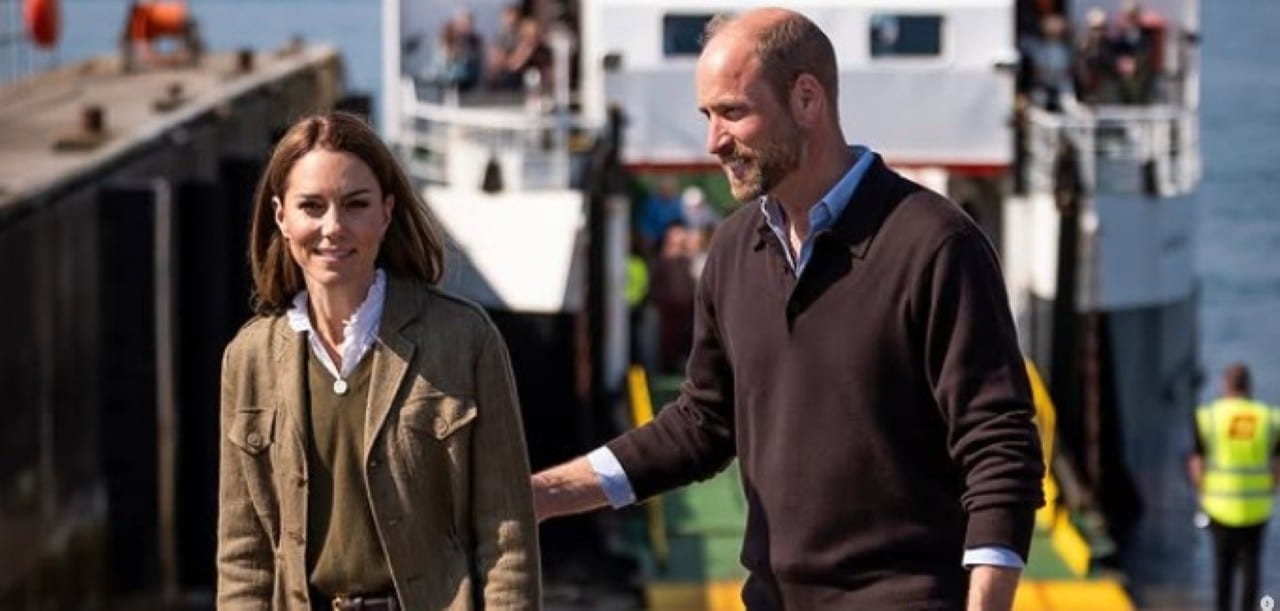
On a crisp spring morning, the vibrant harbor of Tobermory on the Isle of Mull welcomed distinguished guests. The Duke and Duchess of Rothesay, widely known as Prince William and Kate Middleton, arrived for a two-day visit focused on fostering social connections and environmental preservation. Held on April 29 and 30, 2025, the trip celebrated the traditions and lifestyles of Scotland’s insular communities. The selection of Mull and Iona, with their pristine landscapes and tight-knit populations, underscored the royal couple’s commitment to environmental causes and strengthening human bonds in rural areas.
The visit held special significance for the couple, who first met in 2001 at the University of St. Andrews in Scotland. Over the two days, they engaged with locals, participated in outdoor activities, and announced initiatives to support community projects. Their itinerary ranged from community centers to ancient woodlands, emphasizing the value of shared spaces and nature conservation.
The royal engagements on the islands conveyed a clear message:
- Promote rural community ties through spaces like Aros Hall.
- Encourage environmental education for children via programs like Ardura Acorns.
- Support habitat conservation, such as the Ardura Community Forest.
- Highlight sustainable production, exemplified by ventures like Croft 3 farm.
Locals warmly welcomed the couple, seeing the visit as a chance to showcase their traditions and challenges. The royal presence also drew global attention to the islands, renowned for their biodiversity and ancient history.
Historical significance of the visit
The choice of Mull and Iona was deliberate. Iona, home to a 6th-century abbey founded by St. Columba, is a spiritual and historical landmark in Scotland, drawing thousands of pilgrims yearly. Mull, the fourth-largest Scottish island, thrives on tourism, agriculture, and fishing, with an economy reliant on harmony with nature. The visit by the Duke and Duchess of Rothesay, titles used by the British heir in Scotland, underscored the islands’ cultural and environmental importance to the United Kingdom.
For centuries, the Hebrides, including Mull and Iona, have shaped Scotland’s identity. Isolated by the sea, these communities developed a strong sense of cooperation and resilience. The royal agenda highlighted how these traditional values can inspire modern solutions to global issues like loneliness and environmental degradation.
During the visit, the Royal Foundation of The Prince and Princess of Wales announced a partnership to bolster two community spaces on Mull. These venues, such as Aros Hall, are vital for socialization and well-being in rural areas where geographic isolation can pose challenges. The initiative aims to ensure these spaces remain hubs for cultural and social activities.
Aros Hall as Tobermory’s heart
On the first day, the couple visited Aros Hall, a historic building from the late 19th century that serves as Tobermory’s community hub. The hall hosts events ranging from weddings and theater productions to farmers’ markets and children’s playgroups. Its role extends beyond entertainment, fostering connections among residents in a rural setting.
Aros Hall also organizes the Tobermory Farmers’ Market, held weekly at the town’s harbor. The Duke and Duchess strolled through the stalls, sampling artisanal cheeses, homemade bread, and other local goods. They met artisans and farmers, hearing stories of families preserving centuries-old traditions. The market, with its vivid colors and fresh food aromas, showcased the community’s pride in local production.
The visit highlighted tourism’s economic impact on the island. With a population of about 3,000, Mull attracts thousands of visitors annually, drawn by its dramatic landscapes and diverse wildlife. The widely covered royal visit is expected to further boost interest in the region, benefiting small businesses.
- Aros Hall activities: Weekly farmers’ market, sewing club, seniors’ lunch group, and children’s play area.
- Environmental impact: The Community Fridge diverted over 60 tons of waste from landfills in 2024.
- Royal support: The Royal Foundation pledged funds to modernize the hall and expand its programs.
Exploring sustainable production
Still in Tobermory, the couple toured Croft 3, a farm and restaurant combining agriculture, livestock, and sustainable gastronomy. Spanning 50 acres, the farm exemplifies how local production can reduce carbon footprints and bolster the island’s economy. The Duke and Duchess helped select fresh vegetables from the gardens and met a herd of Hebridean sheep, a native breed suited to the region’s harsh climate.
Croft 3’s restaurant, which prioritizes farm-grown or locally sourced ingredients, hosted the couple for lunch. The menu featured dishes celebrating Scottish cuisine, such as seafood stews and vegetable pies. The visit emphasized the value of farming practices that respect the environment and promote rural self-sufficiency.
The farm also serves as an educational hub, offering workshops on regenerative agriculture and soil management. These programs attract both residents and visitors eager to learn scalable techniques. The royal visit amplified these efforts, reinforcing the message that sustainability begins with local action.
Nature connection in Ardura
On the second day, the focus shifted to conservation with a trek through the Ardura Community Forest on Mull. Part of Scotland’s Atlantic rainforest, this forest is among the UK’s rarest and most valuable habitats. Owned by the community since 2010, it has undergone extensive restoration to protect its biodiversity, including species like white-tailed eagles, red deer, and native plants.
The Duke and Duchess joined the Mull and Iona Ranger Service, which plays a key role in forest management and environmental education. The rangers collaborate with local schools to teach children about preserving their natural surroundings. During the visit, the couple participated in activities with Ardura Acorns, a program for children aged 0-5. Activities included guided trails, building natural shelters, and storytelling inspired by wildlife.
The Royal Foundation announced funding for the Ranger Service to sustain its conservation and educational programs. The initiative includes training new rangers to serve as biodiversity ambassadors. The forest, with its ancient oaks and clear streams, provided a backdrop for discussions on community-led environmental protection.
- Ardura biodiversity: The forest supports over 200 plant species and 50 bird species.
- Educational programs: Over 500 children engage in outdoor activities annually.
- Forest restoration: Since 2010, over 10,000 native trees have been planted.
- Royal support: Funding for new equipment and ranger training.
Community life in Iona
The final leg of the visit took the couple to Iona, reached by a short ferry ride from Mull. With just 170 residents, Iona is known for its serenity and historic abbey, one of Europe’s oldest spiritual centers. The island attracts about 130,000 visitors annually, many seeking retreats or its untouched beaches.
The Duke and Duchess met ferry operators, crucial for connectivity between the islands and the mainland. Ferries transport not only people but also essential supplies like food and building materials. The couple discussed the challenges of island life, including reliance on maritime services and climate change impacts, with residents.
Interactions in Iona highlighted the islanders’ resilience, maintaining traditions like weaving and artisanal fishing. The couple visited a small community center where local children shared drawings inspired by the region’s marine life. The visit underscored the need to support infrastructure, such as ferry routes and communal spaces, that sustains island life.
Farmers’ market and local crafts
Back in Tobermory, the Farmers’ Market was a highlight of the first day. Held at the harbor, the market features about 20 vendors weekly, offering organic honey, handmade jewelry, and more. The Duke and Duchess spent an hour at the market, tasting products and chatting with vendors.
Artisans shared how the market supports their livelihoods and preserves traditional crafts. One vendor, a goat cheese producer, noted growing demand for local goods, fueled by tourism. The royal visit sparked optimism among vendors, who anticipate a sales boost from media exposure.
The Royal Foundation plans to support the market’s expansion, including an online sales platform and workshops to train new artisans. These efforts aim to strengthen the local economy and ensure young islanders have opportunities to stay in the region.
Outdoor education with Ardura Acorns
The Ardura Acorns group, serving young children, was another focal point. Designed to foster outdoor learning, the group organizes nature-based activities. During the trek with the Duke and Duchess, children built twig shelters, tracked animal prints, and listened to wildlife-inspired stories.
The Duchess, an advocate for early childhood development, engaged with caregivers about the benefits of nature exposure. Research shows that children in natural settings develop greater creativity and emotional resilience. Serving about 50 families, Ardura Acorns plans to expand with Royal Foundation support, gaining visibility to inspire similar rural programs.
Volunteer rangers, many local, guide the group, teaching children about protecting native species like the red squirrel, threatened by invasive species. The royal visit spotlighted the program’s value, encouraging other communities to adopt outdoor education.
Ferry service and island connectivity
The ferry crossing to Iona was a symbolic moment, highlighting the importance of maritime services. Operated by a local cooperative, the Iona ferry carries about 200,000 passengers yearly, including tourists and residents. The Duke and Duchess discussed maintenance costs and weather-related challenges with operators.
Iona’s residents rely on the ferry for access to medical care, education, and mainland markets. During the pandemic, service disruptions underscored the need for infrastructure investment. The Royal Foundation is exploring partnerships to modernize vessels, enhancing efficiency and sustainability.
The ferry visit included interactions with local students, who shared their experiences of island life. Many expressed pride in Iona’s cultural heritage but voiced concerns about limited job opportunities for youth. The royal presence offered hope that their concerns would reach a broader audience.
Conservation of Scotland’s Atlantic rainforest
The Ardura Community Forest exemplifies community-led conservation. Acquired by residents in 2010, it transformed from a degraded area into a biodiversity sanctuary. Native tree replanting, including oaks and birches, restored much of the original habitat, attracting rare species like the white-tailed eagle.
The Mull and Iona Ranger Service monitors wildlife and coordinates restoration efforts. During the visit, the Duke and Duchess learned about forest management techniques balancing conservation with sustainable land use. They planted a symbolic tree, marking their commitment to environmental stewardship.
The forest also serves as a wellness space, offering solace for residents and visitors. Guided trails, led by rangers, draw global hikers seeking Scotland’s wild beauty. The royal visit highlighted ecotourism’s potential as a revenue source, provided it’s managed responsibly.
- Protected species: The forest hosts the white-tailed eagle, reintroduced to Scotland in the 1970s.
- Ecotourism: Over 5,000 visitors explore Ardura’s trails annually.
- Restoration: Native tree cover increased by 20% since 2010.
Cultural traditions in focus
The visit also celebrated the islands’ cultural traditions, including ceilidh dances, weaving, and folk music. In Tobermory, the couple watched a brief dance performance at Aros Hall by local youth. Accompanied by bagpipes, these dances are central to Scottish identity, passed down through generations.
In Iona, residents shared stories about the abbey’s role as a medieval learning center. Still a pilgrimage site, the abbey draws visitors seeking spirituality and history. The couple toured the site, discussing preservation efforts with volunteer guides.
Island cuisine reflected the deep connection to land and sea. At Croft 3, the Duke and Duchess sampled dishes like smoked salmon and seaweed bread, blending local ingredients with modern techniques. These flavors underscored the islanders’ bond with their environment.
Support for rural communities
The Royal Foundation announced several initiatives during the visit, all aimed at strengthening rural communities. Beyond supporting Aros Hall and the Ranger Service, the foundation will fund youth training programs in Mull and Iona, covering sustainable tourism, agriculture, and conservation.
These investments address rural challenges like aging populations and youth migration to urban centers. In Mull, the average resident age is notably higher than in cities like Edinburgh. Programs like Ardura Acorns and the Farmers’ Market create opportunities for younger generations to stay.
The visit highlighted the value of public-private-community partnerships. Collaboration between the Royal Foundation, the Scottish government, and local groups will be key to implementing the announced initiatives. Residents expressed optimism about economic growth and cultural preservation spurred by the visit.
Legacy of the royal visit
The Duke and Duchess of Rothesay’s visit left a lasting impact on Mull and Iona. Global media coverage spotlighted the islands’ natural beauty and cultural heritage. For locals, the royal presence validated their efforts to build a sustainable future while honoring their roots.
The Royal Foundation’s initiatives, including support for community spaces and conservation, promise tangible benefits in the years ahead. In Tobermory, Aros Hall plans [plans to expand its programs, while the Ranger Service prepares new educational projects. Croft 3 anticipates more visitors interested in sustainable farming.
The visit also reinforced the British monarchy’s role in advocating for social and environmental causes. By showcasing Mull and Iona’s community efforts, the Duke and Duchess demonstrated how local actions can resonate globally. Their message of connection, sustainability, and resilience extended beyond the islands, inspiring other regions to value their traditions and resources.