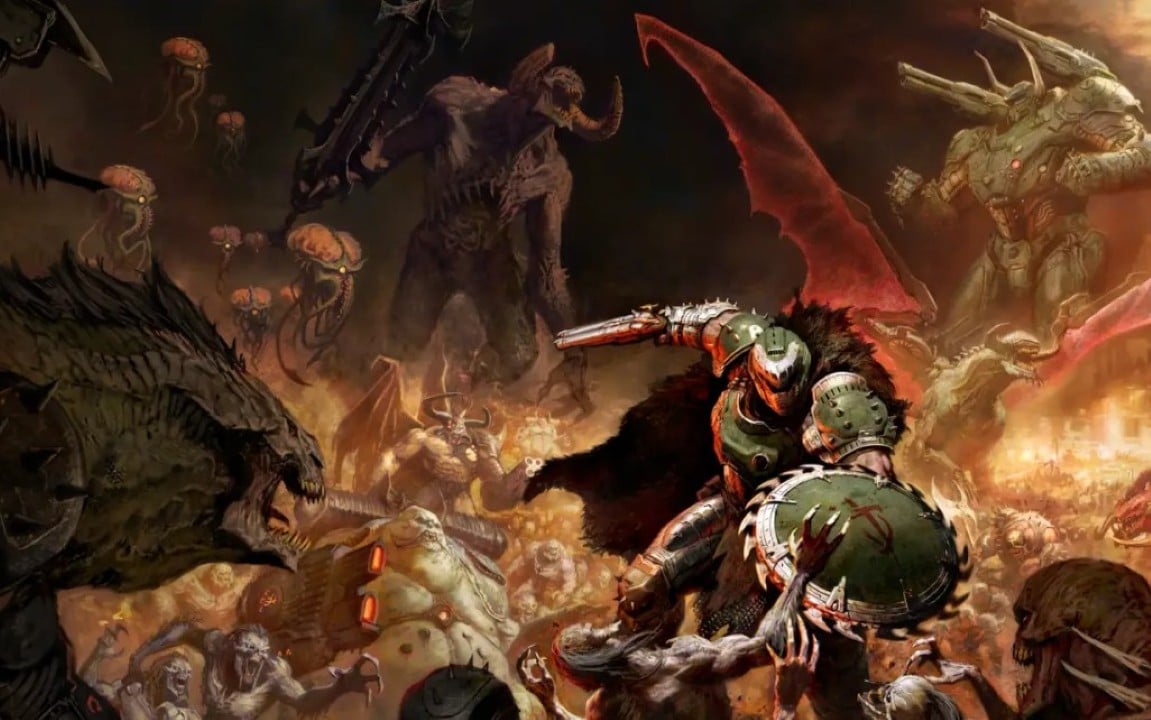
A new chapter in the iconic Doom franchise has arrived, transporting players to a blood-soaked medieval world. Doom: The Dark Ages, launched on May 15, 2025, serves as a prequel to Doom (2016) and Doom Eternal, reimagining the Doom Slayer’s origins with a gritty, fantasy-inspired setting. Developed by id Software and published by Bethesda Softworks, the game is available on PlayStation 5, Xbox Series X/S, and PC, with day-one access on Xbox Game Pass. This single-player, action-packed first-person shooter introduces a heavier, more defensive combat style, blending traditional Doom gunplay with innovative mechanics like the Shield Saw.
The game’s medieval aesthetic, featuring stone castles and demonic hordes, marks a bold departure from the sci-fi corridors of past titles. With 22 chapters and a 12-to-15-hour campaign, Doom: The Dark Ages offers one of the franchise’s most expansive experiences. Its release has generated significant buzz, with reviews praising the combat’s intensity while noting varied pacing in certain segments. Key elements include:
- A new Shield Saw for blocking, parrying, and slicing through enemies.
- Medieval-inspired weapons like the Skull Crusher and Reaver Chainshot.
- Cinematic cutscenes exploring the Doom Slayer’s early battles against Hell.
- Dragon-riding and mech sequences for large-scale combat.
This launch reinforces id Software’s reputation for delivering visceral, high-energy shooters that captivate both veterans and newcomers.
New combat philosophy reshapes gameplay
Doom: The Dark Ages introduces a “stand and fight” approach, moving away from the high-mobility focus of Doom Eternal. The Doom Slayer, depicted as a beefier, iron-clad warrior, feels like a tank in this prequel. Game director Hugo Martin described the character as a “Year One Slayer,” inspired by Frank Miller’s gritty storytelling. This shift emphasizes weighty, deliberate combat, with the Shield Saw as a central mechanic.
Players can block projectiles, parry attacks, and throw the shield to rip through demon hordes. The shield integrates seamlessly with the arsenal, creating synergies like overheating enemy armor with gunfire and finishing them with a shield toss. This system adds depth to the frenetic combat loop, requiring strategic timing and positioning. Reviews highlight the shield’s natural fit, with some players noting it’s now integral to their Doom muscle memory.
The game’s difficulty settings, ranging from easy to Ultra-Nightmare, cater to diverse skill levels. Ultra-Nightmare, where death deletes the save file, remains a daunting challenge for hardcore fans. The customizable difficulty makes the game accessible, positioning it as an entry point for new players while retaining the series’ punishing core.
Medieval setting anchors dark fantasy
The game’s setting plunges players into a dark, medieval world of crumbling kingdoms and demonic invasions. Burning castles and ancient ruins replace the futuristic labs of previous titles, creating a heavy metal-inspired aesthetic. The Doom Slayer, clad in spiked armor and a fur cape, navigates this brutal landscape, wielding an arsenal that blends sci-fi and fantasy elements.
This prequel explores the Slayer’s early encounters with Hell’s forces, set before the events of Doom (2016). The narrative, delivered through cinematic cutscenes, delves into the origins of his rage, though some reviews note the story’s self-serious tone lacks the sly humor of earlier entries. The world design, powered by the latest idTech engine, delivers striking visuals, from neon-lit floating cities to Lovecraftian Cosmic Realms filled with squid-like horrors.
Key locations, like the Holy City of Aratum in Chapter 5, stand out for their scale and creativity. Players pilot a Mecha Dragon with crackling red wings, engaging in aerial dogfights and ground-based battles. These moments, paired with the game’s metal soundtrack, create an over-the-top experience that embraces the franchise’s chaotic spirit.
Innovative weapons redefine demon-slaying
The arsenal in Doom: The Dark Ages blends classic Doom weapons with medieval-flavored additions. The Super Shotgun remains a fan favorite, delivering devastating close-range blasts. New weapons, like the Skull Crusher, chew up demon bones and spew fragments in a wide arc, while the Reaver Chainshot fires heavy iron balls that return to the player.
Each weapon offers upgradeable alt-fire modes, unlocked with loot from the battlefield or hidden areas. For example, the shield can be upgraded to solve environmental puzzles, adding a layer of exploration to the campaign. The game’s combat loop encourages players to combine weapons and melee attacks, with unsynced Glory Kills allowing fluid executions of staggered enemies.
Notable weapons include:
- Shield Saw: Blocks, parries, and slices through demons.
- Skull Crusher: Grinds bones into a deadly spray.
- Reaver Chainshot: Fires retrievable iron balls for heavy damage.
- Laser Rifle: Impales enemies with massive spikes.
These tools, paired with the shield’s versatility, create a dynamic combat system that keeps players engaged across the campaign’s 22 chapters.
Expansive campaign offers variety
With 22 levels, nearly double the 13 missions of Doom (2016) and Doom Eternal, Doom: The Dark Ages boasts the franchise’s largest campaign. The 12-to-15-hour runtime includes diverse environments, from castle battlegrounds to floating cities and Hell’s depths. Each chapter introduces new enemies, weapons, or mechanics, maintaining a fresh pace despite some criticism of uneven segments like mech battles.
The game’s open-ended design encourages exploration, with hidden collectibles and upgrade points tucked into secret areas. Players can unlock multiple melee attacks, from punches to a heavy mace, though these operate on cooldowns to balance their power. The campaign’s length and variety cater to both speedrunners and completionists, offering replayability through difficulty modes and collectible hunts.
The inclusion of a dragon mount and Atlan mech adds spectacle, though reviews note these sequences can feel simplistic compared to the core gunplay. The dragon-riding sections, in particular, shine in levels like the Holy City, where players weave through aerial combat with flying demons and gunships.
Multi-platform launch broadens access
Doom: The Dark Ages launched simultaneously on PlayStation 5, Xbox Series X/S, and PC, reflecting Microsoft’s multi-platform strategy despite owning Bethesda. The game’s day-one availability on Xbox Game Pass has made it accessible to millions of subscribers, allowing players to dive in without additional cost. PC specs, released in January 2025, ensure the game runs on a range of hardware, from mid-tier rigs to high-end systems.
The decision to avoid console exclusivity stems from the franchise’s history across platforms. Xbox head Phil Spencer emphasized that Doom belongs to all gamers, a sentiment echoed by id Software’s Marty Stratton. The game’s cross-platform approach has boosted its reach, with early sales figures suggesting strong performance across all systems.
Pre-order bonuses include the Void Doom Slayer Skin and a weapon skin pack, while the Collector’s Edition, priced at $149.99, offers a 12-inch statue, steelbook case, cloth map, and metal demon medallion. Deluxe Edition buyers gain access to a beta test and additional skins, including a white-and-gold Doom Slayer ensemble.
Critical reception highlights strengths
Reviews for Doom: The Dark Ages, released on May 9, 2025, praise its combat and bold reinvention. Metacritic scores range from 83 to 86, with the PC version averaging 86, while OpenCritic reports an 88. Critics laud the shield-based mechanics and medieval aesthetic, though some note pacing issues in vehicle and mech sequences.
Standout reviews include Windows Central’s 5/5 rating and PlayStation Universe’s 9.5/10, which highlight the game’s “fantastic combat” and “epic scale.” However, outlets like Eurogamer (4/5) and Comicbook (8/10) point out that new features like the melee focus don’t always match the polish of Doom Eternal’s mobility-driven gameplay. Social media posts reflect similar sentiment, with fans praising the gorefest while acknowledging minor flaws in pacing.
Notable review points include:
- Combat is among the series’ best, with fluid, weighty mechanics.
- The medieval setting adds a fresh, visually striking layer.
- Dragon and mech sequences are ambitious but occasionally flat.
- The shield’s integration elevates tactical depth.
- Story cutscenes are visually impressive but overly serious.
These reviews position Doom: The Dark Ages as a strong contender for 2025’s best shooter, despite not surpassing Doom Eternal’s high bar for some critics.
Narrative dives into Slayer’s origins
The game’s story centers on the Doom Slayer’s early battles, set in the dimension of the Argenta, a human-like race from Doom Eternal’s lore. After being welcomed by the Argenta’s Night Sentinels, the Slayer faces a demonic invasion, setting the stage for his eternal crusade. The narrative, delivered through Diablo-esque cutscenes, explores political machinations in Hell and the Slayer’s transformation into a legend.
While the story is more prominent than in past titles, some critics find it overly serious, missing the campy charm of Doom (2016). The inclusion of codex entries provides deeper lore for dedicated fans, detailing the Argenta’s culture and Hell’s hierarchy. The Cosmic Realm, introduced later, adds a Lovecraftian twist, with squid-filled environments that amplify the game’s surreal vibe.
The Slayer’s design, featuring a fur cape and spiked armor, reflects his medieval roots. Easter eggs, like a pixelated Doomguy face in the HUD options, nod to the series’ history, delighting longtime fans.
Gameplay mechanics evolve with shield
The shield-based combat system marks a significant evolution for the franchise. By leaning on the physics engine, id Software has polished Glory Kills, allowing players to chain melee executions without waiting for synced animations. This fluidity enhances the “rip and tear” ethos, making battles feel more dynamic.
Parrying, a new mechanic, creates openings for counterattacks, rewarding precise timing. The shield also serves as a puzzle-solving tool, interacting with glowing objects to unlock paths or secrets. Combined with the game’s arsenal, these mechanics create a combat loop that remains engaging across the campaign’s 15 hours.
The game’s pacing benefits from varied enemy types, from nimble Imps to towering Hell Knights. Each enemy requires specific strategies, encouraging players to switch weapons and tactics. The shield’s ability to block projectiles adds a defensive layer, balancing the series’ aggressive playstyle.
Technical excellence powers visuals
Doom: The Dark Ages leverages the idTech engine to deliver stunning visuals and smooth performance. The game runs at 4K resolution on PS5 and Xbox Series X, with PC versions supporting a range of settings for broader accessibility. The medieval world, with its fire-lit castles and demonic ruins, creates a cohesive aesthetic that blends dark fantasy with sci-fi horror.
The soundtrack, while not composed by Mick Gordon due to past disputes, maintains the series’ heavy metal energy. Fast-paced guitar riffs and pounding drums accompany the action, amplifying the game’s intensity. Sound design, from the crunch of Glory Kills to the roar of the Mecha Dragon, enhances immersion across all platforms.
The game’s technical polish extends to its accessibility features, including customizable controls and difficulty sliders. These options ensure that players of all skill levels can enjoy the experience, from casual gamers to Ultra-Nightmare veterans.
Cultural resonance of Doom’s legacy
The Doom franchise, born in 1993, has long been a cultural touchstone for gamers. Doom: The Dark Ages builds on this legacy by returning to the slower, projectile-dodging roots of the original while introducing modern flourishes. The game’s medieval setting draws inspiration from classic Doom’s heavy metal album art, creating a nostalgic yet fresh experience.
Social media buzz, particularly on platforms like X, highlights the game’s appeal. Posts from fans and critics alike praise the “joyous gorefest” and “weighty combat,” though some express mixed feelings about the mech sequences. The game’s release coincides with a renewed interest in retro-inspired shooters, positioning it as a leader in the genre.
The franchise’s evolution reflects its adaptability: from the groundbreaking Classic Doom to the horror-focused Doom 3, the rebooted Doom (2016), and the mobility-driven Doom Eternal. Doom: The Dark Ages carves its own path, blending tradition with innovation to deliver a distinct chapter.
Collector’s Edition adds value
The Collector’s Edition, priced at $149.99, has drawn attention for its premium offerings. The package includes a 12-inch Doom Slayer statue in medieval armor, a steelbook case, a cloth map of the game world, and a metal demon medallion. Digital perks, such as the Ultimate Edition’s content and a beta test, enhance its appeal for collectors.
Pre-orders for the standard edition, priced at $69.99, include the Void Doom Slayer Skin and a weapon skin pack. Deluxe Edition buyers receive additional skins and early access to future content. These editions cater to the franchise’s dedicated fanbase, with the statue and map serving as tangible connections to the game’s world.
The game’s day-one Game Pass availability has also driven engagement, with subscribers praising the ability to play without upfront costs. This accessibility, combined with the Collector’s Edition’s exclusivity, ensures Doom: The Dark Ages appeals to both casual players and diehard fans.
