
Forbes magazine unveiled its 2025 list of the world’s highest-paid athletes, showcasing staggering figures that underline the global financial power of sports. Cristiano Ronaldo, the football superstar, heads the ranking with earnings of $275 million, blending salary and sponsorships. His top spot highlights not only his on-field prowess but also his ability to attract global brands.
The Forbes ranking reveals the diversity of sports generating massive wealth, with athletes from various disciplines in the top 10. Figures like Stephen Curry from the NBA and Tyson Fury from boxing follow Ronaldo, underscoring the strength of markets like basketball and boxing.
This annual list serves as a barometer of the economic impact of sports, showing how talent and popularity translate into multimillion-dollar fortunes. The presence of football, basketball, baseball, and American football players reinforces the global relevance of different leagues.
- Ranking highlights:
- Cristiano Ronaldo: $275 million (football).
- Stephen Curry: $156 million (basketball).
- Tyson Fury: $146 million (boxing).
- Lionel Messi and Karim Benzema in the top 10.
Cristiano Ronaldo’s financial rise
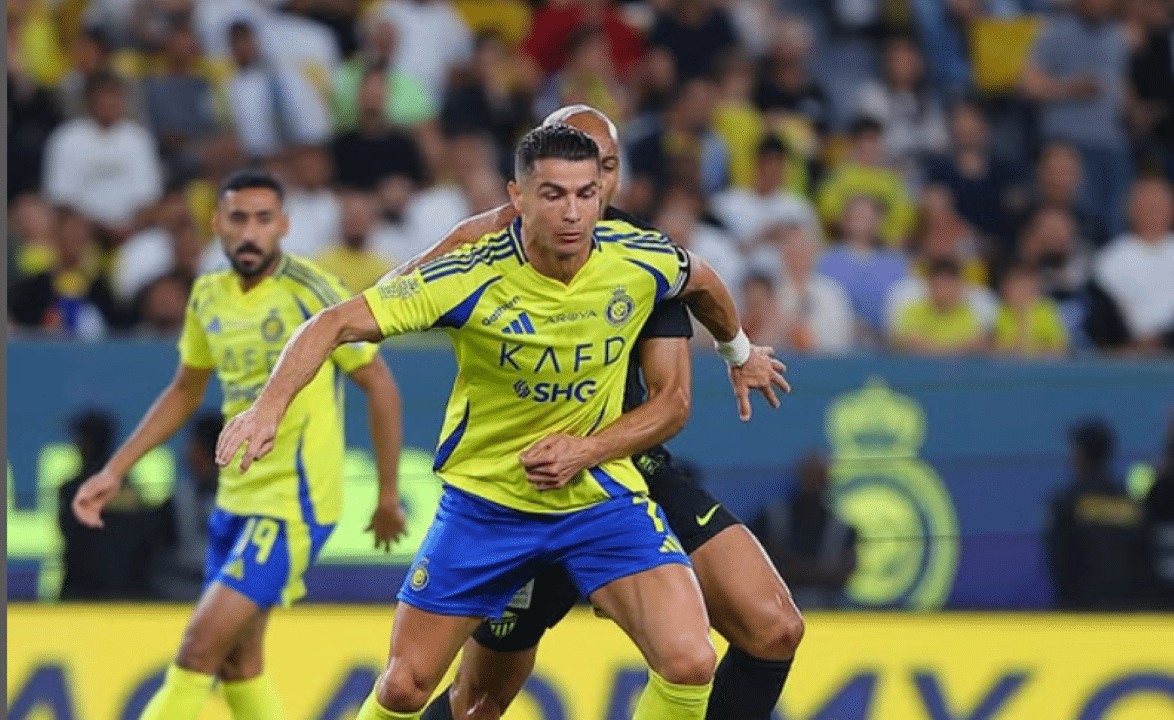
Cristiano Ronaldo, currently with Al-Nassr in Saudi Arabia, solidified his position as the world’s highest-paid athlete in 2025. His $275 million in earnings combines a hefty salary with sponsorship deals from brands like Nike, Herbalife, and Binance. Ronaldo’s knack for securing lucrative partnerships reflects his global influence, especially in emerging markets.
Off the pitch, the Portuguese star shines as a social media powerhouse, boasting over 600 million Instagram followers as of May 2025. This digital presence amplifies his value to sponsors seeking global audiences. Each of Ronaldo’s posts can generate millions in brand visibility, according to sports marketing analyses.
Ronaldo has also diversified his investments, with ventures including hotels, gyms, and a clothing line. These businesses complement his football earnings, ensuring financial stability even after his playing career ends.
Diverse podium in the ranking
Stephen Curry, star of the Golden State Warriors, takes second place with $156 million. His NBA salary, paired with deals from brands like Under Armour and Rakuten, reflects basketball’s financial growth in the U.S. Curry, known for revolutionizing the game with his three-point shooting, is also a key figure in advertising campaigns.
Tyson Fury, third with $146 million, represents boxing on the podium. The Brit, who faced top names like Oleksandr Usyk, saw his earnings soar after high-profile pay-per-view fights. Boxing, though less frequent than other sports, continues to generate fortunes due to its global audience draw.
- Podium drivers:
- High salaries in leagues like the NBA and Saudi Pro League.
- Sponsorship contracts with global brands.
- Popularity on streaming platforms and social media.
Football’s presence in the top 10
Beyond Cristiano Ronaldo, football is represented in the top 10 by Lionel Messi and Karim Benzema. Messi, now with Inter Miami, ranks fifth with estimated earnings of $130 million. His move to Major League Soccer (MLS) hasn’t dimmed his commercial relevance, with sponsorships from brands like Adidas and Pepsi.
Karim Benzema, playing for Al-Ittihad, holds eighth place with about $110 million. His transfer to Saudi Arabia, like Ronaldo’s, reflects the growing financial clout of the Saudi Pro League, which lures stars with astronomical salaries.
Football, as the world’s most popular sport, continues to dominate the sponsorship market. The ability of players like Messi and Benzema to attract fans across continents ensures their consistent presence in rankings like Forbes’.
Basketball’s strength in the list
American basketball, represented by the NBA, has three athletes in the top 10: Stephen Curry, LeBron James, and Kevin Durant. LeBron, in sixth, combines his Los Angeles Lakers salary with off-court ventures, including his media company, SpringHill Company. His 2025 earnings reach about $125 million.
Kevin Durant, ninth, totals $105 million, boosted by Nike deals and tech investments. The NBA, with its global audience and billion-dollar broadcasting deals, creates an environment where elite players amass wealth quickly.
- Why the NBA stands out:
- Billion-dollar annual broadcasting contracts.
- Individual sponsorships with sports and tech brands.
- Growing popularity in markets like China and Europe.
- Athletes’ investments in personal businesses.
Other sports in the spotlight
The Forbes ranking also highlights less globally dominant sports like baseball and American football. Juan Soto and Shohei Ohtani, from baseball, appear in the top 10, with earnings driven by Major League Baseball (MLB). Ohtani, known for excelling as both a pitcher and hitter, has deals with Japanese and American brands, totaling about $100 million.
Dak Prescott, quarterback for the Dallas Cowboys, represents American football. His $115 million reflects the NFL’s dominance as the most lucrative sport in the U.S., fueled by media deals and merchandising.
The variety of sports in the top 10 shows how different regional markets contribute to athletes’ financial success. While football reigns globally, sports like baseball and American football hold strong appeal in their home countries.
Social media’s role in financial success
Social media plays a pivotal role in athletes’ earnings in 2025. Cristiano Ronaldo, with his massive follower base, is the prime example, but others benefit too. Lionel Messi, with around 500 million Instagram followers, uses his platform to promote brands and events.
Stephen Curry and LeBron James also have significant digital presences, with millions following their posts. These platforms enable athletes to negotiate more lucrative sponsorship deals, as each post can instantly reach global audiences.
- Social media benefits:
- Increased visibility for sponsors.
- Direct engagement with fans across countries.
- Opportunities for exclusive digital collaborations.
- Building personal brands independent of sports leagues.
Economic impact of sports
The figures released by Forbes underscore sports’ relevance to the global economy. Leagues like the NBA, NFL, and Saudi Pro League generate billions in annual revenue, driven by broadcasting deals, ticket sales, and merchandising. Elite athletes, like those listed, are central to this ecosystem.
Sporting events, such as NBA games or boxing matches, attract investments from brands seeking to align with athletes’ prestige. Additionally, sports tourism, with fans traveling to attend games, boosts the economies of host cities.
The link between sports and business extends to industries like technology and entertainment. Streaming platforms like DAZN and ESPN+ pay fortunes for broadcasting rights, while video game brands like EA Sports collaborate with athletes to promote titles like FIFA and NBA 2K.
Longevity and reinvention of athletes
Cristiano Ronaldo, at 40, exemplifies longevity in sports. His ability to maintain top performance after two decades inspires others. Investments in physical and mental preparation, like tailored diets and advanced training, keep him competitive.
Other athletes, like LeBron James and Lionel Messi, adopt similar approaches. James, for instance, spends millions annually on recovery, including cryotherapy chambers. These practices are redefining what it means to be an elite athlete in 2025.
- Longevity strategies:
- Tailored training focused on injury prevention.
- Investments in recovery tech, like advanced physiotherapy.
- Partnerships with nutritionists and sports psychologists.
- Careful career management to avoid burnout.
Sponsorships as a financial driver
Sponsorship deals are a major income source for top 10 athletes. Global brands like Nike, Adidas, and Puma compete to tie their products to stars like Ronaldo, Messi, and Curry. These deals often surpass salaries from clubs or leagues.
Shohei Ohtani, for example, has partnerships with Japanese brands like Seiko and Fanatics, capitalizing on his popularity in Japan and the U.S. Similarly, Tyson Fury has deals with energy drinks and betting platforms, leveraging his charismatic image.
Sponsor choices reflect each athlete’s personality and market. While Ronaldo focuses on lifestyle brands like perfumes and clothing, Curry pursues tech partnerships, such as fitness apps.
Emerging markets and new opportunities
The rise of leagues like the Saudi Pro League, home to Ronaldo and Benzema, highlights the impact of emerging markets in sports. Saudi Arabia, with billion-dollar investments, aims to become a global sports hub, attracting stars with high salaries.
The MLS’s expansion, with players like Messi, signals the U.S. as an appealing destination for elite athletes. These shifts reflect sports’ globalization, with new regions offering significant financial opportunities.
The growth of esports and hybrid events, like celebrity tournaments, also creates innovative collaboration opportunities. Athletes like Curry and Durant have joined esports events, connecting with younger audiences.
- New revenue streams:
- Leagues in emerging markets like Saudi Arabia and India.
- Participation in entertainment and media events.
- Collaborations with tech and gaming brands.
- Exclusive content creation for digital platforms.
