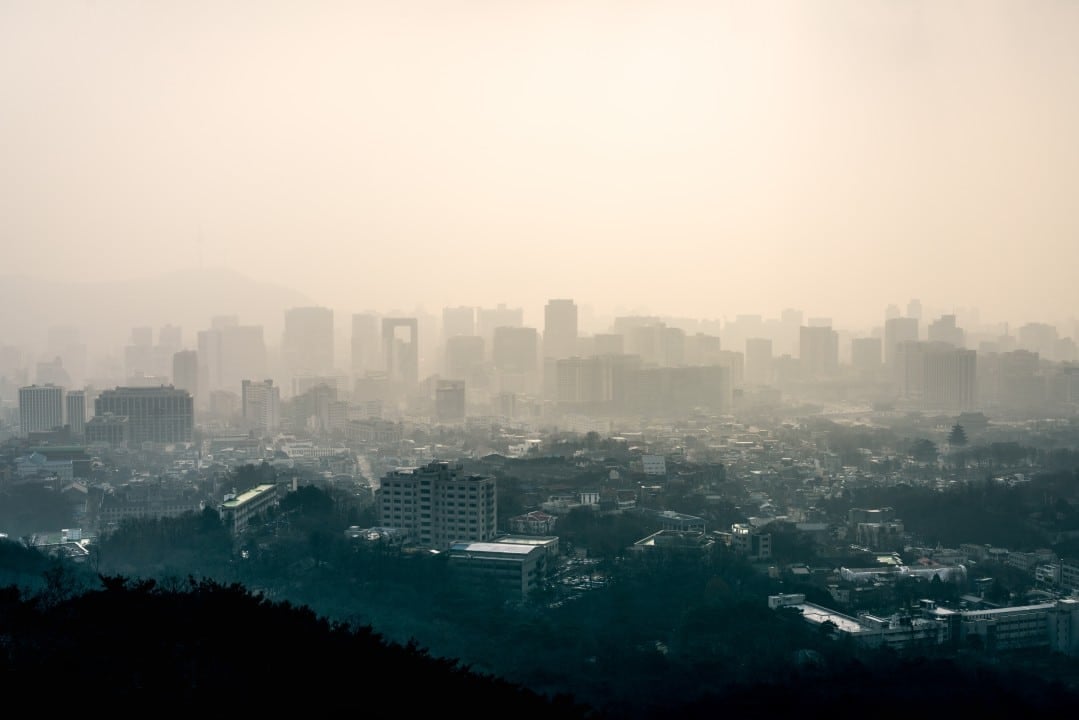
Smoke from wildfires has cast a heavy pall over the Midwest, prompting urgent air quality alerts across four states. On Wednesday, June 4, 2025, authorities in Minnesota, Michigan, Wisconsin, and Iowa advised hundreds of thousands of residents to remain indoors as pollution levels reached hazardous thresholds. The Environmental Protection Agency’s AirNow map highlighted “unhealthy” air quality, driven by fine particles from wildfires and stagnant weather conditions. These conditions pose significant risks, particularly for vulnerable groups like children, seniors, and those with respiratory issues.
The alerts follow a series of wildfires in Minnesota, which have already scorched over 35,000 acres in recent weeks. Combined with smoke drifting from Canadian wildfires, the region faces a public health challenge. Authorities are urging residents to monitor local air quality updates and take precautions to minimize exposure. The situation underscores the growing impact of wildfires on air quality across the United States.
- Key affected areas: Minneapolis, parts of Michigan’s Upper Peninsula, northern Wisconsin, and central Iowa.
- Health risks: Fine particles can aggravate heart and lung conditions, potentially leading to premature deaths.
- Recommended actions: Stay indoors, use air purifiers, and avoid outdoor activities.
This crisis, worsened by weather patterns trapping pollutants, has raised concerns about the long-term effects of wildfire smoke on public health. Residents are grappling with immediate challenges, from adjusting daily routines to ensuring indoor air remains safe.
Health risks escalate for sensitive groups
Air quality alerts in the Midwest have spotlighted the dangers of wildfire smoke, particularly for sensitive populations. The EPA notes that fine particulate matter, known as PM2.5, is the primary health threat, capable of penetrating deep into the lungs and bloodstream. These particles exacerbate chronic conditions like asthma, bronchitis, and heart disease, with children and the elderly facing heightened risks. In Minnesota, where wildfires have intensified, hospitals are preparing for a potential surge in respiratory-related cases.
Professor Jonathan Grigg, a pediatric respiratory expert from Queen Mary University of London, previously emphasized the vulnerability of children to air pollution. Their developing lungs can suffer long-term damage, potentially reducing maximum lung function. Adults with pre-existing conditions also face risks, as prolonged exposure to PM2.5 is linked to cardiovascular issues and premature mortality. Health officials are urging residents to stay vigilant, especially in areas like Minneapolis, where air quality has deteriorated significantly.
- At-risk groups: Children, seniors, and individuals with heart or lung conditions.
- Symptoms to monitor: Coughing, chest tightness, shortness of breath, and wheezing.
- Long-term concerns: Reduced lung function in children and increased cardiovascular risks in adults.
The alerts, in place through Wednesday morning in some areas, highlight the need for proactive measures to protect public health. Residents are advised to rely on air conditioning and high-efficiency filters to maintain clean indoor air.
Wildfires fuel regional air quality decline
Minnesota’s recent wildfires have significantly contributed to the Midwest’s air quality crisis. Over the past month, blazes have consumed vast tracts of land, releasing massive amounts of smoke into the atmosphere. Combined with smoke from Canadian wildfires, these fires have created a regional haze that has pushed air quality into the “unhealthy” category on the EPA’s Air Quality Index. The situation is compounded by weather conditions that trap pollutants, preventing their dispersal.
In Michigan, Wisconsin, and Iowa, the impact of this smoke is equally severe. The National Weather Service reported that stagnant air masses have allowed pollutants to accumulate, creating hazardous conditions. In some areas, visibility has dropped due to thick smoke, posing risks for drivers and outdoor workers. The EPA’s AirNow app has become a critical tool for residents, providing real-time updates on air quality levels.
The scale of the wildfires underscores the challenges of managing air quality in the face of increasingly frequent and intense blazes. Firefighting efforts in Minnesota are ongoing, but containment remains difficult due to dry conditions and high winds.

Practical measures for indoor safety
Authorities across the four affected states have issued detailed guidance to help residents protect themselves from poor air quality. The EPA recommends staying indoors whenever possible, as indoor air is generally safer during smoke events. Simple actions, such as keeping windows and doors closed, can significantly reduce exposure to harmful particles. Air conditioners and purifiers with high-efficiency particulate air (HEPA) filters are also advised to maintain clean indoor environments.
- Avoid pollutant sources: Refrain from frying or broiling food, lighting candles, or using vapes indoors.
- Ventilation tips: Use air conditioners in recirculation mode to prevent outdoor air from entering.
- Air purifiers: HEPA filters can remove up to 99.97% of fine particles from indoor air.
- Monitor updates: Check the AirNow app or local weather reports for real-time air quality data.
These measures are particularly crucial in urban areas like Minneapolis, where population density increases the number of people exposed to hazardous air. Rural communities, however, face their own challenges, as access to air purifiers and cooling centers may be limited.
Economic toll on local communities
The air quality crisis is not only a health concern but also an economic burden for Midwest communities. Businesses in affected areas, particularly those relying on outdoor activities, are reporting disruptions. Restaurants with outdoor seating, construction projects, and recreational facilities have scaled back operations due to the advisories. In Minnesota, tourism-related businesses, such as lakefront resorts, are seeing cancellations as visitors avoid smoke-filled areas.
Farmers are also feeling the impact, as poor air quality affects both workers and livestock. Dairy farms in Wisconsin and Iowa have reported reduced productivity, as cows are sensitive to respiratory irritants. The economic ripple effects are expected to persist as long as the alerts remain in place, with small businesses bearing the brunt of the downturn.
Local governments are stepping in to provide support, with some counties opening cooling centers and distributing air purifiers to vulnerable residents. However, the costs of these interventions are straining municipal budgets already stretched by wildfire response efforts.
Role of weather in worsening conditions
Meteorological factors have played a significant role in the Midwest’s air quality crisis. The National Weather Service notes that a high-pressure system has created stagnant conditions, trapping smoke and pollutants close to the ground. This phenomenon, known as an inversion, prevents the dispersal of fine particles, allowing them to accumulate to dangerous levels. Winds, which could typically clear the air, have been weak, exacerbating the situation.
In Michigan, meteorologist Eleanor Dhuyvetter reported that a frontal boundary moving through the state has mixed smoke with clouds, creating off-colored skies. While clearer air is expected to follow, the immediate outlook remains concerning. The interplay of wildfire smoke and weather patterns highlights the complexity of managing air quality during environmental crises.
Forecasters are monitoring the region closely, as a shift in weather patterns could either alleviate or worsen the situation. Residents are advised to stay informed through local weather updates and prepare for prolonged indoor stays if conditions persist.
Public response to air quality alerts
Across the Midwest, residents are adapting to the air quality advisories with varying degrees of disruption. In Minneapolis, schools have canceled outdoor activities, shifting physical education classes indoors. Parents are keeping children inside, relying on virtual resources to keep them engaged. Community centers in Wisconsin and Iowa are offering indoor programs to accommodate families affected by the alerts.
- School adjustments: Cancellation of outdoor sports and recess in favor of indoor activities.
- Community support: Libraries and recreation centers open as safe indoor spaces.
- Resident concerns: Anxiety over prolonged exposure and access to air purifiers.
Social media platforms have become a hub for sharing tips and updates, with residents posting about air purifier brands and DIY solutions for improving indoor air quality. However, not all communities have equal access to these resources, raising concerns about disparities in managing the crisis.
Historical patterns of wildfire smoke
The Midwest’s current air quality crisis is not an isolated event but part of a broader trend of worsening wildfire smoke impacts. Since 2023, smoke from Canadian wildfires has periodically affected the United States, with significant episodes in the Northeast and Midwest. The 2023 crisis saw air quality plummet to dangerous levels, prompting similar indoor advisories for millions of residents.
Minnesota’s wildfire activity has also increased in recent years, driven by drier conditions and warmer temperatures. The state’s Department of Natural Resources reported that 2024 was one of the most active fire seasons on record, with over 100,000 acres burned. This trend is raising alarms about the region’s vulnerability to future smoke-related health crises.
Comparative data from the EPA shows that PM2.5 levels during wildfire events often exceed safe thresholds for days or even weeks, posing cumulative risks to public health. The recurrence of these events is prompting calls for stronger wildfire prevention and air quality management strategies.
Vulnerable populations face heightened risks
Children, seniors, and individuals with pre-existing health conditions are bearing the brunt of the Midwest’s air quality crisis. In Michigan, the Department of Environment, Great Lakes, and Energy issued an advisory highlighting the risks for these groups, urging them to limit outdoor activity. Fine particles can trigger asthma attacks, worsen chronic obstructive pulmonary disease, and increase the likelihood of heart attacks in older adults.
Hospitals in Iowa and Wisconsin are reporting a slight uptick in emergency room visits for respiratory issues, though the full impact may not be clear for weeks. Community health organizations are distributing masks and providing guidance on recognizing symptoms of smoke exposure. Rural areas, where healthcare access is limited, face additional challenges in addressing these needs.
The crisis has also highlighted disparities in access to protective measures, with low-income households less likely to afford air purifiers or maintain air-conditioned homes. Local nonprofits are stepping in to bridge this gap, but resources remain stretched.
Government response and resources
State and federal agencies are mobilizing to address the air quality crisis. The EPA and National Weather Service are collaborating to provide real-time air quality data through the AirNow platform, which has seen a surge in usage. Minnesota’s Department of Health has launched a public awareness campaign, distributing flyers and online resources about smoke safety.
- Federal support: EPA’s AirNow app offers real-time air quality monitoring.
- State initiatives: Minnesota provides free masks at community centers.
- Local efforts: Cooling centers open in Iowa and Wisconsin for vulnerable residents.
Governments are also investing in long-term solutions, such as wildfire prevention programs and air quality monitoring networks. However, the immediate focus remains on ensuring residents have the tools and information needed to stay safe during the current crisis.
Environmental factors driving wildfires
The wildfires fueling the Midwest’s air quality crisis are driven by a combination of environmental factors. Prolonged drought in Minnesota has left forests and grasslands highly flammable, creating ideal conditions for large-scale blazes. High winds have further accelerated fire spread, carrying smoke across state lines and into neighboring regions.
Climate data from the National Oceanic and Atmospheric Administration indicates that the Midwest has experienced warmer-than-average temperatures in recent years, contributing to longer fire seasons. These conditions are straining firefighting resources and increasing the frequency of smoke-related air quality alerts.
Efforts to mitigate these factors include controlled burns and forest management programs, but their implementation is complex and resource-intensive. The current crisis is a stark reminder of the need for coordinated environmental strategies to address the root causes of wildfires.
Community resilience and adaptation
Midwest communities are demonstrating resilience in the face of the air quality crisis. In Wisconsin, local businesses are donating air purifiers to schools and senior centers, while volunteers in Iowa are organizing indoor activities for children. These efforts reflect a collective commitment to protecting vulnerable residents and maintaining community cohesion.
Social media campaigns are amplifying public health messages, with hashtags encouraging residents to share air quality updates and safety tips. In Michigan, community leaders are advocating for expanded access to cooling centers, particularly in underserved areas. These grassroots initiatives are complementing government efforts and fostering a sense of solidarity.
The crisis has also sparked discussions about long-term adaptation, with some residents calling for investments in green infrastructure and air quality monitoring. While these ideas are still in early stages, they highlight the region’s determination to address the challenges posed by wildfire smoke.
