On June 9, 2025, Apple introduced iOS 26, the new operating system for iPhones, featuring visual overhauls, artificial intelligence-based tools, and unprecedented functionalities. Unveiled during a company event, the update will not be available for models released before the iPhone 11, leaving users of older devices without access to the innovations. The official launch is scheduled for September, alongside the new iPhone lineup, with a public beta set for July. The change directly impacts millions of users, who will need to consider purchasing newer models to keep up with the advancements. The announcement sparked discussions among consumers and experts about planned obsolescence and upgrade costs.
The company emphasized that iOS 26 represents one of the most significant visual redesigns since iOS 7, with translucent icons and animations inspired by visionOS, the system used in Apple Vision Pro. Additionally, Apple Intelligence, a suite of AI tools, will be limited to more powerful models, such as the iPhone 16 lineup and iPhone 15 Pro and Pro Max.
- Compatible models: iPhone 11 and later, including the 12, 13, 14, 15, 16 lines, and iPhone SE (2nd and 3rd generations).
- Notable exclusions: iPhone XS, XR, X, and earlier models will not receive iOS 26.
- Immediate impact: Older devices will continue to function but won’t get new features or security updates.
Apple’s focus on advanced technologies, such as live translation and 3D interfaces, underscores the need for more robust hardware, explaining the exclusion of older models. The company also announced discounts on compatible iPhones, with reductions of up to 43% on models like the iPhone 15.
Revamped design enhances user experience
iOS 26 introduces a completely refreshed interface, with translucent icons that create a realistic visual effect, inspired by the visionOS design. The change is considered the most significant since 2013, when iOS 7 introduced a flatter, minimalist look. Animations now appear to float on the screen, offering an immersive experience while navigating apps.
Users can also customize the lock screen with images that simulate 3D effects, adjusting to the device’s movement. This feature, according to Apple, creates a more dynamic and engaging interaction, especially on newer models with high-quality displays. The camera app redesign brings a streamlined layout, with just two main buttons (Photo and Video) to simplify quick captures.
The company opted to hide advanced tools in a secondary menu, making the interface more intuitive for casual users. The feature is already available in the developer beta, and initial feedback has been positive, with praise for its fluidity and modern aesthetics.
Apple Intelligence: exclusive to premium models
The centerpiece of iOS 26 is Apple Intelligence, a set of AI-driven features designed to transform iPhone interactions. Available only on the iPhone 16 lineup and iPhone 15 Pro and Pro Max, these tools require high processing power, limiting their compatibility.
Among the highlights is live translation, enabling real-time text and audio conversion in the Messages, FaceTime, and Phone apps. The feature is ideal for international communication, removing language barriers instantly. Another addition is customization in the Messages app, where users can create unique backgrounds, including AI-generated images.
- Chat polls: Ability to create polls directly in conversations.
- Message filters: Automatic separation of known and unknown senders.
- Typing indicator: Shows when a contact is typing, similar to WhatsApp.
These features bring the native Messages app closer to competitors like WhatsApp and Telegram, boosting its competitiveness. However, the exclusivity of Apple Intelligence has drawn criticism, as users of models like the standard iPhone 15 will miss out on these tools.
Excluded models and the future of older iPhones
The decision to restrict iOS 26 to iPhones starting with the 11 reflects Apple’s strategy to prioritize devices with hardware capable of supporting new technologies. Models like the iPhone XS, XR, X, 8, and earlier won’t receive the update, meaning they’ll miss out on new features and, in the long term, security updates.
While these devices will continue to function normally for now, the lack of support may lead to incompatibility with newer apps. Experts note that, over time, users may face challenges accessing essential services, such as banking and social media, which require updated system versions.
Apple stressed that excluding older models is necessary to ensure optimal iOS 26 performance, particularly for functions requiring heavy processing, like 3D animations and Apple Intelligence. For consumers, this serves as an incentive to upgrade to newer models, many of which are already on sale.
Discounts pave the way for upgrades
Following the iOS 26 announcement, Apple and partner retailers rolled out significant discounts on compatible iPhones to attract users of older models. The iPhone 15, for instance, is available at a 43% discount, priced at $4,119.10 for the 128 GB version. Other models, like the iPhone 13 and iPhone 14, also saw reductions of up to 14%.
- iPhone 13 (128 GB): From $3,864.48 to $3,400.74 (14% off).
- iPhone 14 (128 GB): From $4,444.00 to $3,995.99 (10% off).
- iPhone 16e (128 GB): From $4,398.96 to $3,959.06 (10% off).
The discounts are paired with promotions like the “TEL200” coupon, offering an additional $200 off on select models. These offers align with the UOL Deals Day, an event set for June 17, featuring exclusive promotions on electronics and other products.
Practical features for daily use
Beyond visual changes and AI, iOS 26 introduces functionalities that streamline daily routines. One is Hold Assist, a feature that keeps calls on hold and alerts users when a human responds, eliminating the need to listen to hold music.
The new Apple Games app also stands out. It serves as a hub for games downloaded from the App Store, offering recommendations, developer updates, and challenges with friends. The platform is Apple’s bid to strengthen its presence in the mobile gaming market, competing with services like Google Play Games.
The camera interface, meanwhile, prioritizes simplicity without sacrificing advanced tools, which are now organized in a secondary menu. The change reflects Apple’s focus on catering to both amateur and professional photographers.
Release and testing timeline
iOS 26 will follow a structured rollout schedule. The developer version was released on June 9, allowing programmers to test apps and ensure compatibility. In July, a public beta will be available for users eager to try the system before its official launch.
The final rollout is slated for September, coinciding with the next iPhone generation announcement. Apple typically launches system updates alongside new devices, ensuring they hit the market with the latest features.
- June 9: Developer version.
- July: Public beta.
- September: Official launch with new iPhones.
This timeline allows Apple to refine the system based on feedback, addressing potential bugs before wide-scale distribution.
Initial reactions and expectations
The iOS 26 announcement elicited mixed reactions from users. While many praised the visual innovations and AI features, others criticized the exclusion of relatively recent models like the iPhone XS and XR, launched in 2018. Online forums and social media saw debates about iPhone longevity and upgrade costs.
Developers, however, highlighted the importance of the beta version for ensuring app compatibility. Apple encouraged participation in the testing program, promising support for technical adjustments. The expectation is that iOS 26 will reinforce the company’s leadership in mobile innovation, though the impact of excluding older models will linger for a significant user base.
A step toward ecosystem integration
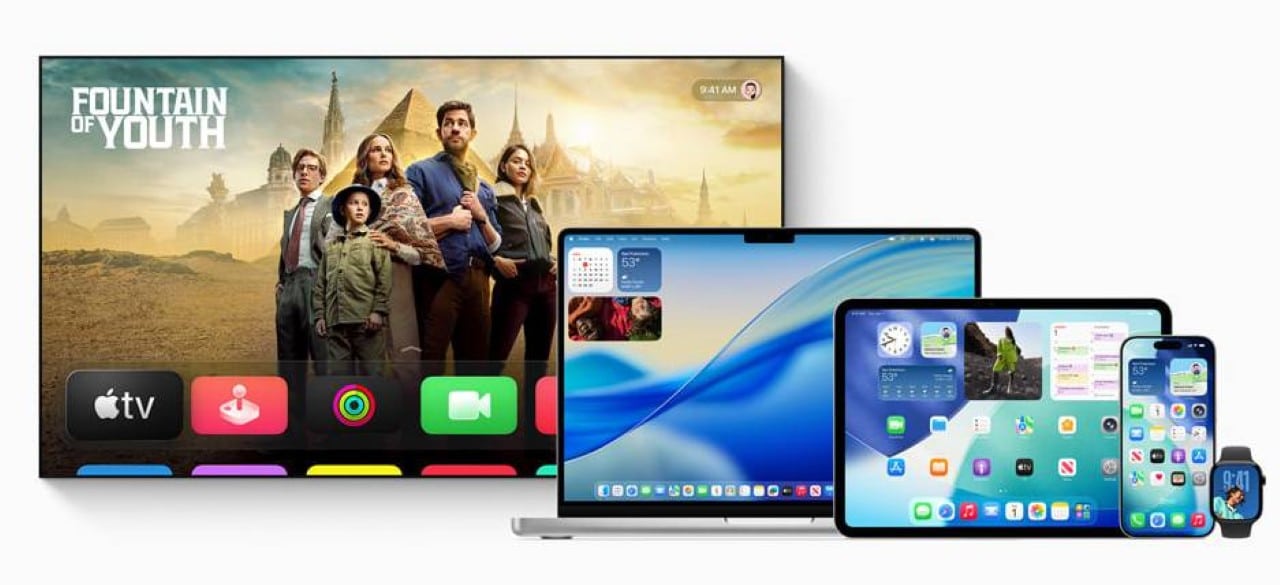
iOS 26 strengthens the iPhone’s integration with other Apple products, like the Apple Vision Pro and Apple Watch. The adoption of visionOS elements in the system’s design suggests Apple is preparing its devices for a future where augmented reality and AI play central roles.
Live translation, for instance, will work with FaceTime calls, while the Messages app gains features that enhance group communication. These improvements aim to create a seamless experience across Apple devices, encouraging users to stay within the ecosystem.
The company also plans to expand Apple Games’ functionalities, integrating it with Game Center and other services, which could attract more developers to the platform. The strategy reflects Apple’s focus on diversifying revenue streams in an increasingly competitive smartphone market.
What to expect from the market
The iOS 26 launch comes amid fierce competition in the tech sector. Rivals like Samsung and Google are also investing in AI and innovative interfaces, pressuring Apple to deliver a robust and differentiated system. The exclusivity of features like Apple Intelligence for premium models may drive iPhone 16 sales but raises questions about accessibility.
The announced discounts on compatible iPhones suggest Apple is aware of consumer resistance to frequent upgrades. The UOL Deals Day, for example, will offer a chance for users to purchase newer models at significant discounts, potentially easing the transition to the new system.
In the long term, iOS 26 is likely to solidify Apple’s reputation as a leader in design and innovation, but the exclusion of older models will remain a point of contention among consumers.
