Temperatures in Barcelona, Spain, reached historic levels in June 2025, marking the hottest month in over a century, according to the national meteorological service. The heatwave, which also scorched France, Italy, Portugal, and other parts of Europe, brought record highs, such as 37.9°C in the Catalan city and 46.6°C in Portugal. Schools closed, tourist attractions restricted access, and the risk of wildfires grew due to dry soil and lack of rainfall. The phenomenon, which disrupted the lives of millions, reflects the intensification of extreme weather events on the continent. The extreme heat prompted authorities to issue alerts, while experts warn of even harsher summers in the future.
The heatwave hit the European continent with force, challenging urban infrastructure and population resilience. In Barcelona, the Can Fabra observatory, located on a hill overlooking the city, recorded the highest temperature ever for a June day, breaking a century-old record. The situation was not limited to Spain: neighboring countries faced equally extreme conditions, with direct impacts on public health and safety.
- Record highs: Barcelona hit 37.9°C, while Portugal reached 46.6°C, historic marks for June.
- Affected infrastructure: Over 1,300 schools closed in France, and tourist sites like the Eiffel Tower limited access.
- Wildfire risks: Drought and heat increased the likelihood of fires in several regions.
The European summer, which officially began in June, showed clear signs of a changing climate, with visible consequences for daily life.
Historic heat in Barcelona
The Catalan capital, known for its mild climate due to its proximity to the Mediterranean, experienced an unprecedented June. The Can Fabra observatory, a benchmark for weather measurements, confirmed a high of 37.9°C on June 30, surpassing any previous record for the month. Residents and tourists adapted their routines, seeking shade and avoiding outdoor activities during the hottest hours.
The situation in Barcelona reflects a broader pattern in Spain. Although the city is protected by hills and sea breezes, other regions, such as the interior, endured even higher temperatures. The Spanish meteorological agency warned of potential new records in July if conditions persist.
Red alert in France
In France, the extreme heat led to drastic measures. The Météo-France agency issued red alerts for several regions, including Paris, where temperatures reached 40°C. Over 1,300 schools suspended classes fully or partially, prioritizing the safety of students and staff.
Tourist attractions were also impacted. The Eiffel Tower, one of the world’s most visited monuments, closed its top until June 26, and visitors without tickets were advised to postpone their visits. The heat, combined with a lack of rainfall, heightened the risk of wildfires, particularly in rural areas where the soil has been dry for weeks.
- Safety measures: School closures and restrictions at tourist sites.
- Weather conditions: Dry soil and no precipitation worsen the scenario.
- Long-term forecast: Experts warn of hotter summers in the coming decades.
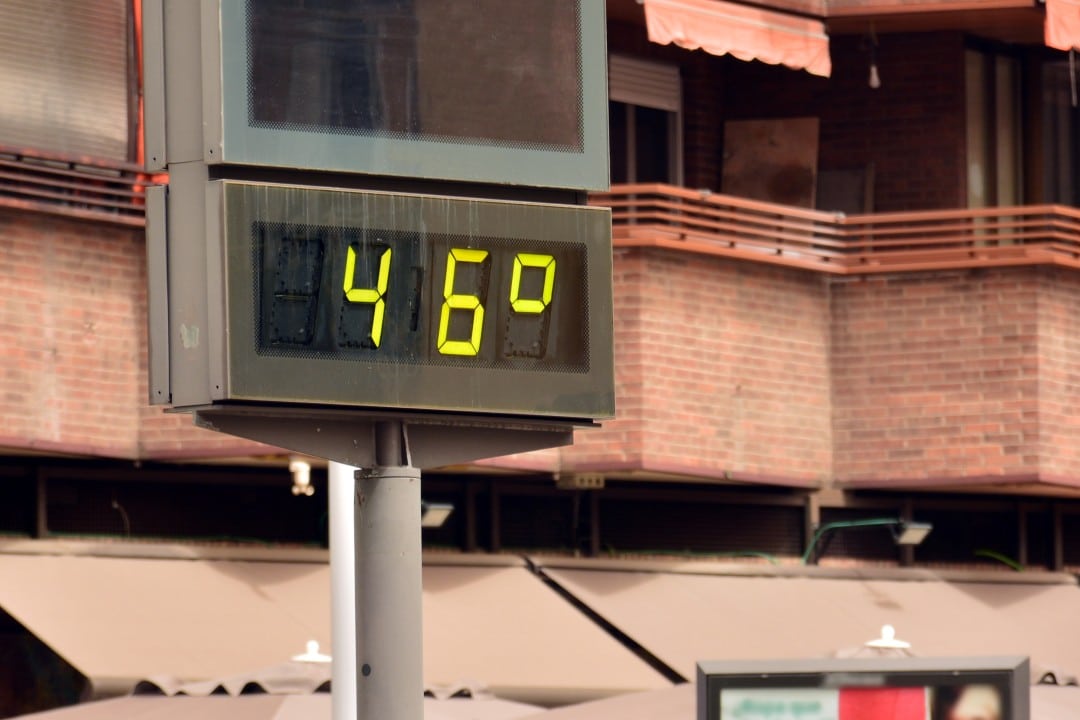
Italy under thermal stress
In Italy, the heat affected 17 of the country’s 27 major cities, with temperatures often exceeding 40°C. Regions like Tuscany and Lazio faced consecutive days of intense heat, straining healthcare and energy systems. Hospitals reported a rise in dehydration and heatstroke cases, particularly among the elderly.
Italian authorities intensified awareness campaigns, urging people to avoid prolonged sun exposure and stay hydrated. In Rome, public fountains were opened for relief, while smaller cities struggled with limited resources to cope with the extreme heat.
Portugal breaks records
Portugal recorded the highest temperature of the heatwave, with 46.6°C in some areas, a historic milestone for June. Two inland localities also set records on June 29, with highs above 43°C. Even in Lisbon, where temperatures dropped to 33°C, the heat remained above average for the season.
The Portuguese meteorological agency noted that the combination of intense heat and low humidity increased the risk of wildfires, especially in the central and northern regions. Firefighters were deployed preemptively, and forested areas were placed under constant monitoring.
Factors intensifying the heat
The European heatwave stems from a combination of climatic factors. A high-pressure system, known as an anticyclone, blocked the arrival of cold fronts, keeping temperatures elevated for days. The lack of rainfall in June left the soil dry, reducing natural cooling capacity.
- Anticyclone: High-pressure system preventing cool air circulation.
- Dry soil: Lack of moisture intensifies heat and fire risks.
- Climate change: Extreme events are becoming more frequent and intense.
- Future outlook: Summers could be up to 4°C warmer by 2100.
Impacts on urban life
The heat altered the dynamics of European cities. In Barcelona, air-conditioned bars and cafes became popular refuges, while beaches were crowded despite health warnings. In Paris, metro stations faced overcrowding as people sought air-conditioned transport.
In Italy, energy consumption surged due to heavy use of air conditioners, putting pressure on power grids. In Portugal, authorities recommended rational water use, as reservoirs in some regions reached critical levels.
Preparing for the future
Climate experts emphasize that events like the June 2025 heatwave are part of a pattern of climate change. In France, projections suggest annual temperatures above 40°C, with peaks up to 50°C by the century’s end. The increasing frequency of heatwaves demands adaptations, such as reinforcing urban infrastructure and creating more green spaces.
Countries like Spain and Italy are investing in sustainable cooling technologies, such as green roofs and reflective pavements. In Portugal, the focus is on wildfire prevention, with expanded monitoring and rapid-response systems.
Public protection measures
European governments implemented emergency measures to protect citizens. In France, cooling centers were opened in gyms and public spaces. In Italy, volunteers distributed water at high-traffic areas.
- Cooling centers: Air-conditioned spaces for the elderly and vulnerable.
- Educational campaigns: Guidance on hydration and sun protection.
- Health monitoring: Hospitals on alert for heatstroke cases.
- Fire prevention: Strengthened firefighting teams in at-risk areas.
A changing climate landscape
The June 2025 heatwave serves as a warning of the need for urgent climate action. Europe, already facing hotter summers, must accelerate the transition to renewable energy and bolster city resilience. Data from the Intergovernmental Panel on Climate Change (IPCC) suggest the continent could see a tenfold increase in extreme heat days by 2100.
Recent events highlight the importance of policies combining mitigation and adaptation. As record temperatures challenge Europe, a collective response will be critical to tackling future summers.