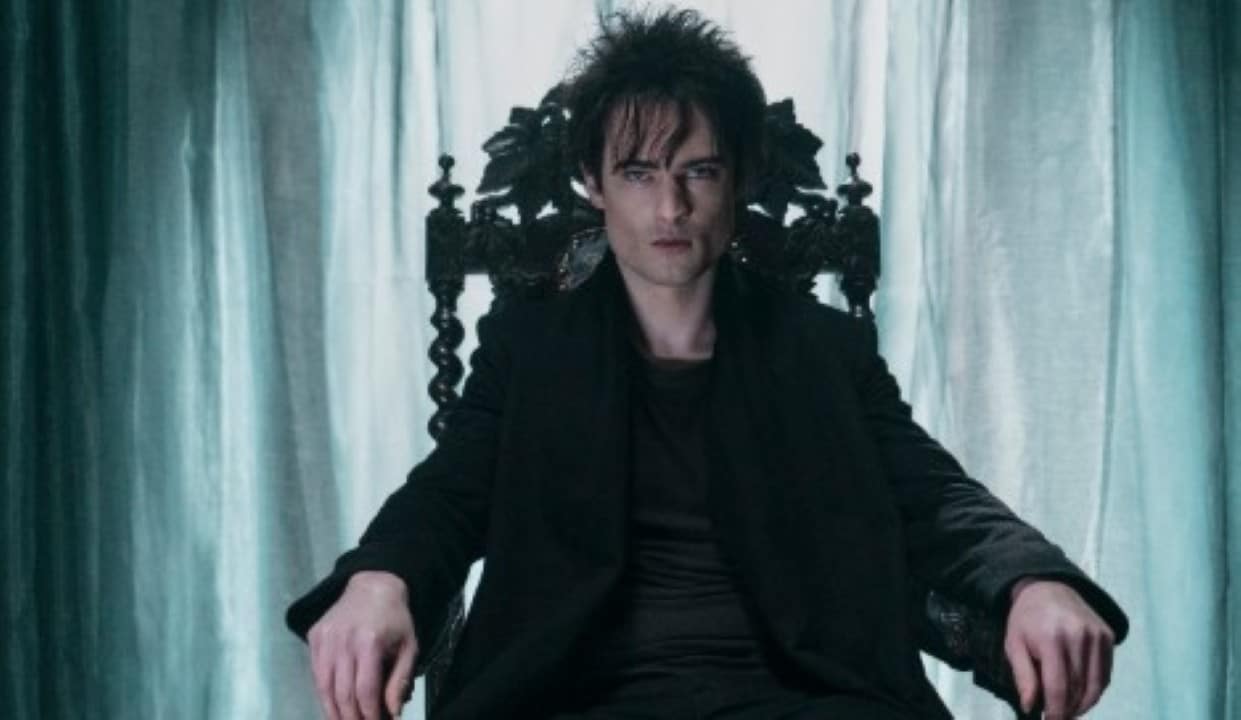
Starting this Thursday, July 3, 2025, Netflix releases the second and final season of “Sandman,” based on Neil Gaiman’s acclaimed comic series, with episodes rolling out in stages throughout the month. The first six episodes are already available, while the final five arrive on July 24, followed by a bonus episode on July 31. The series, adapting iconic arcs like “Season of Mists” and “Brief Lives,” follows Morpheus, the Lord of Dreams, played by Tom Sturridge, in a blend of fantasy, mythology, and drama. The premiere comes amid controversies surrounding allegations against Gaiman, though Netflix emphasizes fidelity to the comics. The decision to end the series after two seasons was planned since 2022, according to showrunner Allan Heinberg, due to high costs and narrative structure.
The story picks up from the first season, launched in 2022, which won fans with its unique aesthetic and loyalty to the source material. Morpheus faces new challenges that test his existence and the Dream realm. The season explores the protagonist’s internal dilemmas and the consequences of past decisions, affecting gods, monsters, and mortals. The staggered release aims to sustain audience engagement, a common Netflix strategy.
- Key season highlights:
- Adaptation of classic comic arcs.
- Introduction of new characters, like gods and historical figures.
- Episodes split into three release phases.
Produced by Warner Bros. Television, the series maintains the visual and narrative quality that defined its debut, with direction by Jamie Childs and writing by an experienced team.
Release details and season structure
The phased release strategy reflects Netflix’s goal to extend interest in the series. The first six episodes, available since 4 a.m. Brasília time on July 3, form “Volume 1.” “Volume 2,” with five episodes, drops on July 24, and a special episode, focusing on a secondary character, arrives on July 31. This split allows fans to digest the dense plot, adapting intricate comic arcs. The production involved significant investment, with elaborate sets and visual effects recreating Gaiman’s fantastical universe. While the decision to end after two seasons was made in 2022, it coincides with a sensitive moment for the project’s image due to the allegations against Gaiman.
Faithful adaptation of Neil Gaiman’s comics
“Sandman” is lauded for its loyalty to the original DC Comics series, published from 1989 to 1996. The second season adapts arcs like “Season of Mists,” where Lucifer, played by Gwendoline Christie, relinquishes control of Hell, handing the keys to Morpheus, and “Brief Lives,” delving into the relationships among the Endless, entities representing concepts like Dream, Death, and Desire. Gaiman’s role as executive producer ensured the comic’s essence was preserved. The cast, including Kirby Howell-Baptiste as Death and Boyd Holbrook as the Corinthian, has been praised for their chemistry and portrayal of complex characters. New characters, including mythological gods and historical figures, broaden the narrative, linking Sandman’s universe to diverse cultural traditions.
The fidelity to the comics is a strength but also a challenge, given the dense, philosophical source material. The writing team, led by Allan Heinberg, balanced the work’s complexity with accessibility for Netflix’s audience, catering to both loyal readers and new viewers.
Controversies surrounding Neil Gaiman
Allegations of sexual abuse against Neil Gaiman, revealed in early 2025, cast a shadow over the season’s premiere. A dossier detailing accusations from multiple women prompted Netflix to reassess its promotional strategy, though the platform did not directly tie the cancellation to the claims. Other Gaiman-based projects, like “Good Omens” on Amazon Prime Video, also faced revisions or distanced themselves from the author. The Sandman team, however, stresses that the two-season limit was decided in 2022, based on Morpheus’ story and production costs. The controversy sparked debates among fans online, with some advocating for separating the art from the artist, while others questioned the series’ continuation.
New challenges for Morpheus
In the second season, Morpheus confronts external threats and internal conflicts that challenge his role as the Lord of Dreams. The narrative explores the fallout of choices from the first season, like freeing characters trapped in the Dreaming and interacting with other Endless. Death’s line, “Every story comes to an end,” sets a farewell tone for the season, promising an epic conclusion to Morpheus’ arc. The series retains its thematic depth, tackling redemption, responsibility, and the nature of dreams, while introducing new antagonists and allies. Jamie Childs’ direction emphasizes the gothic, dreamlike aesthetic, with sequences alternating between the real world and the Dreaming.
- Core plot elements:
- Conflicts among the Endless, like Desire and Despair.
- Exploration of global mythologies with new gods.
- Ethical dilemmas faced by Morpheus.
- Growth of secondary characters, like Lucienne.
Marketing strategy and initial reception
Netflix launched a robust campaign, including a trailer released on June 17, 2025, showcasing intense scenes and the series’ dark tone. The Tudum 2025 event on May 31 featured exclusive previews, building anticipation alongside shows like “Stranger Things” and “Squid Game.” Early fan reception was positive, with praise for the visual fidelity and performances, though Gaiman’s controversies fueled discussions. On social media, hashtags like #Sandman and #NetflixSandman trended, with viewers lauding the visual effects and emotional depth. The phased release was well-received by some but criticized by others who wanted all episodes at once.
Production and creative team
The production, a collaboration between Netflix and Warner Bros. Television, involved a hefty budget to recreate the comic’s fantastical world. Showrunner Allan Heinberg led a writing team including Ameni Rozsa and Alex Newman-Wise. Jamie Childs’ direction delivered a cohesive vision, with episodes ranging from introspective moments to action sequences. David Buckley’s score enhances the dreamlike atmosphere, while the cinematography highlights settings like Hell and the Dreaming. Gaiman’s involvement, though reduced post-allegations, ensured alignment with the source material.
Spotlight on secondary characters
Beyond Morpheus, the season highlights secondary characters that enrich the story. Lucienne, played by Vivienne Acheampong, takes a more active role in the Dreaming, while Lucifer returns with new motives. New characters, like mythological figures and cosmic entities, expand the series’ universe. The bonus episode, set for July 31, will likely explore a secondary character’s story, possibly tied to the Endless or a mortal affected by the Dreaming, mirroring the comics’ blend of main and side stories.
- Characters gaining prominence:
- Lucienne, the Dreaming’s librarian.
- Lucifer, with fresh ambitions.
- Death, with emotional moments.
- New mythological entities.
Expectations for the finale
The final season aims to conclude Morpheus’ journey memorably, adapting arcs like “The Kindly Ones” and “The Sandman: Overture.” The narrative probes the boundaries between dreams and reality, with sequences that defy fan expectations. The series stays true to its philosophical themes, like the inevitability of endings and the weight of choices. Despite the cancellation, the production honors the comics’ legacy, delivering a fitting end. Fans anticipate impactful moments in the final episodes, especially the bonus.
Fan reactions
The Sandman fanbase showed enthusiasm for the premiere, though Gaiman’s allegations caused divisions. Many praised Netflix for maintaining production quality, while others mourned the series’ early end. Online forums and social media buzz with anticipation for the bonus episode and resolution of early conflicts. The series continues to draw new viewers, thanks to the first season’s availability and the comics’ reputation.