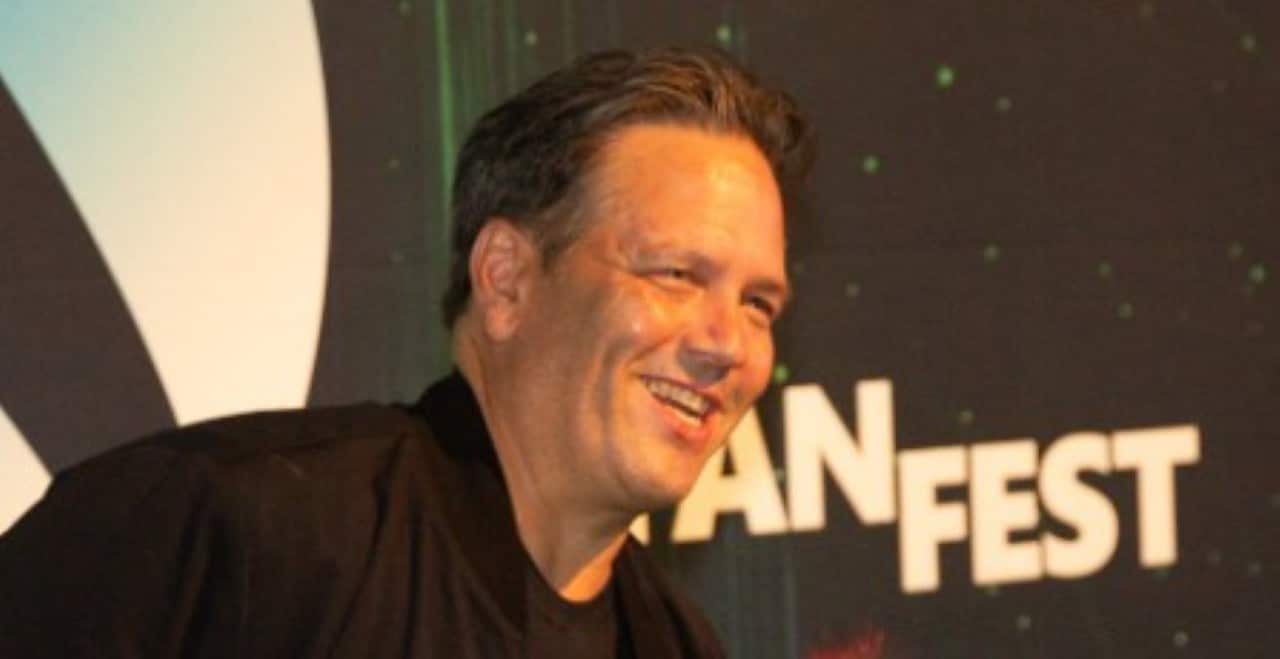
Microsoft unveiled a new wave of layoffs in its Xbox division, impacting studios like Romero Games, Rare, and Zenimax, while canceling projects such as Everwild. The changes, confirmed on July 2, 2025, also saw the departure of Matt Firor, president of Zenimax, and significant cuts to Forza Motorsport and Raven teams. Phil Spencer, Xbox CEO since 2014, dismissed retirement rumors, reaffirming his commitment to the company. The moves, he explained, aim to prioritize high-potential areas and boost efficiency. This restructuring reflects Microsoft’s strategy to streamline operations and maintain competitiveness in the gaming market, even as Xbox reports record player numbers and engagement.
The layoffs sparked reactions across the industry. Displaced developers, particularly from Romero Games, voiced their struggles online, highlighting the loss of promising projects. Key aspects of the restructuring include:
- Cancellation of Everwild, Rare’s long-awaited adventure game.
- Termination of a Romero Games project, leading to studio closure.
- 50% staff reduction at Forza Motorsport’s Turn 10 studio.
- Exit of Matt Firor, Zenimax’s president, amid the shakeup.
These cuts align with a broader trend of downsizing in tech and gaming, as Microsoft seeks agility in its operations. Despite the upheaval, Xbox boasts strong performance, with growth in player base and playtime.
Strategic overhaul at Xbox
Microsoft framed the layoffs as a move to focus on high-impact projects. In a statement to Windows Central, Phil Spencer emphasized the need to “eliminate management layers” for greater efficiency. He underscored Xbox’s current strength, citing unprecedented player numbers and engagement. The leadership views these tough decisions as vital for long-term growth, ensuring the division remains competitive.
The impact was swift across studios. Romero Games, founded by Doom creator John Romero, saw its project axed, resulting in the studio’s shutdown. One developer shared being jobless for the second time in 2025, while another mourned the loss of a “unique” project. Rare, known for Sea of Thieves, had Everwild, teased in 2019, canceled after development struggles.
Effects on studios and projects
The layoffs spanned multiple studios. Zenimax, behind franchises like The Elder Scrolls, lost president Matt Firor, who led operations since Microsoft’s 2020 acquisition. Forza Motorsport’s Turn 10 studio was halved, raising concerns about the racing series’ future. Raven, a support studio for Call of Duty, also faced cuts, though less severe.
Canceled projects mark significant losses:
- Everwild: A visually striking adventure game plagued by creative challenges.
- Romero Games’ project: Undisclosed but praised as innovative by staff.
- Early-stage titles, halted before public reveal.
Microsoft hasn’t disclosed the exact number of affected employees, but estimates suggest hundreds of layoffs, following a 2024 cut of 1,900 jobs in the gaming division.

Phil Spencer’s stance
In an internal memo, Phil Spencer addressed the layoffs, stressing Xbox’s long-term vision. He acknowledged the challenging timing but highlighted the platform’s success, with growth in players, games, and playtime. “Our platform has never been stronger,” he stated, pointing to Xbox Series X/S and Game Pass performance. Spencer also quashed retirement rumors, with Kari Perez, head of communications, telling The Verge he’s “not retiring anytime soon.”
Spencer’s continued leadership signals stability. Since 2014, he has driven Xbox’s expansion through Game Pass and acquisitions like Bethesda and Activision Blizzard. Despite criticism over the cuts, his strategic direction remains central to the division.
Industry and developer reactions
The layoffs stirred strong responses from developers and fans. Romero Games staff expressed dismay, noting the challenge of finding work in a competitive market. One developer called the loss of their project “heartbreaking.” Fans of Everwild, eagerly awaiting updates since its 2020 trailer, voiced disappointment online, fueling heated discussions.
The gaming industry is navigating a turbulent phase, with companies like Sony and Electronic Arts also announcing cuts in 2024 and 2025. Analysts note that market consolidation, driven by mega-acquisitions and a focus on live-service games, pressures smaller studios and experimental projects.
Microsoft’s history of cuts
Microsoft has a recent track record of gaming division restructurings. In 2024, it shuttered studios like Tango Gameworks and Arkane Austin, creators of Hi-Fi Rush and Redfall. The $68.7 billion Activision Blizzard acquisition heightened financial scrutiny, prompting cuts to streamline operations.
Key figures highlight the scale:
- 2024: 1,900 layoffs in the gaming division.
- 2025: Hundreds more cuts, targeting studios like Rare and Zenimax.
- Acquisitions: Bethesda (2020, $7.5 billion) and Activision Blizzard (2022, $68.7 billion).
This strategy underscores Microsoft’s push for efficiency in a market where Game Pass, with over 25 million subscribers, demands ongoing content investment.
Future for affected studios
Impacted studios face uncertain paths. Rare, despite losing Everwild, continues to thrive with Sea of Thieves’ regular updates. Zenimax, post-Firor, is developing The Elder Scrolls VI and Starfield, though leadership changes may affect team morale. Turn 10 is likely to focus on Forza Motorsport’s 2023 title updates, but its reduced workforce raises questions about new projects.
Romero Games faces the steepest challenge. With the studio closed, John Romero, an industry icon, may seek new partnerships or independent funding for future endeavors.
Xbox’s competitive landscape
Xbox operates in a market led by Sony’s PlayStation 5 in hardware sales and Nintendo’s Switch in family-friendly appeal. Game Pass, however, gives Xbox an edge in services, offering over 400 titles via subscription. Microsoft is also expanding Xbox Cloud Gaming, gaining traction in emerging markets.
The layoffs, though controversial, align with a focus on established franchises like Call of Duty and Halo, alongside investments in emerging tech. Upcoming 2026 releases, including Fable and Avowed, aim to bolster Xbox’s lineup.
Broader gaming industry trends
Xbox’s layoffs mirror a wider industry shift. Rising development costs, often exceeding $200 million per AAA title, push companies toward financial stability. Smaller studios like Romero Games struggle against giants dominating live-service games and microtransactions.
Drivers of industry restructuring:
- Soaring development costs and extended timelines.
- Market consolidation through large-scale acquisitions.
- Emphasis on live-service titles like Fortnite and Destiny 2 for steady revenue.
- Pressure for profitability after major investments.
Microsoft’s global scale demands a balance of innovation and profitability, but the cuts raise concerns about creativity and game diversity.
