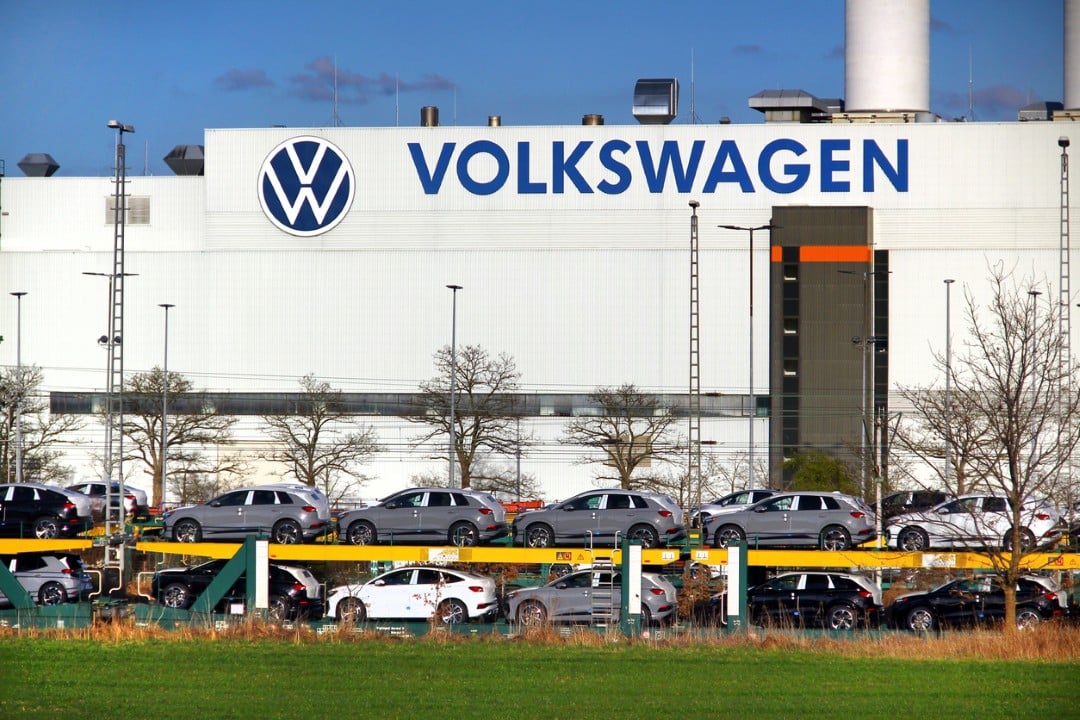
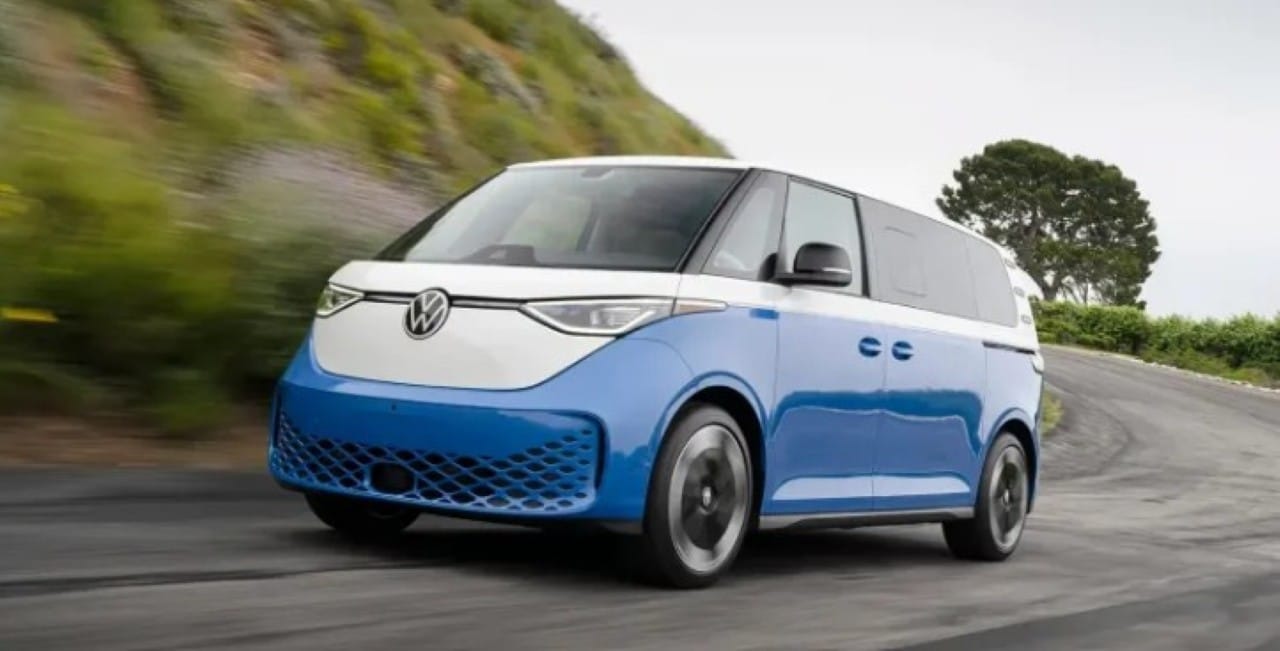
Volkswagen, the German automotive giant, launched the ID.Buzz in 2023, aiming to revive the nostalgia of the iconic 1960s bus as a modern electric vehicle. Unveiled in Huntington Beach, California, the model sought to conquer the American market but stumbled due to a high price, limited range, and an embarrassing recall. Announced with enthusiasm by executive Thomas Schäfer, the ID.Buzz faced a cold reception, with sales falling short of expectations. Produced in Hanover, Germany, the vehicle arrived in the United States burdened by additional tariffs imposed by the Trump administration, further inflating its cost. This scenario exposed structural challenges for the automaker in the competitive American market.
The ID.Buzz project, which took two decades to materialize, was initially seen as a strategic bet to strengthen Volkswagen’s presence in the US. The company, which has struggled in the country since the 1990s, hoped the retro-designed electric model would replicate the success of the New Beetle. However, the starting price near $70,000 deterred consumers, particularly families seeking affordable minivans.
Several factors contributed to the underwhelming performance:
- A high price, out of step with the minivan market.
- A range of about 230 miles, lower than competing electric and hybrid models.
- Trade tariffs that increased import costs.
- An early recall that shook consumer confidence.
This combination turned the ID.Buzz from a symbol of innovation into an example of Volkswagen’s challenges in transitioning to electric mobility.
Origin of an ambitious project
The idea to relaunch Volkswagen’s bus as an electric vehicle emerged after the 2015 emissions scandal, known as “Dieselgate.” Herbert Diess, then a company executive, saw electrification as a chance to restore the brand’s reputation. Inspired by Elon Musk and Tesla’s early success, Diess pushed for a model blending nostalgia and sustainability. The ID.Buzz was chosen over an electric Beetle, as the American market favored larger vehicles like SUVs and minivans.
Development, however, faced hurdles. Engineers from the commercial vehicle division, less experienced with electric technology, led the project, delaying the timeline. Production in Hanover, one of the company’s costliest plants, drove up expenses. By 2023, the model reached the American market, but the mix of price, tariffs, and technical issues limited its reach.
Price out of touch
The ID.Buzz was positioned as a luxury vehicle, with a base price of roughly $70,000, exceeding the average annual income of an American family. This cost, combined with import tariffs, put the model out of reach for many consumers. In contrast, traditional minivans from brands like Honda and Toyota cost significantly less, while competing electric models, such as three-row SUVs, offer greater range.
Online forums saw consumer frustration. A user from Silicon Valley, a region known for electric vehicle adoption, noted that the ID.Buzz is too expensive for its range. With only 230 miles per charge, the model falls short for long trips, common in the US. The perception that the vehicle is more a collector’s item than a practical option gained traction.
Impact of trade tariffs
The Trump administration’s trade policies, imposing 10% tariffs on vehicles imported from Europe, worsened the ID.Buzz’s situation. Manufactured in Germany, the model faced additional costs passed on to consumers. This trade barrier reduced Volkswagen’s competitiveness against automakers with local production, like Tesla and Ford.
The decision to produce the ID.Buzz in Hanover, rather than a US plant, was influenced by internal Volkswagen politics. The German factory, one of the company’s most traditional, needed investment to modernize, and the ID.Buzz project provided that opportunity. However, high labor costs in Germany, estimated at $3,307 per vehicle compared to $1,341 in the US, made the model less viable in the American market.
Recall and loss of trust
Shortly after its launch, the ID.Buzz faced a recall due to safety issues, damaging the vehicle’s image. While recalls are common in the automotive industry, the timing was particularly harmful, as the model was still building consumer trust. Specific details of the issue were not widely disclosed, but the news sparked criticism and reinforced perceptions that the ID.Buzz was not market-ready.
The mix of high price, limited range, and this technical setback deterred potential buyers. Dealerships reported low demand, with many noting that the model attracts more curiosity for its nostalgia than actual purchases. In some showrooms, the ID.Buzz sat on display for months without significant sales.
Nostalgia not enough
The ID.Buzz’s design, with its boxy shape and two-tone paint, was crafted to evoke the 1960s spirit, when Volkswagen’s bus became a counterculture icon. The company invested heavily in marketing, including events at symbolic locations like Huntington Beach. Despite the visual appeal, nostalgia couldn’t overcome practical barriers.
Critics argue Volkswagen underestimated American consumers, who prioritize affordability and functionality in family vehicles. The ID.Buzz, though praised for its look, couldn’t compete with traditional minivans or more practical electric SUVs. Its low visibility on roads, even in EV-friendly areas like California, reflects its limited impact.
Comparison with competitors
The US electric vehicle market is fiercely competitive, with brands like Tesla, Rivian, and Ford offering models with greater range and more accessible prices. The Tesla Model Y, for instance, boasts a range of about 330 miles and a lower starting price than the ID.Buzz. Even among hybrid minivans, like the Toyota Sienna, Volkswagen’s model lags due to cost and limited charging infrastructure in some regions.
Volkswagen aimed to differentiate the ID.Buzz with its unique design, but the focus on aesthetics didn’t offset technical shortcomings. Consumers noted that frequent recharging needs for long trips make the model less appealing. The company now faces the challenge of repositioning the ID.Buzz or adjusting its pricing strategy.
Production and high costs
Choosing to manufacture the ID.Buzz in Hanover brought benefits for the plant’s modernization but also financial challenges. Volkswagen invested hundreds of millions of euros to adapt the factory for electric vehicle production. This cost, combined with high German wages, directly impacted the model’s final price.
Additionally, a lack of integration between commercial and passenger vehicle engineering teams delayed development. Engineers reported difficulties adapting the MEB electric platform, used in models like the ID.4, to the ID.Buzz’s format. These technical challenges contributed to the delayed launch and perceptions that the vehicle wasn’t fully ready.
Market reaction
The ID.Buzz’s performance reflects Volkswagen’s broader struggles to capture the American market, where it has historically faced stiff competition. In the 1990s, the company’s US sales dropped to under 50,000 units annually, and the New Beetle was a rare bright spot. The ID.Buzz, however, failed to replicate that success.
American dealerships received limited stock, with some getting only one or two units. The strategy of prioritizing dealers with strong ID.4 sales, another Volkswagen electric SUV, didn’t boost demand. Many consumers who initially showed interest backed out upon learning the price and range.
Future of the model
Volkswagen is now exploring options to revive the ID.Buzz, including potential price adjustments and range improvements. The company is also considering future versions with innovations like new battery packs or added features to keep the model relevant. However, the American market demands swift solutions, and competition remains relentless.
For now, the ID.Buzz continues to draw attention for its design, with reports of consumers approaching owners in parking lots to ask about the vehicle. Yet, this curiosity hasn’t translated into sales. Volkswagen will need to address current obstacles to turn the ID.Buzz into a commercial success.