
Ozzy Osbourne, the legendary Black Sabbath frontman and heavy metal pioneer, passed away at 76 in the United Kingdom this morning, July 22, 2025. The singer, known as the “Prince of Darkness,” died at home surrounded by family, following a battle with Parkinson’s disease, diagnosed in 2019. His death comes less than three weeks after a historic farewell concert in his hometown of Birmingham, where he performed with Black Sabbath for 40,000 fans. The event, which raised £140 million for charity, marked the end of a career spanning over five decades. The family requested privacy, while tributes from artists like Metallica, Elton John, and Ronnie Wood flooded social media. Osbourne’s legacy, encompassing the creation of a musical genre and a notable TV presence, continues to inspire generations.
The news shook the music world, with fans and artists expressing grief and reverence. In Birmingham, flowers and tributes were placed on a bench in memory of the singer. The farewell concert, held on July 5, was described as a celebratory moment, with Osbourne, though frail, commanding the stage with energy. His influence on heavy metal and pop culture is undeniable, from Black Sabbath’s dark riffs to the reality show The Osbournes.
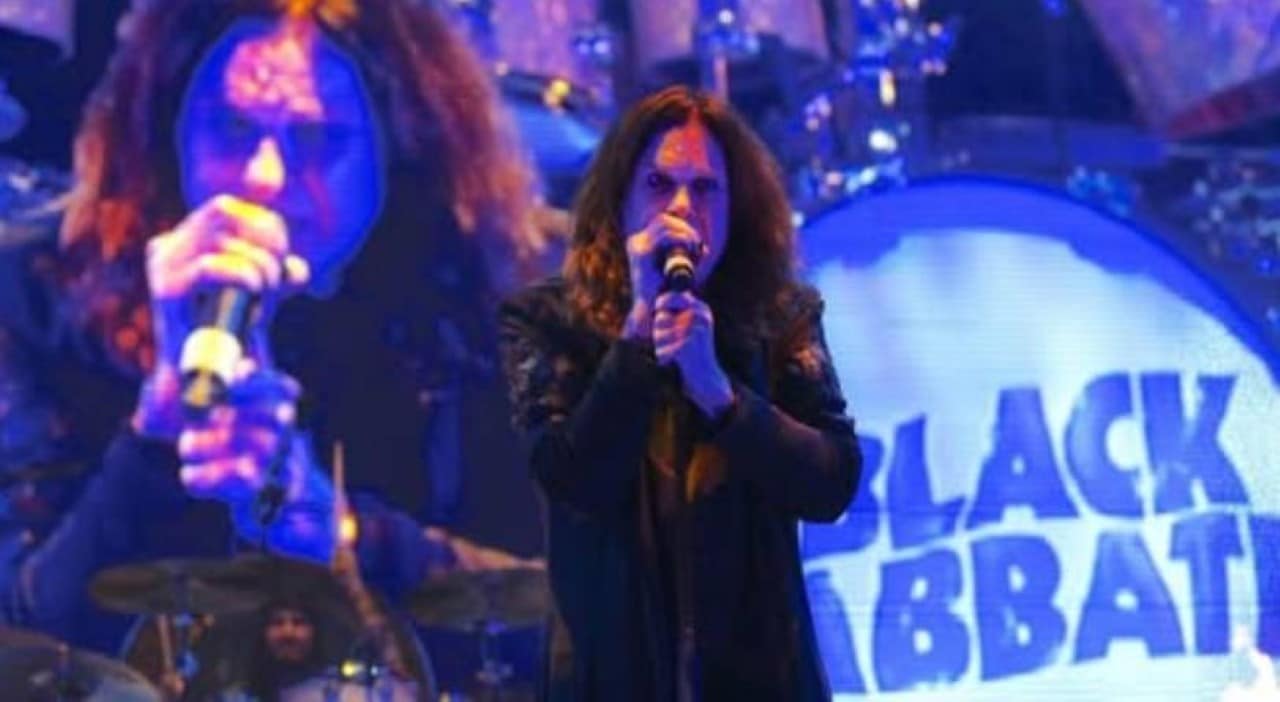
- Impact on heavy metal: Osbourne and Black Sabbath defined the genre with albums like Paranoid.
- Solo career: After leaving the band, he released hits like Crazy Train.
- Personal life: The reality show revealed a charismatic, family-oriented side.
- Cultural legacy: Inspired bands like Metallica and Guns N’ Roses.
The mourning for Osbourne reflects his significance as a cultural icon. His journey, marked by controversies and talent, remains unparalleled.
Origins of a rock icon
Born John Michael Osbourne on December 3, 1948, in Aston, Birmingham, Ozzy left school at 15. He worked manual jobs, like factory work, and was briefly imprisoned for petty theft before finding his true calling in music. In the late 1960s, he joined Tony Iommi (guitar), Geezer Butler (bass), and Bill Ward (drums) to form Black Sabbath, a band that would revolutionize rock. Inspired by blues but with a heavier sound and darker lyrics, they created something new, later called heavy metal.
The early albums, like Black Sabbath (1970) and Paranoid (1971), set the tone for the genre. Songs like Iron Man and War Pigs blended heavy riffs with themes of the occult and social critique. Osbourne’s distinctive, almost theatrical voice became the band’s signature. Despite the success, his departure from Black Sabbath in 1979, due to conflicts and drug issues, marked the start of an equally impactful solo career.
Historic farewell concert
Ozzy Osbourne’s final show on July 5, 2025, at Villa Park stadium in Birmingham was a milestone. Despite his declining health due to Parkinson’s, he took the stage on a black throne, performing Black Sabbath and solo classics. The event, titled “Back to the Beginning,” drew 40,000 fans in person and millions via livestream. Artists like Metallica, Guns N’ Roses, and Yungblud joined, paying tribute to his legacy.
- Memorable setlist: Included Paranoid, Iron Man, and Crazy Train.
- Stage tributes: Metallica’s James Hetfield stated the band wouldn’t exist without Black Sabbath.
- Social impact: The £140 million raised was donated to charitable causes.
- Crowd emotion: Fans sang in unison, celebrating Osbourne’s career.
Though visibly frail, Osbourne surprised with his vocal strength. He engaged the audience, urging them with phrases like “Let the madness begin!” The event was described as a vibrant celebration of his career.
Heavy metal legacy
Black Sabbath’s influence on heavy metal is unmatched. The band is often credited with creating the genre, with its heavy riffs and dark themes. Osbourne’s charismatic performance was key to the group’s early success. After leaving the band, his solo career solidified his status, with albums like Blizzard of Ozz (1980) and No More Tears (1991).
His impact extended beyond music. His eccentric personality and energetic, often controversial shows, like the 1982 incident where he bit the head off a bat (mistaking it for a toy), made him a legendary figure. He survived decades of excess, including drug and alcohol abuse, and remained sober since 2006.
- Musical innovations: Introduced a heavier sound that inspired bands like Metallica and Slipknot.
- Stage presence: Known for intense performances and striking facial expressions.
- Recognition: Inducted into the Rock and Roll Hall of Fame with Black Sabbath (2006) and as a solo artist (2024).
Emotional tributes from artists and fans
Osbourne’s death sparked a wave of tributes. Metallica posted a photo with the singer, accompanied by a broken heart emoji. Elton John described him as “a true friend and pioneer.” Ronnie Wood of the Rolling Stones highlighted the beauty of the farewell concert. In Birmingham, fans left flowers on a dedicated bench, while UK Justice Secretary Shabana Mahmood called him “one of Birmingham’s greatest gifts to the world.”
Yungblud, who performed at the farewell show, wrote on Instagram that Osbourne “defined a culture” and his laughter “filled the room.” David Beckham and Rod Stewart also paid tribute, emphasizing his impact as an entertainer and friend.
The Osbournes and TV reinvention
Beyond music, Osbourne reached new audiences with the MTV reality show The Osbournes (2002-2005). The series showcased his family life with wife Sharon and children Jack and Kelly in Los Angeles. With humor, raw language, and tender moments, it revealed a more human side of the “Prince of Darkness,” earning a global audience and an Emmy.
- Reality show popularity: Became a TV milestone, popularizing family reality formats.
- Domestic life: Showed Osbourne as a loving father, despite his rebellious rocker image.
- Cultural impact: Inspired shows like Keeping Up with the Kardashians.
The show highlighted Osbourne’s versatility, navigating between stage and everyday life with authenticity.
Health and resilience
Diagnosed with Parkinson’s in 2019, Osbourne faced significant challenges in recent years. Yet, he continued performing, adapting to physical limitations. At the farewell show, he remained seated but maintained his energy and connection with the audience. His resilience inspired fans and peers, who saw him as a symbol of perseverance.
Osbourne was also open about his struggle with addiction, having faced periods of drug and alcohol abuse. His sobriety from 2006 onward was a milestone, allowing him to remain active in music and TV.
A farewell in Birmingham
Choosing Birmingham for the farewell concert was symbolic. The city, where Osbourne was born and formed Black Sabbath, was the perfect setting to close his career. The event, featuring his original Black Sabbath bandmates, was a tribute to his journey and the band’s history.
Osbourne’s death marks the end of an era, but his legacy endures. His contributions to heavy metal, pop culture, and TV continue to resonate, inspiring new generations of musicians and fans.
