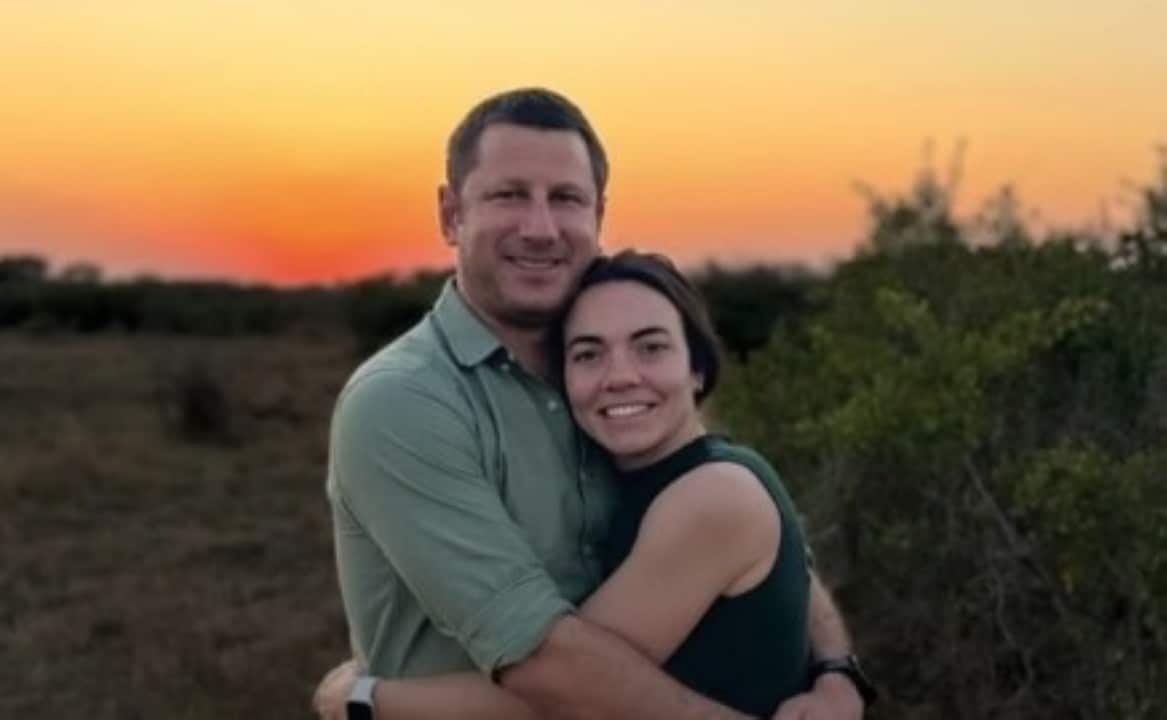
A tragic incident shook the wildlife conservation community in South Africa this week when FC Conradie, 39, CEO and co-owner of Gondwana Private Game Reserve, was trampled to death by a bull elephant. The event occurred on the morning of July 22, around 8 a.m., inside the reserve located in Mossel Bay, Western Cape province. Conradie was on foot, attempting to guide a herd of elephants away from tourist lodging areas, when the animal, estimated at six tons, suddenly charged, using its tusks to injure him before trampling him multiple times. Despite the rapid arrival of emergency teams, the executive was declared dead at the scene due to severe multiple injuries. The reserve issued a statement mourning the premature loss and requesting privacy for the family, consisting of his wife and three young children. This episode underscores the inherent risks of managing wild animals in ecotourism environments, where professionals like Conradie dedicate their lives to preserving African wildlife. Police authorities opened an inquiry to investigate the exact circumstances, including whether safety protocols were adequately followed. The elephant involved was removed from the area immediately after the incident, and Gondwana’s administration urged the public to avoid speculation until the investigation is complete.
The reserve, known for its high-end safari experiences, attracts visitors from around the world seeking proximity to nature.
Rescue teams found the scene marked by signs of intense violence, with torn clothing and traces indicating the force of the attack.
Details of the location and operation involved
The Gondwana Private Game Reserve spans thousands of hectares of preserved land, home to elephants, lions, and other iconic African savanna species under protection. Conradie, as the main manager, often participated in field tasks to ensure the safety of both animals and guests. On the day of the incident, he and possibly other team members were monitoring the movement of a herd approaching the luxurious lodges, designed to offer prime views without interfering with the natural habitat.
Initial reports suggest the bull elephant acted unpredictably, possibly driven by stress or territorial defense, though precise details are still under review.
Herd redirection operations are common in private reserves, aiming to minimize conflicts between wildlife and human activities.
- Standard procedures include using specialized vehicles to maintain a safe distance from animals.
- Trained teams assess elephant behavior before any direct intervention.
- In risky situations, auditory or visual alerts are used to disperse groups without physical contact.
- Gondwana maintains strict protocols, updated annually based on international conservation organization guidelines.
Profile of the executive and his conservation legacy
FC Conradie was seen as a central figure in South Africa’s ecotourism sector, having co-founded Gondwana to restore degraded ecosystems and promote biodiversity. His approach combined sustainable business with environmental protection initiatives, such as programs to reintroduce endangered species. Friends and colleagues described him as a visionary leader, passionate about nature and dedicated to educating visitors on the importance of preservation.
Before becoming CEO, Conradie gained experience in reserve management, contributing to projects that benefited local communities through jobs and environmental education.
His death represents a significant loss for the field, where professionals like him balance tourism with conservation ethics.
The executive leaves behind a network of partnerships that helped position Gondwana as a premium destination, with accommodations ranging from luxury tents to exclusive villas.
Immediate response and safety measures
Immediately after the incident, the reserve activated its emergency plan, isolating the affected area and notifying competent authorities. Paramedics arrived within minutes, but the injuries caused by the tusks and trampling were incompatible with life. The local police, alongside wildlife experts, began an investigation to determine whether factors such as the elephant’s behavior or environmental conditions contributed to the attack.
The administration emphasized that animal welfare remains a priority, and the elephant has been closely monitored since, showing no signs of recurring aggression.
Tributes from colleagues highlight Conradie’s commitment to safe practices, though the episode raises questions about the growing challenges in reserves where elephant populations are increasing.
- Continuous elephant monitoring involves GPS trackers to predict movements.
- Regular team training focuses on recognizing signs of animal stress.
- Collaborations with specialized veterinarians help manage herd health and behavior.
- Infrastructure updates, such as natural barriers, aim to reduce risky encounters.
Impact on the community and safari industry
The news of Conradie’s death quickly spread among conservationists and tourism operators in South Africa, where private reserves like Gondwana generate substantial revenue for the local economy. Many expressed solidarity with the family, acknowledging the risks inherent in working in wild environments. The reserve continues to operate normally, focusing on honoring the executive’s legacy through ongoing protection initiatives.
Communities near Gondwana benefit from social programs implemented by Conradie, including training for local guides and support for rural schools.
The safari industry, which attracts millions of visitors annually, may review protocols in response to this event, prioritizing technologies like drones for remote monitoring.
Experts note that incidents with elephants, though rare, occur when human interference disrupts natural migratory routes.
Environmental aspects and management challenges
African elephants, like the one involved in the incident, are known for their intelligence and complex social structures, making management in confined reserves a delicate task. Gondwana adopts conservation strategies that include ecological corridors to allow free movement, reducing animal stress. Conradie was an advocate for non-invasive approaches, promoting research on elephant behavior to improve coexistence.
Climate change affects herd feeding patterns, leading to more interactions with human areas.
Partner organizations conduct regular studies to assess elephant populations and health.
- Factors like drought influence resource searches, increasing conflict risks.
- Selective sterilization programs help control numbers without hunting.
- University partnerships provide scientific data for informed decisions.
- Community education initiatives teach warning signs to avoid accidents.
- Veterinary monitoring includes periodic check-ups to detect issues early.
Tributes and operational continuity
Several environmental sector entities sent condolences, highlighting Conradie’s role in habitat restoration projects that benefited not only elephants but also rhinos and big cats. The reserve plans memorial events to honor him, reinforcing commitments to sustainability. Employees report that the executive was approachable and motivating, inspiring teams to prioritize conservation ethics.
The family received immediate support, with the administration ensuring privacy during mourning.
Daily operations continue with reinforced teams, maintaining a focus on safe guest experiences.
Conradie’s legacy includes reserve expansions that increased protected areas, contributing to national biodiversity goals.
Ongoing investigative procedures
The police inquiry examines witness testimonies, as well as data from cameras and animal trackers. Wildlife experts are involved to analyze the elephant’s behavior, determining if it was part of a herd known for prior interactions. Gondwana is fully cooperating, providing records of protocols followed during the operation.
Preliminary results indicate the attack lasted about 30 seconds, with the animal acting defensively.
Updates are expected in the coming weeks, potentially influencing industry regulation adjustments.
- Analyses include reviewing surveillance footage from nearby areas.
- Interviews with field teams collect firsthand perspectives.
- Post-mortem examinations confirm the exact causes of injuries.
- Environmental reports assess conditions on the day of the incident.
