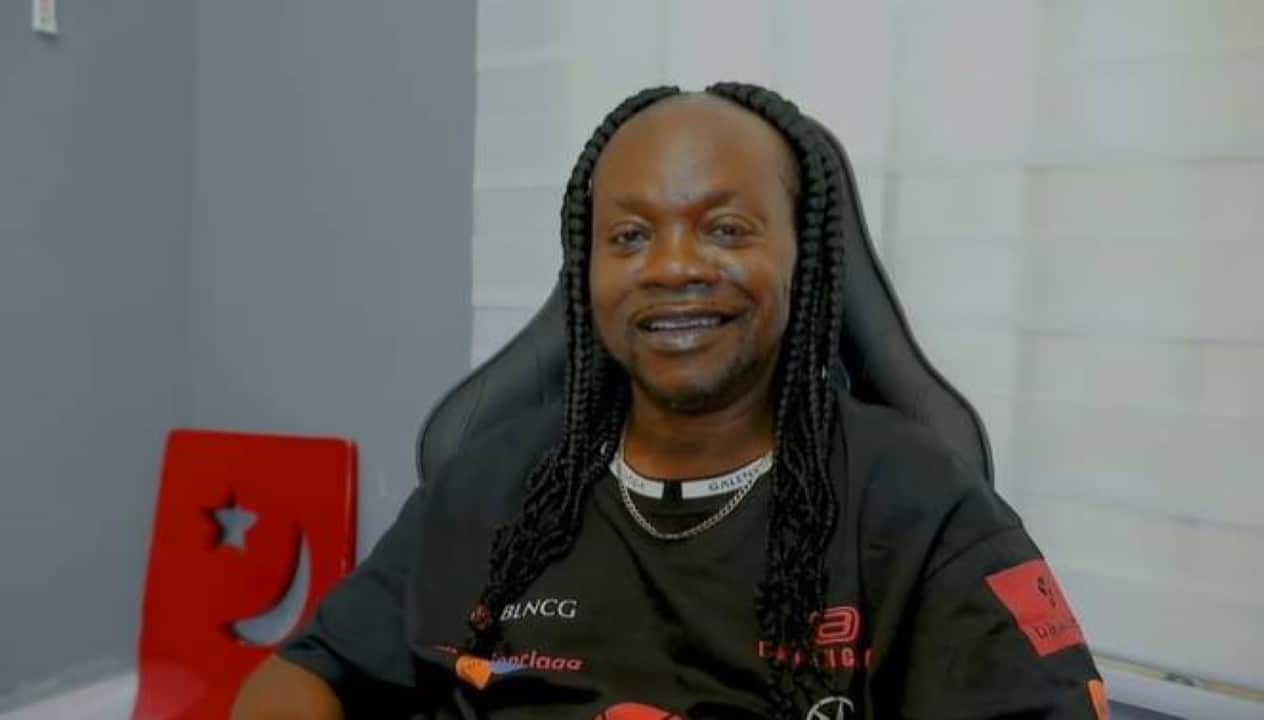
Charles Kojo Fosu, widely known as Daddy Lumba, a towering figure in Ghanaian highlife music, passed away at 60 on Saturday, July 26, 2025, at The Bank Hospital in Accra, Ghana, following a short illness. The family confirmed his death through a statement, mourning the loss of a cultural icon whose 33 albums, including hits like “Aben Wo Ha” and “Yentie Obiaa,” shaped Ghana’s musical identity. Born on September 29, 1964, Lumba’s career spanned over three decades, blending traditional rhythms with modern sounds, earning him fans across generations. His passing triggered an outpouring of tributes on social media and his radio station, DL 106.9 FM, which began airing his songs non-stop. The family, requesting privacy, promised to announce funeral arrangements soon, leaving Ghana and the African music community in grief.
Lumba’s influence extended beyond music, touching Ghana’s cultural fabric. His radio station, DL FM, emphasized his 35-year career, noting his ability to rival younger artists. Tributes from figures like broadcaster Serwaa Amihere and former Vice President Mahamudu Bawumia underscored his legacy.
The news broke early Saturday, with DL FM and fans flooding social media with memories. Lumba leaves behind his wife, children, and a monumental contribution to highlife music.
- Career highlights of Daddy Lumba:
- Released 33 albums, including “Sika Asem” and “Awosoo.”
- Mentored artists like Ofori Amponsah and Kuami Eugene.
- Won multiple Ghana Music Awards, including Artist of the Year.
- Founded DL 106.9 FM, a Twi-language radio station in Accra.
Rise to highlife stardom
Born in Nsuta, Ashanti Region, Charles Kojo Fosu began his musical journey in the 1980s. He formed the Nkwanta Wesley Singers, gaining local fame. His nickname, Daddy Lumba, originated from a song titled “Lumba Lumba,” dedicated to South African freedom fighters, which became a regional hit. After moving to Germany, he teamed up with Nana Acheampong to form the Lumba Brothers, releasing their debut album, “Yɛɛyɛ Aka Akwantuo Mu,” in 1986. The album’s success laid the foundation for his solo career, launched in 1990 with “Obi Ate Meso Buo,” a landmark highlife record.
Lumba’s solo work cemented his status as a highlife pioneer. His 1999 album “Awosoo” earned him three Ghana Music Awards, including Best Album and Artist of the Year. His ability to craft songs in Twi, blending romance and social commentary, made him a household name.
Cultural impact of his music
Daddy Lumba’s music defined Ghanaian highlife, merging traditional rhythms with contemporary beats. His lyrics, often in Twi, explored love, struggle, and resilience, resonating with diverse audiences. Tracks like “Theresa” and “Playboy” became anthems, while albums such as “Wo Ho Kyere” and “Ahenfue Kyinkye” shaped the genre’s evolution. Lumba’s adaptability kept him relevant, competing with Gen Z artists like Kuami Eugene, whom he inspired.
As a mentor, Lumba nurtured talents like Ofori Amponsah and Ateaa Tina. In 2022, he launched DL 106.9 FM, amplifying highlife and supporting new artists. His final performance, on February 15, 2025, at the Accra International Conference Center, showcased his enduring appeal.
- Iconic Daddy Lumba albums:
- “Yɛɛyɛ Aka Akwantuo Mu” (1986, with Nana Acheampong).
- “Obi Ate Meso Buo” (1990, solo debut).
- “Sika Asem” (1992, a highlife classic).
- “Awosoo” (1998, romantic masterpiece).
- “Ofon Na Edi Asem Fo” (2022, final release).
Tributes pour in for Lumba
The announcement of Daddy Lumba’s death sparked widespread mourning. Broadcaster Serwaa Amihere called it a “devastating moment,” labeling him the greatest musician ever. Former Vice President Mahamudu Bawumia hailed Lumba’s three-decade career as a national treasure. Kofi Okyere-Darko, a government official, credited Lumba as his life’s inspiration, dubbing him Ghana’s greatest in a century. Musicians like Sista Afia expressed heartbreak, while M.anifest called him iconic.
DL 106.9 FM shifted to a Lumba-only playlist, with fans sharing memories online. Rapper Guru named him a trailblazer, and UN editor Ben Dostei Malor prayed for his family. Socialite Efia Odo described Lumba as a poet for the people, reflecting Africa’s collective loss.
A career of milestones
Lumba’s discography includes over 100 songs, with 33 albums spanning highlife, gospel, and afrobeat. He won Ghana Music Awards in 2000 and 2003, solidifying his dominance. His studio expertise, using personal recording equipment, set him apart. Lumba’s mentorship extended to 13 artists, shaping Ghana’s music scene. His radio station, DL FM, became a platform for Twi-language content, preserving highlife’s legacy.
- Daddy Lumba’s achievements:
- 33 albums over 35 years.
- Three Ghana Music Awards in 1999.
- Named Ghana’s most influential highlife artist.
- Launched DL 106.9 FM in 2022.
- Mentored 13 artists, including Ateaa Tina.
Final performance in Accra
Daddy Lumba’s last public appearance was a Valentine’s Day concert on February 15, 2025, at the Accra International Conference Center. Performing love songs like “Theresa” and “Yentie Obiaa,” he captivated fans alongside other artists. Attended by former President John Kufuor, the event highlighted Lumba’s charisma at 60. Videos of the performance, shared widely online, now serve as a poignant farewell.
The concert showcased Lumba’s ability to unite generations, with fans young and old singing along. DL FM later described the event as a testament to his timeless energy, unaware it would be his final bow.
Ghana’s loss, Africa’s legacy
Daddy Lumba’s death leaves a void in African music. His highlife anthems, rooted in Ghanaian culture, inspired artists across the continent. Known for his humility, Lumba often mingled with fans at concerts and community events. DL FM continues to promote his vision, nurturing young talent. The family’s call for privacy has been respected, but vigils in Accra and Kumasi are already underway.
Funeral details remain pending, but Lumba’s music— blending tradition and modernity—ensures his immortality. His legacy, as Efia Odo noted, lives in the heart of every Ghanaian.
- Notable tributes:
- Serwaa Amihere: “The greatest of all time.”
- Mahamudu Bawumia: “A blow to the nation.”
- Efia Odo: “Voice of the broken, poet of the people.”
- M.anifest: “An iconic figure.”
