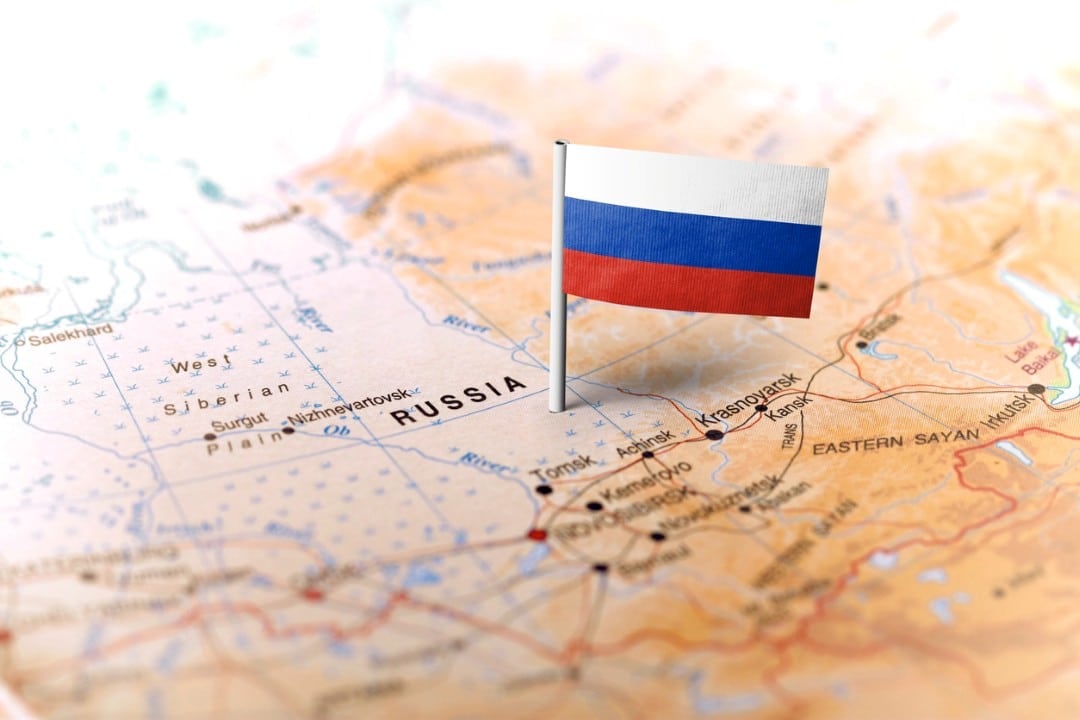
A powerful earthquake of magnitude 8.7 struck the east coast of Russia, near the Kamchatka Peninsula, on the evening of July 29, 2025, triggering tsunami alerts in various regions of the Pacific Ocean. The epicenter, located about 125 km from Petropavlovsk-Kamchatsky, a city with 165 thousand inhabitants, was recorded at a depth of 19.3 km, a shallow depth that amplifies the risk of tsunamis. Russian authorities confirmed waves up to 4 meters in areas of the peninsula, while Japan, Hawaii, Alaska, and other coastal regions of the Pacific were placed under alert. Evacuations were initiated in vulnerable areas, and the Japanese government issued emergency warnings for its east coast, forecasting waves up to 3 meters. In the United States, Hawaii ordered the evacuation of coastal areas, with the first waves expected around 7:17 PM local time.
Russian authorities reported material damage, including minor injuries at a regional airport, and began evacuating residents in cities like Severo-Kurilsk, on Sakhalin Island. The region, situated in the Pacific Ring of Fire, is known for its intense seismic activity, making events like this particularly dangerous.
- Magnitude of the event: 8.7, classified as a megathrust earthquake, with high destructive potential.
- Affected areas: Russia, Japan, Hawaii, Alaska, and other coastal regions of the Pacific.
- Immediate actions: Evacuations underway and tsunami alerts issued in multiple countries.
Terremoto de 8,7 grados en la península de Kamchatka en Rusia. Alerta de Tsunami en el Pacífico. #rusia pic.twitter.com/7XnM22ghIw
— telebunker (@telebunker_) July 30, 2025
Details of the earthquake and its initial impacts
The tremor, recorded at 7:24 PM Brasília time, had its epicenter 125 km southeast of Petropavlovsk-Kamchatsky, a port city in Avacha Bay. The shallow depth of 19.3 km, according to the United States Geological Survey (USGS), increased the likelihood of tsunami formation, as earthquakes close to the surface displace large volumes of water. The governor of Kamchatka, Vladimir Solodov, described the event as the strongest in decades in the region, with significant material damage, including the partial destruction of a kindergarten in Yelizovo. Despite this, there are no reports of fatalities so far.
The Russian state agency Tass reported minor injuries, mainly at a local airport, where the structure was damaged. In Severo-Kurilsk, a city with about 2 thousand inhabitants, local authorities ordered immediate evacuation to higher ground, aiming to protect the population from possible tsunami waves.
Tsunami alert and safety measures
The Pacific Tsunami Warning Center (PTWC) issued warnings for various regions, highlighting the risk of destructive waves. In Russia, waves of 3 to 4 meters have already hit coastal areas near the epicenter, according to local authorities. In Japan, the Japan Meteorological Agency (JMA) warned of waves up to 3 meters, with arrival expected in Hokkaido at 10 AM local time and, later, in other areas of the east coast, including Wakayama.
- Russia: Waves up to 4 meters recorded; evacuations in Kamchatka and Sakhalin.
- Japan: Alerts for the east coast, from Hokkaido to Wakayama, with forecast of waves from 1 to 3 meters.
- Hawaii: Evacuation ordered in coastal areas, with estimated arrival at 7:17 PM (HST).
- Alaska: Warning for the Aleutian Islands, with waves forecast from 4:46 PM (ADT).
- Other regions: Alerts for Pacific islands, such as Guam and Northern Mariana Islands.
The Japanese government activated an emergency committee at 8:37 AM, coordinated by Prime Minister Ishiba, to manage the disaster response. The public broadcaster NHK began transmitting updates in multiple languages, including English, Brazilian Portuguese, and Vietnamese, to serve the foreign population.
International response and areas at risk
In the United States, Hawaii issued a tsunami alert with mandatory evacuations in coastal areas, including parts of Oahu, such as Honolulu. The PTWC warned that waves up to 3 meters could hit the northwestern islands of the archipelago, with risk of significant damage. In Alaska, areas like the Aleutian Islands are under alert, with wave forecasts starting at 4:46 PM local time. The west coast of the US, including California, Oregon, and Washington, was placed under a monitoring alert, with estimated wave arrival around 12:15 AM on July 30.
Countries like Mexico, Chile, and Ecuador also received warnings, although the risk is considered lower. Pacific islands, such as Palau and the Marshall Islands, were alerted for waves between 0.3 and 1 meter. The scope of the alerts reflects the severity of the earthquake, which is among the strongest recorded since the 9.0 megathrust earthquake that devastated Japan in 2011.
Geological context of the region
The Kamchatka Peninsula, located in the Pacific Ring of Fire, is one of the most seismically active areas on the planet. This region, where the Pacific and North American tectonic plates meet, frequently records tremors and volcanic eruptions. Since 1900, the area has been the site of seven earthquakes of magnitude 8.3 or higher, according to historical data. The shallow depth of the July 29 tremor intensified the impacts, increasing the potential for large-scale tsunamis.
- Ring of Fire: Encompasses the margins of the Pacific Ocean, with high seismic activity.
- History of tremors: Seven events above 8.3 since 1900 in the Kamchatka region.
- Tsunami risk: Shallow depth (19.3 km) favors water displacement.
Prevention measures and preparation
Authorities in all affected regions reinforced the importance of preventive measures. In Japan, experience with the 2011 tsunami led to significant improvements in alert and disaster response infrastructure. Emergency sirens were activated, and the population was instructed to seek elevated areas or reinforced buildings. In Hawaii, evacuation zone maps were widely disseminated, with clear guidelines for residents and tourists.
- Immediate evacuation: Coastal areas must be abandoned quickly.
- Seek elevated areas: It is recommended to climb to at least 30 meters above sea level.
- Monitor alerts: Authorities request continuous monitoring of updates.
- Safe structures: Tall and reinforced buildings are indicated as shelters.
Expected impacts and continuous monitoring
The magnitude 8.7 earthquake is classified as a megathrust earthquake, capable of causing extensive damage near the epicenter. Although initial impacts in Russia are limited to material damage and minor injuries, the tsunami risk remains high. Authorities continue to monitor the situation, as secondary waves can be higher and more dangerous than the initial ones. In Japan, train services were suspended in coastal areas, and companies were instructed to halt operations in risk zones.
The USGS highlighted that the magnitude may be revised with new data, but the event is already considered one of the most significant of 2025. The international community remains on alert, with emergency teams mobilized to respond to possible impacts.
