Over 7,000 cases of chikungunya, a mosquito-borne disease, have been reported in China’s Guangdong province since July, with Foshan being the hardest-hit city. Local authorities have implemented strict measures, including mandatory hospitalization of patients, use of mosquito nets, and the release of larvae-eating fish in lakes. The disease, causing fever and severe joint pain, has triggered alerts in 13 cities in the region, including one case in Hong Kong. Actions such as eliminating stagnant water and deploying drones for monitoring have been intensified to curb the outbreak. The World Health Organization emphasizes that preventing mosquito breeding is key to controlling the spread. The swift response aims to avoid panic, as chikungunya is not contagious between humans but is concerning due to the prolonged pain it can cause.
The outbreak, with around 3,000 cases reported in the last week alone, has prompted large-scale efforts. Foshan, the epicenter, has seen the use of innovative technologies and biological methods to combat the Aedes aegypti mosquito, the disease’s main vector. Although the situation is under control, with 95% of patients discharged within seven days, it has drawn comparisons to measures used during the Covid-19 pandemic.
- Foshan measures include mandatory hospitalization with mosquito nets.
- Authorities released 5,000 larvae-eating fish in local lakes.
- Fines of up to 10,000 yuan for failing to eliminate stagnant water.
- Drones identify mosquito breeding sites in urban areas.
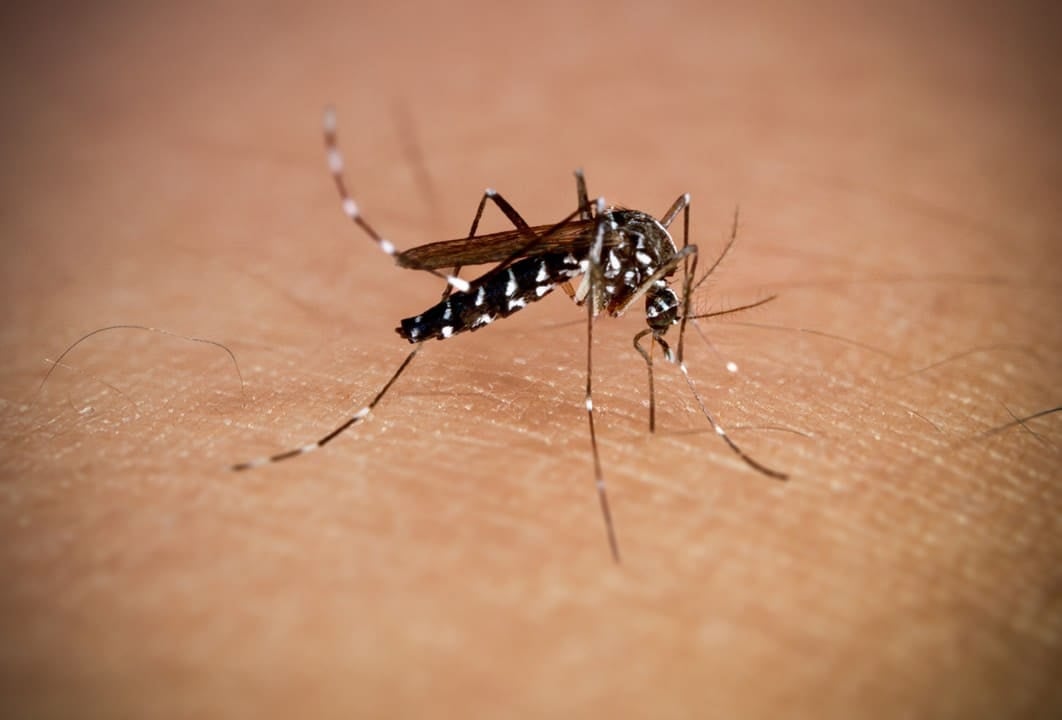
Innovative strategies against the vector
Guangdong province has adopted a multifaceted approach to combat the spread of the mosquito vector. In addition to releasing fish that consume larvae, authorities have introduced “elephant mosquitoes,” a species that preys on smaller chikungunya-carrying mosquitoes. This biological strategy, combined with drones to locate stagnant water, reflects an effort to blend technology and natural control. In Foshan, these actions are intensified in densely populated urban areas, where containers like plant pots and bottles facilitate Aedes aegypti breeding.
The response also includes awareness campaigns. Flyers and social media messages urge residents to check appliances, such as coffee machines, that may hold water. Enforcement is strict, with fines imposed on homes and businesses that fail to comply. These actions aim to quickly reduce mosquito breeding sites, as chikungunya spreads solely through the bite of infected mosquitoes.
- Larvae-eating fish released in Foshan’s lakes and rivers.
- “Elephant mosquitoes” used to eliminate smaller vectors.
- Drones map stagnant water sources in real time.
- Awareness campaigns promote the removal of domestic breeding sites.
Public reaction and regional impact
The outbreak has sparked concern among Guangdong residents, particularly in Foshan, where the disease is less known. Comments on platforms like Weibo reflect fears of prolonged joint pain, one of chikungunya’s most debilitating symptoms. Some residents questioned the need for initial quarantine measures for travelers, which were later lifted amid criticism. Comparisons to Covid-19 restrictions have fueled debates about the proportionality of the measures.
In Hong Kong, the case of a 12-year-old boy who traveled to Foshan in July raised alerts. Authorities there have increased vigilance near the Guangdong border. Experts note that the disease does not spread directly between people, reducing the risk of an uncontrolled epidemic. The rapid recovery of most patients, with 95% discharged within a week, also helps mitigate panic.
The economic impact, though not yet quantified, is a concern for sectors like tourism and local commerce. The United States issued a travel advisory, urging caution for visitors to China. The measure reflects the perceived severity of the outbreak, even though chikungunya deaths are rare.
Characteristics and risks of chikungunya
Chikungunya, first identified in Tanzania in 1952, is known for symptoms that appear three to seven days after an infected mosquito bite. Beyond fever and joint pain, patients may experience rashes, muscle pain, and swollen joints. While most recover quickly, severe cases, particularly in the elderly and those with conditions like diabetes or heart disease, can lead to chronic pain lasting months or years.
The lack of a specific cure makes prevention critical. Measures like using repellents, wearing long sleeves, and eliminating stagnant water are recommended. The World Health Organization stresses that controlling mosquito breeding sites is the primary way to prevent outbreaks. In Guangdong, heat and humidity create favorable conditions for Aedes aegypti, necessitating ongoing efforts.
- Symptoms include fever, joint pain, and rashes.
- Severe cases affect the elderly and those with comorbidities.
- Prevention relies on eliminating mosquito breeding sites.
- No cure exists, but deaths are rare, per experts.
Preventive actions and local challenges
Guangdong authorities face the challenge of balancing effective measures with public acceptance. The release of predatory fish and drone use are seen as promising innovations, but strict enforcement and fines have drawn criticism. Residents report difficulties eliminating stagnant water in dense urban areas, where infrastructure often hinders control. Additionally, limited awareness of chikungunya complicates adherence to preventive campaigns.
Guangdong’s experience could serve as a model for other tropical regions where chikungunya is endemic. The combination of technology, biological control, and community engagement is viewed as a modern approach to mosquito-borne diseases. However, success depends on sustained efforts and public cooperation.
- Strict enforcement imposes fines of up to 10,000 yuan.
- Drones aid in identifying breeding sites in urban areas.
- Awareness campaigns face resistance in some communities.
- Biological control with fish is an innovative bet.
Disease history in the region
Though rare in China, chikungunya is common in South and Southeast Asia and parts of Africa. The current outbreak in Guangdong is the largest recorded in the country, surpassing previous sporadic cases. Proximity to Hong Kong, a major travel hub, heightens the need for vigilance. The disease has been reported in over 110 countries, underscoring its ability to spread in tropical and subtropical regions.
Guangdong’s rapid urbanization and climate create an ideal environment for Aedes aegypti. High population density and constant traveler flow complicate mosquito control. Still, authorities claim the outbreak is under control, with most cases being mild. The experience gained could strengthen responses to future outbreaks of similar diseases, like dengue and Zika, transmitted by the same vector.
- Chikungunya has affected over 110 countries since 1952.
- Guangdong records China’s largest outbreak of the disease.
- Urbanization and climate favor mosquito proliferation.
- Vigilance is heightened in high-traffic areas.