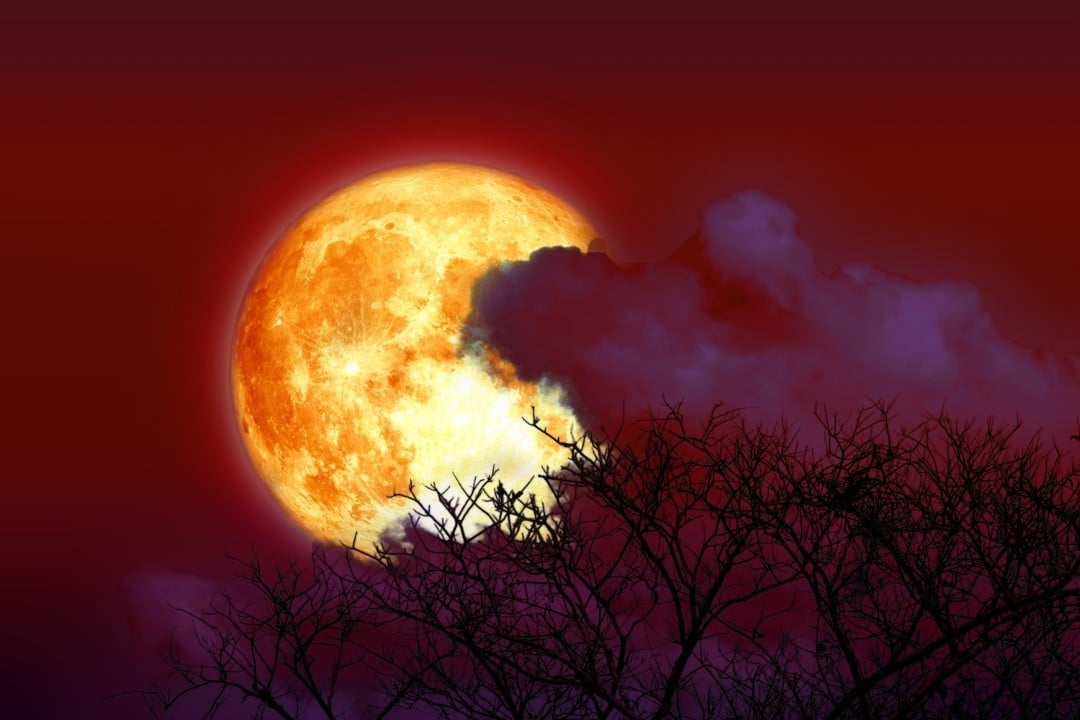
The Sturgeon Moon, the full moon of August 2025, will illuminate the night sky on August 9 at 4:55 AM Brasília time, captivating observers across Brazil, North America, and Europe. This celestial event, visible to the naked eye under clear weather conditions, coincides with the peak of the Perseid meteor shower from August 11 to 13 and a striking alignment of six planets. Named after the abundant sturgeon fish of North America’s Great Lakes, the Sturgeon Moon carries cultural significance rooted in indigenous traditions. Stargazers can enhance their experience by choosing rural locations with minimal light pollution, as recommended by NASA. The alignment, featuring Venus, Jupiter, and Saturn, adds a dazzling visual to the lunar spectacle, making August a prime month for astronomy enthusiasts.
This cosmic display offers a unique opportunity for both amateur and professional astronomers. While not a supermoon, the Sturgeon Moon’s brightness will dominate the sky, complemented by the Perseids’ potential to produce up to 100 meteors per hour.
- Key August events: Full moon on August 9, Perseid meteor shower peak from August 11-13, and planetary alignment on August 11.
- Observation tip: Select dark, rural sites and check weather forecasts.
- Recommended tools: Binoculars or telescopes for viewing Uranus and Neptune.
August 2025 promises a breathtaking celestial showcase, blending natural beauty with scientific wonder.
Historical roots of the Sturgeon Moon
The Sturgeon Moon derives its name from indigenous tribes in the northern United States and southern Canada, particularly those near the Great Lakes. August marked the peak season for catching sturgeon, a large freshwater fish central to tribal sustenance. Popularized by the “Farmer’s Almanac” since 1792, the name reflects seasonal activities, with alternative titles like Corn Moon or Harvest Moon tied to agricultural cycles in other cultures.
Though not a supermoon, as the lunar perige occurs on August 14, the Sturgeon Moon may appear larger near the horizon due to an optical illusion. NASA suggests observing it at dusk on August 8 or dawn on August 9 for optimal viewing. The moon’s brilliance will enhance its visibility across multiple nights.
Perseid meteor shower details
The Perseid meteor shower, one of the year’s most spectacular, peaks from August 11 to 13, with activity spanning July 17 to August 24. Originating from debris of the comet 109P/Swift-Tuttle, the shower is named after the Perseus constellation, its radiant point. Under ideal conditions, observers may see up to 100 meteors per hour, though in Brazil, visibility may be lower due to Perseus’s low elevation.
The waning gibbous moon, at 84% illumination, could obscure fainter meteors. NASA advises viewing after midnight in dark locations, using natural barriers to block lunar glare.
- Shower peak: August 11-13, with maximum activity on the night of August 12.
- Meteor rate: Up to 100 per hour in dark skies, fewer in Brazil.
- Best time: Post-midnight, with the radiant higher in the sky.
- Observation tip: Locate Perseus in the northern sky.
Planetary alignment: a cosmic parade
On August 11, a rare alignment of six planets—Mercury, Venus, Jupiter, Saturn, Uranus, and Neptune—will grace the pre-dawn sky. Though not perfectly aligned, their visual clustering creates a striking effect, with the waning moon adding drama. Venus, Jupiter, and Saturn will be visible without equipment, while Uranus and Neptune require binoculars or telescopes due to their faintness.
The Venus-Jupiter conjunction on August 11-12, visible in the Gemini constellation, will be a highlight, with the planets separated by less than one degree. Mercury will appear near the horizon just before sunrise, while Saturn shines brightly from midnight onward.
- Naked-eye planets: Venus, Jupiter, Saturn.
- Telescopic planets: Uranus, Neptune.
- Prime viewing time: Dawn on August 11, under clear skies.
- Ideal location: Eastern horizon, free of obstructions.
Planning your observation
Choosing the right location is key to enjoying August’s celestial events. Rural areas with clear horizons and minimal light pollution, such as Brazil’s São Paulo countryside or northeastern sertão, offer ideal conditions. Checking weather forecasts ensures unobstructed views, as clouds can spoil the experience.
Binoculars (10×50) or mid-range telescopes (70mm aperture) enhance views of the moon’s craters and distant planets. Astronomy apps like Sky Tonight or Stellarium help pinpoint constellations and planets, tailoring observation times to local conditions.
- Recommended sites: Rural areas with low light pollution.
- Useful gear: 10×50 binoculars or 70mm telescopes.
- Best times: Dusk for the moon, dawn for planets.
- Helpful apps: Sky Tonight, Stellarium.
Additional celestial highlights in August
Beyond the Sturgeon Moon, Perseids, and planetary alignment, August features other notable events. On August 12, the moon will appear near Saturn and Neptune in the Pisces constellation, visible with optical aids. On August 16, the waning moon aligns with the Pleiades star cluster in Taurus, observable without equipment.
Mercury reaches its greatest western elongation on August 19, making it more visible before dawn. The moon approaches Jupiter on August 19, Venus on August 20, and Mercury on August 21. On August 26, the crescent moon pairs with Mars in Virgo, visible early in the evening.
- Moon-Pleiades conjunction: August 16 at 1:09 PM, visible to the naked eye.
- Mercury elongation: August 19, pre-dawn.
- Moon-Mars pairing: August 26 at 11:26 AM, in Virgo.
Tips for amateur astronomers
Successful stargazing requires preparation. Arriving early allows eyes to adjust to darkness, critical for spotting faint meteors or planets. Comfortable clothing, chairs, or blankets make long sessions enjoyable. Avoiding bright screens preserves night vision.
For photography, cameras with long-exposure settings capture meteors effectively, using high ISO (800-1600) and tripods for stability. Lunar filters reduce the moon’s glare, revealing surface details. NASA suggests practicing with equipment beforehand to ensure sharp images.
- Dark adaptation: 20-30 minutes without artificial light.
- Photography gear: Camera with ISO 800-1600, tripod.
- Comfort tips: Warm clothing for chilly nights.
- Light discipline: Avoid flashlights or phone screens.
August 2025’s night sky offers a rare blend of celestial events, accessible to beginners and seasoned observers alike. Strategic planning ensures an unforgettable experience, connecting viewers to the wonders of the cosmos.
