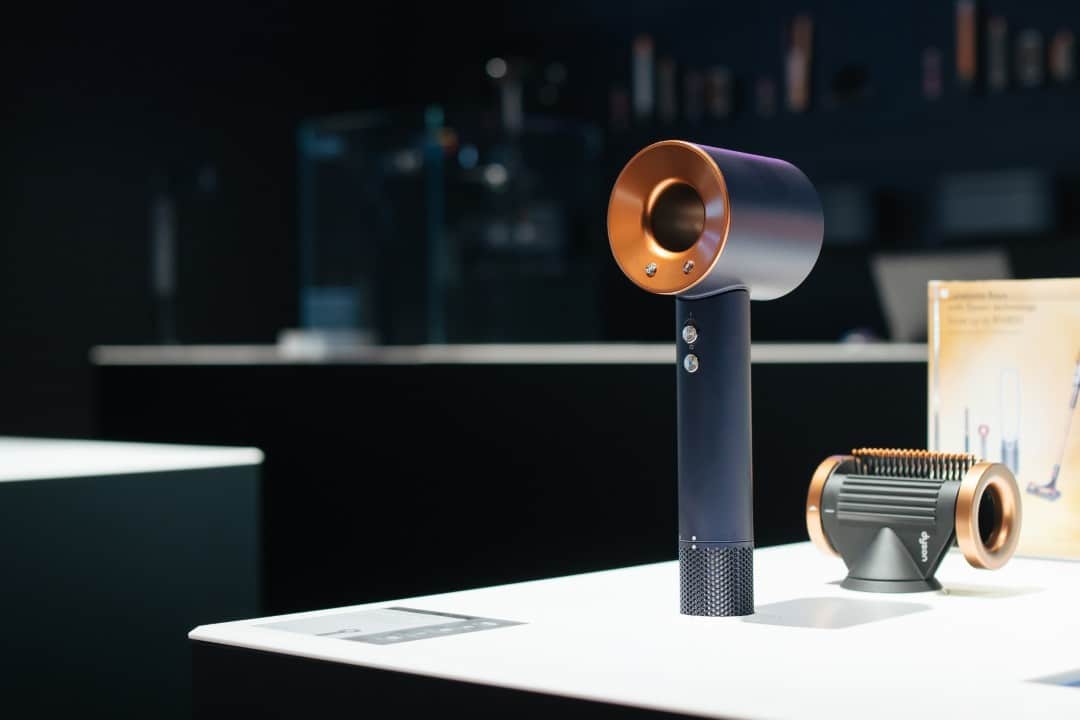
Premium hair dryers from Dyson and Shark, priced up to $900 in Brazil, have taken social media by storm due to their advanced technology and promise to protect hair from damage. Launched recently in the country, the Dyson Supersonic and Shark SpeedStyle stand out with brushless motors, real-time temperature sensors, and ergonomic designs, far surpassing the $30 price tag of standard dryers. In August 2025, these products gain traction among consumers seeking quality and innovation, but their high cost sparks debate. This article explores what makes these dryers so expensive, from rare materials to import taxes.
The core difference lies in cutting-edge technology. Unlike conventional dryers with universal motors, these premium models use digital brushless motors and neodymium magnets, a rare earth element. These components, combined with precise air and temperature control systems, justify the price while offering durability and efficiency.
- Key features of premium dryers:
- Brushless motors for enhanced power and quiet operation.
- Sensors that monitor temperature in real time.
- Ergonomic designs for easier handling.
- Proprietary air flow systems for optimal performance.
Advanced motor technology
Dyson Supersonic and Shark SpeedStyle dryers rely on brushless motors, a leap from the universal motors in cheaper models. These compact motors, like the 27-millimeter unit in the Dyson, are housed in the handle for better balance and ease of use. The lack of internal brushes reduces wear, ensuring longer lifespan and quieter operation.
Neodymium magnets, a rare earth element, further increase production costs. Used in high-tech devices like drones and modern vacuums, these magnets enhance motor efficiency but are expensive to source. The digital control systems also enable precise adjustments, protecting hair from excessive heat and appealing to users who prioritize performance.
Innovative air flow systems
The high price of Dyson and Shark dryers also stems from their proprietary air flow technologies. Dyson’s “air multiplier” system amplifies airflow through a front ring, speeding up drying time. Shark’s SpeedStyle measures temperature 1,000 times per second to prevent heat damage. These features, developed through extensive research, set the dryers apart from conventional models.
- Benefits of air flow systems:
- Faster drying with amplified airflow.
- Reduced risk of heat-related hair damage.
- Precise air control for better styling.
- Automatic temperature regulation for safety.
Such innovations require significant investment, with Dyson reportedly spending $60,000 on human hair tests alone to perfect their products.
Import costs in Brazil
In Brazil, import taxes significantly inflate the prices of Dyson and Shark dryers. As of August 2025, the Dyson Supersonic retails for around $900, while the Shark SpeedStyle costs about $350, compared to $30 for a basic dryer. Neither brand has local manufacturing, making import duties a major factor.
Additionally, these dryers are not bivolt, operating only at 127V or 220V, which has led to complaints from consumers who purchased abroad and face compatibility issues. Buyers must check voltage specifications to avoid problems, adding complexity to the purchase process.
Conventional dryers in comparison
Standard hair dryers, often priced under $30, use universal motors that are noisier and less durable. Lacking digital controls, they offer minimal precision in temperature or airflow, potentially damaging hair over time. However, their energy consumption is similar, with Dyson at 1,600W and Shark at 1,700W, comparable to basic models.
- Differences from standard dryers:
- Universal motors wear out faster.
- No sensors for temperature regulation.
- Basic designs with less focus on ergonomics.
- Slower drying and less styling precision.
While standard dryers meet basic needs, premium models appeal to those seeking superior hair care and longevity.
Social media buzz
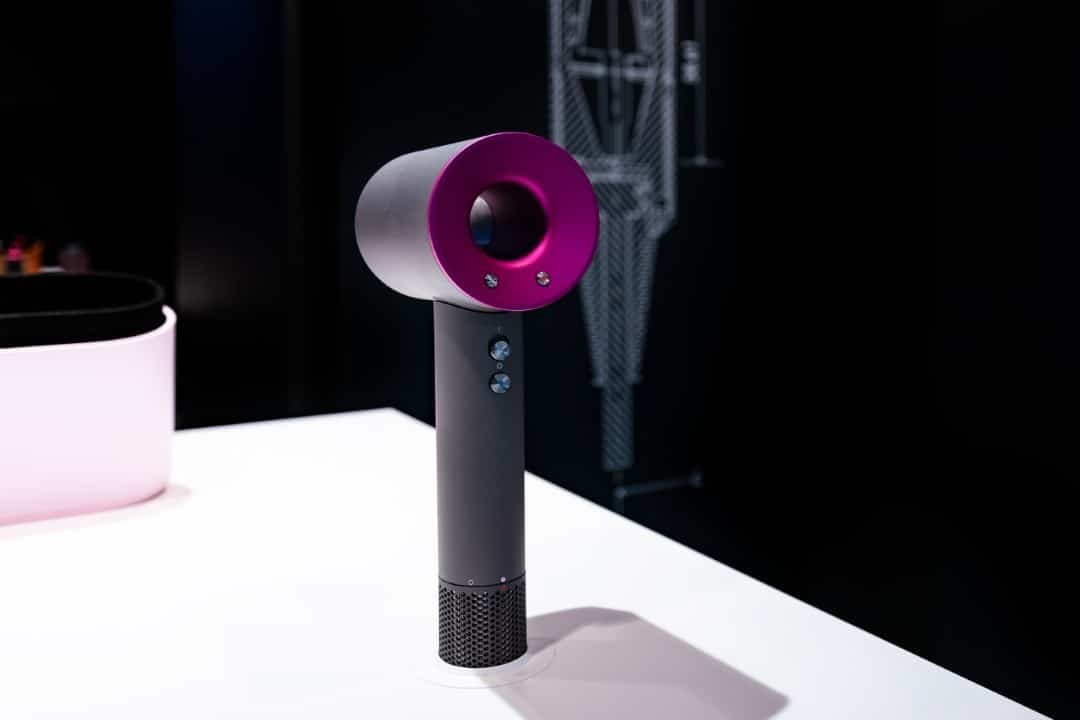
Dyson and Shark dryers have exploded on platforms like TikTok, where influencers showcase their speed and styling capabilities. The sleek design and high-tech features create a sense of luxury, akin to owning a high-end smartphone or gaming console. This social media hype drives demand among urban consumers and beauty enthusiasts in Brazil.
Both brands leverage marketing to emphasize their premium status, targeting young professionals and trendsetters. The promise of healthier, shinier hair resonates with those willing to invest in quality grooming tools.
Research and development costs
The development of these dryers involves substantial investment. Beyond material costs like neodymium, both Dyson and Shark fund extensive R&D to create proprietary technologies. From airflow systems to temperature sensors, these innovations require years of testing and refinement, contributing to the final price tag.
- Cost-driving factors:
- Extensive R&D for proprietary technologies.
- Use of rare materials like neodymium.
- Rigorous testing to ensure performance.
- High import taxes in markets like Brazil.
These efforts result in products that stand out but remain accessible mainly to high-income consumers, reinforcing their exclusivity.
Consumer value perception
The decision to spend $900 on a hair dryer hinges on perceived value. For some, the promise of healthier hair and durable technology justifies the cost. Others argue that basic dryers suffice, given their similar core function. In Brazil’s economic climate, where budgets are tight, these dryers remain niche products for those who prioritize innovation.
The viral success and aggressive marketing of Dyson and Shark ensure sustained interest, even among cost-conscious consumers. Their ability to blend functionality with prestige keeps them in the spotlight.
