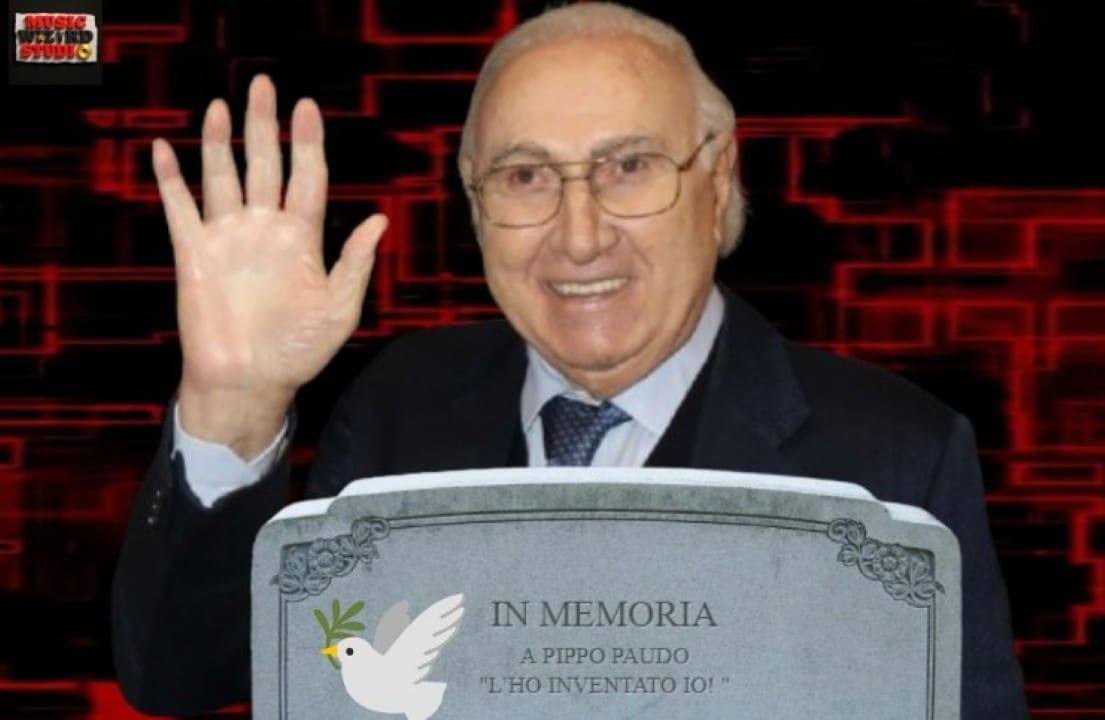
The world of Italian television mourns the death of Pippo Baudo, one of the greatest presenters in the country’s history, at 89. The icon passed away on Saturday at the Campus Biomedico in Rome, leaving a legacy spanning over 60 years on TV. Known for hosting 13 editions of the Sanremo Festival, Baudo was a pioneer who discovered talents like Beppe Grillo and Lorella Cuccarini, shaping Italian television culture. His career, marked by shows like Domenica In and Fantastico, reflects the evolution of entertainment in Italy. The cause of death has not been officially disclosed, but the impact of his loss is already resonating among fans and colleagues. The presenter, born in Militello in 1936, transformed TV into a space connecting millions of Italians.
Baudo began his career in 1959, but it was in the 1960s that he established himself as one of Italy’s most beloved figures. His ability to entertain and innovate led him to create groundbreaking formats. He not only hosted but also produced and directed, influencing generations of artists.
- First steps: Debuted as a pianist in 1959 at the La Conchiglia d’Oro contest.
- Sanremo: Hosted the festival for a record 13 editions.
- Discoveries: Launched talents like Heather Parisi and Tullio Solenghi.
- Legacy: Shows like Settevoci and Fantastico reached audience peaks.
⚫️ Si è spento a 89 anni Pippo Baudo, l’imperatore della tv!
— Cinguetterai (@Cinguetterai) August 16, 2025
Immenso Pippo, li hai inventati tutti tu
💔#PippoBaudo #Rai pic.twitter.com/OH2Dpg15UR
The start of a legend
Pippo Baudo’s journey began in Palermo, where, as a young man, he participated in a musical contest. A law graduate to fulfill his father’s wishes, he soon abandoned law to pursue his passion for entertainment. In 1959, his TV debut was modest but opened doors to auditions as a presenter. “I tried out as a pianist, singer, and impersonator, but only presenting worked,” Baudo recalled years later. His natural charm and charisma won over Rai directors, leading to programs like Settevoci, which, though initially rejected, became an unexpected hit in 1966.
The presenter quickly stood out for his versatility. He not only hosted shows but also created innovative formats, like the “applausometro” in Settevoci, which measured audience reactions. His ability to connect with viewers made him a symbol of Italian TV.
Peak at Rai and rivalries
In the 1970s and 1980s, Baudo reached his peak at Rai, Italy’s public broadcaster. He hosted Canzonissima and Domenica In, programs that became cultural institutions. In 1984, Fantastico 5 drew peaks of 20 million viewers, cementing his popularity. However, his relationship with Rai was not always smooth. In 1987, a clash with then-president Enrico Manca, who criticized his style as “nazionalpopolare,” prompted Baudo to leave the broadcaster.
- Conflict with Manca: Accused of catering to popular tastes, Baudo responded with irony.
- Move to Mediaset: The stint with Berlusconi was brief and fraught with tensions.
- Financial penalty: To leave Rai, he sold a valuable property in Aventino.
His time at Mediaset was a short and turbulent chapter. Hired by Silvio Berlusconi, Baudo faced resistance from colleagues like Antonio Ricci and Maurizio Costanzo. “I was artistic director, but they didn’t want me there,” he later confessed. The experience ended with a financial penalty that forced him to sell a palace in Rome, an episode he recalled with bitterness.
Sanremo and cultural impact
The Sanremo Festival was the stage where Baudo shone brightest. Between 1968 and 2008, he hosted 13 editions, a record that earned him the nickname “Mister Sanremo.” His charismatic presence and ability to handle surprises, like the “Cavallo Pazzo” incident in 1992, marked the event’s history. Baudo not only hosted but also influenced artist selection, helping launch careers like Laura Pausini’s.
In 1992, during one of the most memorable moments, Baudo stopped a man threatening to jump from the theater’s gallery, claiming the festival was rigged. With composure, he managed the situation, keeping the live broadcast on track. “Sanremo is the heart of Italian music, and I gave a lot to it,” he said in 2008, after his final edition.
- Iconic editions: 1968, 1992, and 2002 stood out as highlights.
- Innovation: Introduced dynamic formats and new talents to the festival.
- Controversies: Faced criticism but always maintained stage control.
- Musical legacy: Launched artists who dominated Italian music for decades.
Crises and comebacks
Baudo’s career was marked by ups and downs. In 1996, an investigation into telepromozioni tarnished his image, resulting in a plea deal and a 200-million-lira reimbursement. “I never knowingly did anything wrong,” he defended himself. Despite the setback, he returned to prominence with Novecento on Rai3, a show revisiting the 20th century that won over audiences.
His stint at Mediaset between 1997 and 1998 was another low point. Shows like Una Volta al Mese flopped, and Baudo returned to Rai, where he regained his footing with Domenica In and new Sanremo editions. His resilience kept him relevant in an ever-changing industry.
Influence on Italian culture
Pippo Baudo was not just a presenter but a trendsetter. He shaped the “nazionalpopolare” concept, blending light entertainment with deep cultural themes. His knack for spotting talent turned Italian TV into a showcase for new artists. From comedians like Beppe Grillo to dancers like Heather Parisi, Baudo had a unique eye for stars.
Moreover, he was a symbol of continuity in a country marked by political and social changes. Shows like Domenica In became weekly rituals for Italian families, and his presence on TV was synonymous with familiarity. “TV is a mirror of society, and I always tried to reflect its best,” Baudo said in a 2016 interview.
- Notable discoveries: Beppe Grillo, Lorella Cuccarini, Laura Pausini.
- Iconic shows: Domenica In, Fantastico, Canzonissima.
- Social impact: United generations with accessible, charismatic formats.
Final years and legacy
In his later years, Baudo remained active despite his advanced age. In 2016, at 80, he returned to host Domenica In, proving he still had the energy to entertain. He rejected retirement, comparing himself to Anchise, a mythological figure who refused to stop. His last public appearance was in 2024 at an event in Rome, where he received a tribute for his contribution to Italian culture.
Baudo’s death marks the end of an era for Italian television. Colleagues like Fiorello and Laura Pausini paid heartfelt tributes, highlighting his generosity and artistic vision. “He was TV, he was Italy’s heart,” Pausini wrote on social media. The Italian government also acknowledged his significance, with the prime minister issuing a condolence statement.
Tributes and reactions
The news of Baudo’s death sparked a wave of tributes across Italy. In Rome, the Ariston Theater, home of the Sanremo Festival, announced a special session in his memory. Fans gathered outside the Campus Biomedico, leaving flowers and messages. Rai plans a marathon of classic Baudo-hosted shows, starting with Settevoci and Fantastico.
- Artists’ reactions: Fiorello, Michelle Hunziker, and others mourned the loss.
- Public tributes: The Ariston Theater will dedicate a night to the presenter.
- Rai initiatives: A marathon of programs to celebrate his career.
- Digital legacy: A virtual museum is under discussion to preserve his archive.
Baudo’s influence transcends television. He was a narrator of modern Italy, connecting generations and shaping the country’s cultural identity. His death leaves a void, but his work lives on in Rai’s archives and the memories of millions of viewers.
