
The New York Police Department evacuated Times Square, the city’s main tourist hub, on Monday (18) after reports of a bomb threat surfaced on social media. The operation took place around 10:30 a.m. (local time) at the intersection of West 43rd Street and 7th Avenue in Manhattan. The NYPD’s bomb squad was deployed, and the area was cordoned off, halting pedestrian and vehicle traffic. While the police have not officially confirmed the reason, they stated an investigation is underway. The evacuation sparked panic among tourists and locals, who shared videos showing the typically bustling square completely empty. The incident underscores New York’s ongoing vigilance, shaped by heightened security measures since the 2001 attacks.
The operation involved police cars, ambulances, and specialized units, with the NYPD advising the public to avoid the area. Aerial images captured by Reuters showed two blocks of 7th Avenue, between 42nd and 44th Streets, sealed off. The swift response highlights the priority given to safety in one of the world’s busiest locations. Below are key details of the incident:
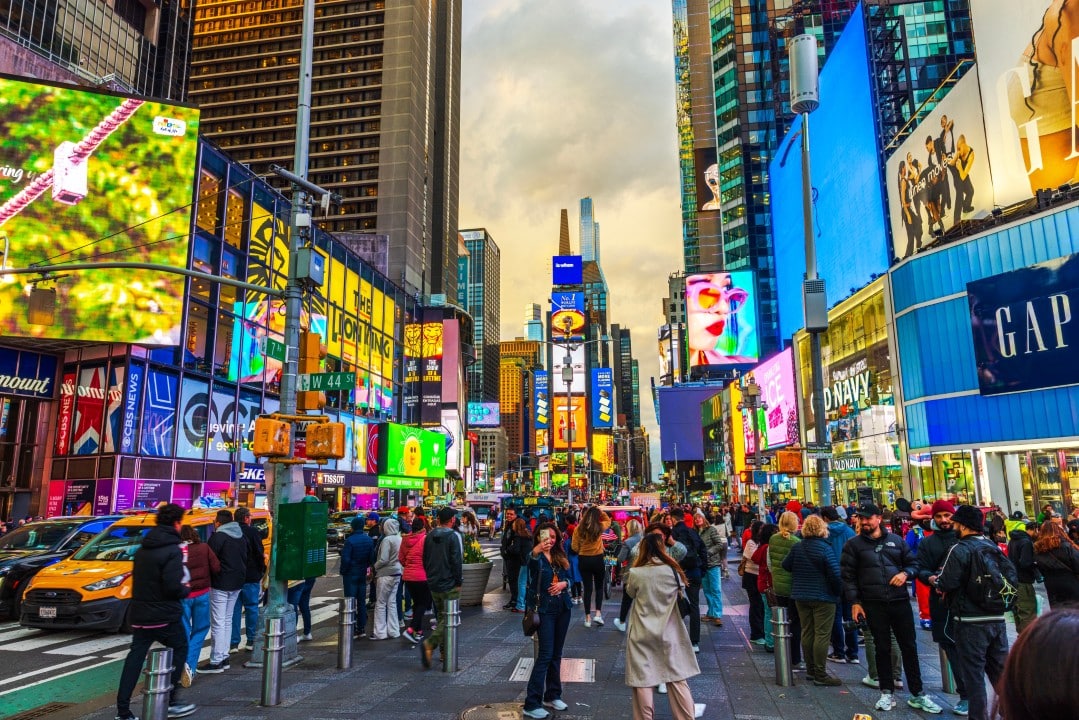
- Location: Intersection of West 43rd Street and 7th Avenue, the heart of Times Square.
- Time: Approximately 10:30 a.m. (local time, 11:30 a.m. Brasília time).
- Reason: Suspected bomb, per social media reports, yet to be confirmed by police.
- Actions: Bomb squad deployed, area sealed off, traffic halted.
- Immediate Impact: Full evacuation of the square, with videos showing an empty area.
Times Square, known for its iconic billboards and heavy tourist traffic, is a sensitive spot for public safety, often subject to alerts. The lack of official confirmation keeps the public on edge as authorities work to clarify the situation.
Authorities’ response and security measures
The NYPD acted swiftly after receiving the threat report around 10:30 a.m. A statement posted on social media urged people to avoid the West 43rd Street and 7th Avenue area due to an ongoing police investigation. Emergency teams, including the bomb squad, were dispatched to inspect a possible suspicious package. The operation utilized sniffer dogs and X-ray equipment, standard tools for bomb threat investigations. While the police did not disclose details about the object, the scale of the response indicates the seriousness of the report.
The area was cordoned off within minutes, with barriers blocking pedestrian and vehicle access. Police cars and ambulances were strategically positioned, and helicopters patrolled overhead. Local media reported an orderly evacuation, but the lack of official details fueled speculation. Key actions taken include:
- Deployment of specialized teams, including the bomb squad.
- Closure of two blocks of 7th Avenue, between 42nd and 44th Streets.
- Use of advanced technology, such as X-ray, for object analysis.
- NYPD’s public advisory to avoid the area.
The Times Square lockdown reflects New York’s stringent security protocols, particularly in high-profile tourist areas. The police maintain constant readiness, with regular training to handle threats in crowded urban settings.
Security context in Times Square
Times Square, one of the world’s most visited tourist destinations, attracts millions annually, making it a frequent target for threats, both real and false. In recent years, the square has faced similar incidents, like a 2021 evacuation due to a suspicious package later deemed harmless. In 2010, a car bomb was neutralized in the area, underscoring the need for ongoing vigilance. These events have shaped current security protocols, with police adopting rigorous preventive measures.
The 2025 bomb threat is not an isolated case. Since the September 11, 2001 attacks, New York has maintained heightened alertness. Times Square’s high population density and cultural significance make it a focal point for security concerns. In 2017, a homemade bomb detonated in a nearby subway station, injuring only the suspect. Below are notable security milestones in the area:
- 2010: Neutralization of a car bomb in Times Square containing explosive materials.
- 2017: Homemade bomb explosion in a subway station, with no serious injuries.
- 2021: Evacuation due to a suspicious package, cleared after investigation.
- 2025: Shooting in the square, injuring three, weeks before the current incident.
The recurrence of alerts in Times Square highlights the complexity of securing densely populated urban areas. Authorities invest in technology and training to minimize risks, but the unpredictable nature of threats demands constant vigilance.
Immediate impact on the public and tourism
The evacuation disrupted life in Times Square, affecting both tourists and locals. Videos shared on social media showed the vibrant square eerily empty, save for police and emergency vehicles. Tourists planning to visit were diverted, while workers in nearby shops and Broadway theaters faced interruptions. The lack of official information fueled rumors, with many speculating about the threat’s severity.
Tourism, a cornerstone of New York’s economy, may face temporary setbacks. Times Square attracts about 50 million visitors annually, per NYC & Company data, and disruptions impact local businesses like restaurants, shops, and theaters. Key impacts observed include:
- Halting of pedestrian and vehicle traffic in one of Manhattan’s busiest areas.
- Temporary closure of nearby commercial establishments.
- Redirection of tourists to other areas, such as Central Park and Fifth Avenue.
- Heightened tension among locals due to limited official details.
The rapid spread of images and videos online amplified the incident’s visibility, with related hashtags trending. The absence of confirmation about the bomb threat keeps the public cautious as authorities work to restore normalcy.
Ongoing investigation procedures
The NYPD’s investigation continues, focusing on the threat’s origin. The police are reviewing footage from Times Square’s extensive surveillance system, one of the world’s most advanced, with hundreds of cameras monitoring the area 24/7. The bomb squad remains on-site, while forensic experts search for evidence to clarify the nature of the suspicious object.
Withholding details is standard in early investigations to avoid panic and protect the process. Local media reported the threat may have stemmed from a passerby spotting an abandoned package. Key investigation steps include:
- Review of surveillance footage to identify suspects or witnesses.
- Detailed inspection of the suspicious package by bomb squad experts.
- Interviews with potential witnesses present at the time of the report.
- Coordination with the FBI to assess links to prior threats.
The investigation aims to determine if the threat was genuine or a false alarm, as seen in past Times Square incidents. The police are maintaining secrecy to avoid speculation but promised updates soon.
History of incidents and lessons learned
Times Square has faced multiple emergencies over the years, each refining security protocols. In 2008, an explosion at a military recruitment post caused damage but no injuries. In 2016, an abandoned suitcase prompted an evacuation, later deemed safe. These incidents emphasize the need for rapid response to reports, even if many prove false.
New York City invests millions annually in public safety, focusing on high-traffic areas. Times Square has constant police presence, supported by technologies like drones and facial recognition systems. Measures implemented post-incidents include:
- Increased surveillance cameras in the area.
- Regular bomb squad training for urban threats.
- FBI partnerships for terrorism-related investigations.
- Public awareness campaigns to report suspicious objects.
Past experiences enable the NYPD to respond efficiently, but frequent alerts highlight the challenge of balancing security and normalcy in an iconic location. The 2025 evacuation underscores the need for ongoing preparedness.
