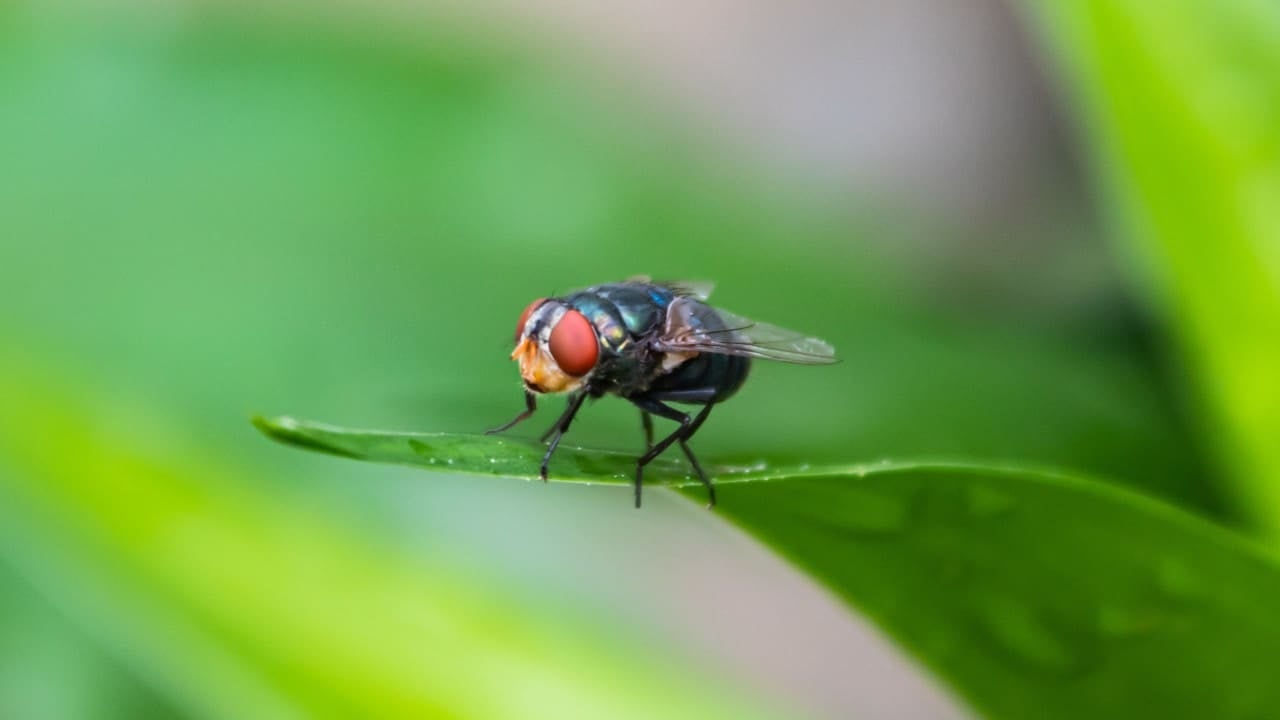
U.S. health authorities confirmed the first human case of New World screwworm on August 24, 2025, in a patient who had recently traveled to El Salvador, Central America. The case, investigated by the Maryland Department of Health and the Centers for Disease Control and Prevention (CDC), has drawn attention to the screwworm fly (Cochliomyia hominivorax), a parasite that attacks warm-blooded mammals, including humans.
Known as myiasis, the infestation occurs when the fly’s larvae feed on living tissue, potentially causing severe damage if untreated. The patient experienced intense pain and itching at a skin lesion, leading to the identification of the parasite. This case underscores the importance of preventive measures for travelers to tropical regions.
What is the screwworm fly
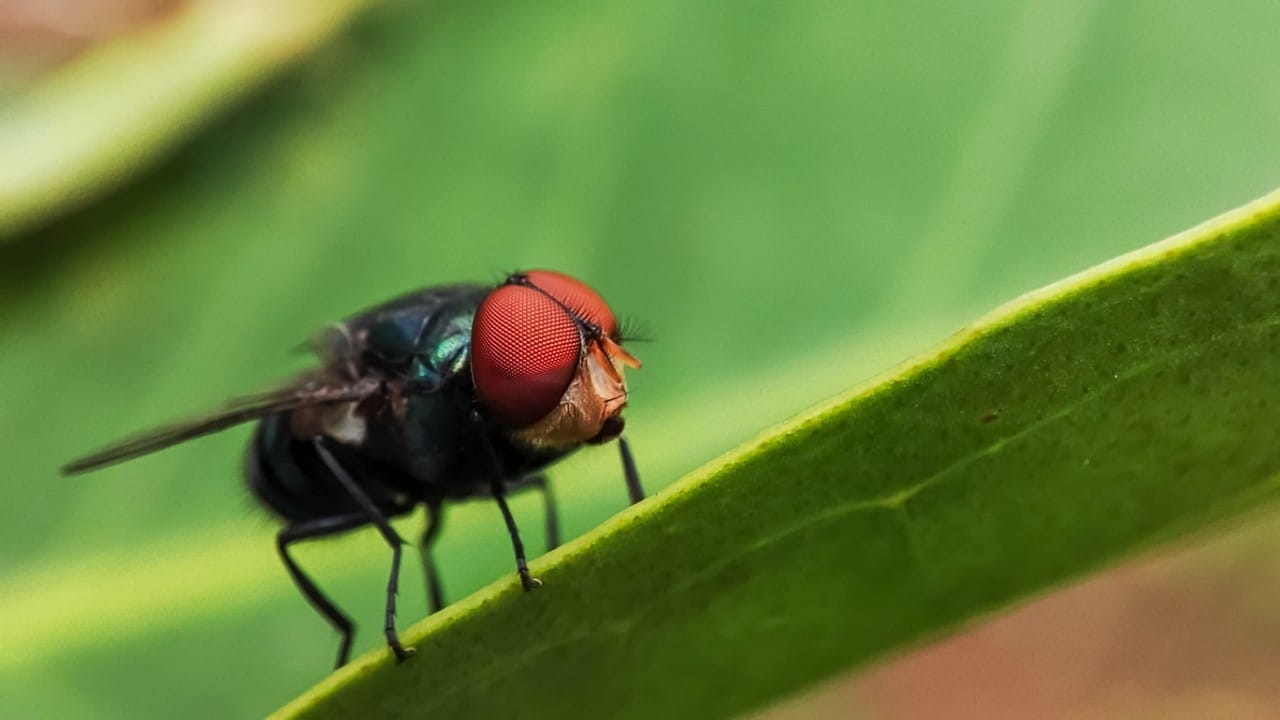
The screwworm fly, scientifically known as Cochliomyia hominivorax, is primarily found in tropical and subtropical regions of the Americas. Unlike common flies, such as blowflies, which lay eggs on dead tissue, screwworm flies target open wounds, natural orifices (like the nose, mouth, or ears), or even minor skin abrasions. After hatching within hours, the larvae begin consuming living tissue, causing a condition called myiasis. This behavior makes the parasite particularly dangerous, as the larvae can destroy healthy tissue, leading to secondary infections and, in severe cases, extensive damage.
How infestation occurs
Screwworm infestation begins when a female fly lays 200 to 400 eggs in a vulnerable area of the host’s body. The eggs hatch within 24 hours, and the larvae immediately start feeding, using enzymes to break down living tissue. This process is intensely painful and can escalate quickly without medical intervention. In humans, cases are more common in rural areas or regions with poor sanitation, but travelers to endemic areas are also at risk. The Maryland case involved a patient who contracted the parasite during a trip to El Salvador, where the screwworm is more prevalent.
Symptoms of screwworm myiasis
Myiasis caused by Cochliomyia hominivorax presents symptoms that may initially resemble common infections but can rapidly worsen. Key signs include:
- Intense pain at the affected site, often described as burning or stabbing.
- Persistent itching, accompanied by redness and swelling.
- Visible larvae on the skin’s surface or within open wounds.
- A sensation of movement under the skin due to larval activity.
- In advanced cases, fever, anemia, and secondary infections from tissue destruction. Early recognition of these symptoms is critical to prevent complications, such as bacterial infections or irreversible tissue damage.
Risks and complications
Untreated myiasis can lead to severe outcomes, particularly in cavitary infestations where larvae invade orifices like the nose, ears, or mouth. In extreme cases, larvae can penetrate deeper tissues, affecting muscles or even bones. Complications are more frequent in individuals with limited access to medical care, such as rural populations or those with conditions that delay treatment-seeking. Additionally, larval infestations can introduce bacterial infections, further complicating the clinical picture and requiring more intensive treatment.
Diagnosis and treatment
Diagnosing myiasis is primarily clinical, relying on symptom observation and visual identification of larvae. In some cases, imaging techniques like ultrasound may be used to detect larvae in deeper tissues. Treatment involves the manual removal of larvae by healthcare professionals in a controlled setting. The CDC warns that attempting to remove larvae without medical supervision can worsen the infection, as fragments may remain in the body. Post-removal, antibiotics are often prescribed to prevent secondary infections, and pain relievers help manage discomfort. In severe cases, surgery may be needed to excise damaged tissue.
Prevention in high-risk areas
Preventing screwworm infestation is crucial, especially for travelers to tropical regions or those in rural settings. Effective measures include:
- Using insect repellents containing DEET or other recommended active ingredients.
- Keeping wounds clean and covered with proper dressings.
- Avoiding contact with flies in areas with poor sanitation.
- Wearing protective clothing, such as long sleeves, in endemic regions.
- Regularly inspecting skin, particularly after travel to tropical areas. These steps can significantly reduce the risk of infestation, especially in Central and South America, where the screwworm is more common.
Impact on humans and animals
While myiasis is more prevalent in animals like cattle, horses, and sheep, human cases, though rare, are concerning due to their potential severity. In livestock, screwworm infestations cause significant economic losses in the agricultural sector. In the U.S., sterile insect release programs have largely eradicated the screwworm in rural areas, but imported cases, like the one in Maryland, highlight ongoing risks, particularly with increased international travel.
Historical cases and global context
The screwworm fly has caused significant outbreaks in various regions, particularly in Latin America. In Brazil, for instance, myiasis remains a persistent issue in rural areas with limited sanitation. A notable case occurred in 2020 in Praia Grande, São Paulo, where a construction worker suffered an infestation of dozens of larvae in his scalp, requiring urgent medical intervention. Globally, the World Health Organization (WHO) advocates for vector control programs to reduce the prevalence of parasites like the screwworm, emphasizing the need for sanitation and health education.
Fascinating facts about the screwworm fly
The Cochliomyia hominivorax has unique traits that set it apart from other parasitic insects:
- Unlike other flies, its larvae feed exclusively on living tissue, increasing their destructive potential.
- A female fly can lay up to 3,000 eggs in her lifetime, enabling rapid infestations.
- U.S. eradication programs in the 1980s nearly eliminated the screwworm, but imported cases persist.
- The name “hominivorax” derives from Latin, meaning “man-eater,” reflecting its ability to attack humans. These characteristics highlight the need for ongoing vigilance and control efforts in endemic regions.
The role of public health surveillance
The Maryland case underscores the importance of robust public health surveillance systems, particularly in an era of global travel. The CDC and Maryland Department of Health acted swiftly to manage the case, ensuring proper treatment and no local transmission. However, the incident serves as a reminder that parasites like the screwworm can pose challenges in non-endemic areas, necessitating international cooperation for monitoring and prevention.
Guidance for travelers
Travelers to tropical regions, such as Central America, should be aware of parasitic infestation risks. In addition to the preventive measures listed, researching destination sanitation conditions and consulting a doctor before travel for specific guidance is advisable. Upon returning, any unusual skin lesions with persistent pain or a sensation of movement should be promptly evaluated by a healthcare professional. Early detection of myiasis can prevent severe complications and simplify treatment.
The importance of health education
Raising public awareness about screwworm risks is vital for reducing cases. Educational campaigns in rural areas and among travelers can promote hygiene and preventive practices, such as using repellents and protecting wounds. In Brazil, where myiasis is more common in areas with poor sanitation, public health programs have focused on education and vector control to mitigate the parasite’s impact. These efforts are essential for protecting both humans and animals in high-risk areas.
Advances in screwworm control
Significant progress has been made in controlling the screwworm fly, particularly through sterile male release techniques that reduce reproduction. In the U.S., these efforts have nearly eliminated the parasite domestically, though imported cases remain a concern. In Brazil, similar programs have shown success in rural areas, reducing livestock infestations. However, the parasite’s persistence in tropical regions highlights the need for sustained control and monitoring efforts.
A call for continued vigilance
The Maryland case marks a significant milestone as the first documented human screwworm infestation in the U.S. It highlights the need for ongoing public health vigilance and education, particularly as global travel increases. Imported cases of tropical diseases may become more common, requiring swift and coordinated responses from health authorities. Prevention, early diagnosis, and effective treatment remain the cornerstones of managing the screwworm threat.
