In the small Michigan town of Beal City, teenagers Lauryn Licari and her boyfriend Owen McKenny saw their lives upended starting in October 2020, when they began receiving threatening anonymous text messages from an unknown number. What started as a presumed prank escalated into daily torment, with up to 50 messages accusing Owen of infidelity, insulting Lauryn’s appearance, and sending sexually explicit content, including suicide suggestions.
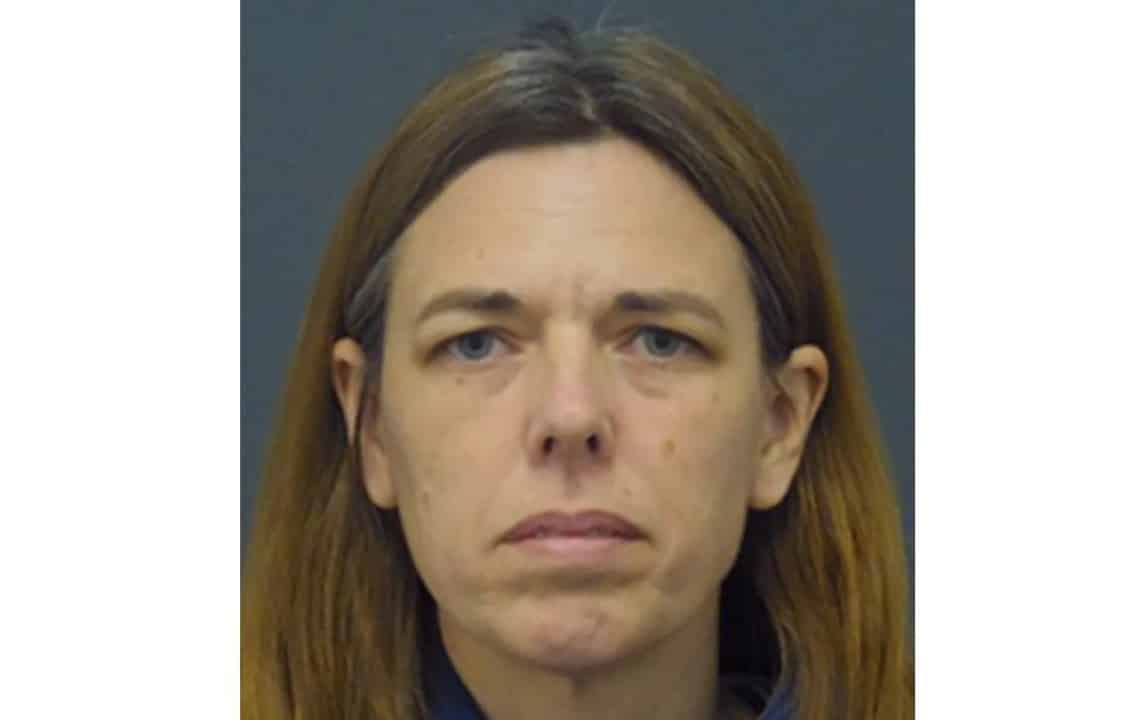
The family and local authorities investigated for nearly two years, questioning schoolmates and friends, until the FBI, involved in April 2022, traced the fake numbers generated by masking apps to the Licari household’s IP address. The perpetrator was Kendra Licari, Lauryn’s mother, born in 1980 and previously known as a dedicated sports coach. Kendra was arrested in December 2022, pleaded guilty to two counts of stalking minors in March 2023, and was sentenced to 19 months to five years in prison in April 2023. The case gained renewed attention with Netflix’s documentary “Unknown Number: The High School Catfish,” released in August 2025, recounting the events with exclusive interviews and police bodycam footage, detailing how the harassment spanned from September 2021 to February 2022, deeply affecting family dynamics and the school community. Kendra’s motivation, revealed in the film, stemmed from unresolved personal traumas, including a rape at 17, which resurfaced as she watched her daughter enter adolescence, driving her to exert excessive control over Lauryn’s life.
Lauryn and Owen, inseparable since elementary school and dubbed the “Golden Couple,” faced the initial chaos with disbelief, blocking numbers that constantly changed due to accessible digital tools.
The messages quickly escalated, blending false accusations with threats that socially isolated the teens.
Local police, led by Sheriff Mike Main, began searches in January 2022 but struggled with the scheme’s technical sophistication.
- Cheating accusations: Texts repeatedly claimed Owen was unfaithful with another student.
- Personal insults: Phrases like “don’t wear leggings, no one wants to see your skinny body” targeted Lauryn’s insecurities.
- Explicit content: Messages suggested unwanted sexual acts, forcing the teens to deal with inappropriate material.
- Severe threats: Included “kill yourself” and warnings of physical violence, prompting urgent family interventions.
The FBI’s involvement marked a turning point, with Agent Bradley Peter analyzing hundreds of pages of texts printed by the families themselves.
Origins of the virtual harassment
Kendra Licari led a seemingly normal life before the events, working in the IT department at Ferris State University and coaching Lauryn in basketball and baseball. Married to Shawn Licari since her youth, she maintained close ties with the McKenny family, including Owen’s mother, Jill, who saw her as a confidante. Friends like cousin Melissa Perry described Kendra as outgoing and charismatic, always the center of attention during their shared childhood. However, subtle changes emerged in 2021, coinciding with her dismissal from the university after a performance improvement plan, a fact she hid by faking remote work calls. This period of isolation led to a more self-centered demeanor, according to Perry, who noticed reduced family communication.
The initial batch of messages in October 2020 was sporadic, but Kendra denied involvement in the documentary, claiming she only began sending texts in September 2021 to “investigate” the supposed original bully. She used apps like Pinger to generate disposable numbers, making initial tracking impossible and prolonging the teens’ suffering. During this time, Lauryn, then 13, confided in her mother about the stress, unaware that Kendra was orchestrating the chaos to maintain control over her emerging adolescence.
The campaign included impersonating peers, such as pretending to be a student interested in Owen, which sparked distrust at school and led to interrogations of innocent people, including Owen’s cousin.
Lauryn suffered in isolation, with the bullying affecting her academic and emotional performance, while Owen dealt with accusations that tarnished his reputation among friends.
Police discovery and arrest
The investigation gained traction when Sheriff Main, frustrated with false leads, called in the FBI in April 2022. Agents subpoenaed app and carrier records, identifying the unique IP linked to Kendra’s phone in August 2022. During the police confrontation at the Licari home, captured on bodycam, Kendra admitted to the messages almost immediately, shocking Lauryn and enraging Shawn, whose world collapsed. The arrest occurred in December 2022, with charges of two counts of stalking minors, using a computer to commit a crime, and obstruction of justice.
In Isabella County court, Judge Mark Duthie described the case as “the worst of human nature,” highlighting the breach of parental trust. Kendra pleaded guilty to the main counts, with others dropped in a plea deal, and received a minimum 19-month sentence, served in a Michigan state facility. During detention, she accessed therapy, processing traumas she claimed drove her actions, such as fears of Lauryn repeating patterns of adolescent vulnerability.
Shawn initiated a divorce shortly after the revelation, securing full custody of Lauryn to protect her recovery.
The Beal City community, with its small school of under 500 students, felt the impact, with digital privacy policies strengthened post-scandal.
- Search warrant: Executed in August 2022, revealing digital evidence on Kendra’s device.
- Confession: She acknowledged “getting too involved” in trying to “catch the bully.”
- Initial charges: Included obstruction for diverting suspicion to others.
- Sentence: 19 months minimum, with a possible extension to five years.
- Parole: Granted in August 2024, with supervision until February 2026.
The legal process exposed vulnerabilities in cyberstalking laws, sparking discussions about parental monitoring in anonymous apps.
Consequences for the Licari family
After the arrest, Shawn prioritized Lauryn’s stability, changing routines to avoid contact with Kendra and focusing on her emotional well-being. The divorce was finalized quickly, with Shawn gaining sole custody, allowing father and daughter to rebuild stronger bonds through shared activities that helped Lauryn process the trauma. Lauryn, now 18, expressed a mix of pain and hope in the documentary, stating that her mother’s absence “hurts” but that rebuilding would require professional help for Kendra. During incarceration, they maintained limited contact through letters, with Lauryn initially open to dialogue but hesitant after the release.
Kendra, released in August 2024, resides with relatives near Detroit under restrictions barring contact with Lauryn and Owen until the end of her parole. She continues therapy, reflecting on the impact of her actions, which included messages mocking Lauryn’s insecurities without intent of physical harm, per her claims. The documentary captures this tension, portraying Kendra as seeking redemption but facing skepticism from experts who see elements of pathological control.
Owen and his family, including Jill, reported relief post-investigation, with Owen moving forward with studies and new relationships.
The school implemented anti-bullying training, using the case as a lesson on digital dangers.
Lauryn plans to study criminology in college, inspired by the investigation that freed her.
Community repercussions and digital lessons
Beal City, a rural community with a strong emphasis on school sports, saw the case divide opinions, with some neighbors defending Kendra for her community history, while others condemned her for the family betrayal. Superintendent Bill Chillman, interviewed in the film, compared the behavior to factitious disorders, where a caregiver creates crises to maintain dependency, though without a formal diagnosis. This sparked local debates on parental mental health, with school meetings addressing social media boundaries for minors.
The FBI highlighted the importance of IP tracking in cyber investigations, noting that apps like those used by Kendra are common in fraud but traceable with warrants. U.S. Department of Justice statistics show a 20% rise in familial cyberstalking cases since 2020, driven by the pandemic’s increased device use. In Michigan, laws were updated in 2023 to penalize identity masking in harassment, with minimum one-year sentences for cases involving minors.
Lauryn’s friends, like teammates, reported tension during the initial suspicions, with interrogations straining friendships.
Kendra lost social connections, with Perry expressing disappointment over her personality shift.
- Rising reports: Similar cases increased in rural schools, per CDC data.
- Detection tools: Parental control apps gained popularity post-case.
- Psychological support: Lauryn accessed school-provided therapy, aiding resilience.
- School impact: Annual training now includes cyberbullying simulations.
- Legislation: Michigan passed an anti-masking law in 2023, inspired by such cases.
The documentary, directed by Skye Borgman, emphasizes the difficulty in securing Kendra’s interviews, as she only agreed late in filming to “explain her perspective” directly to Lauryn.
Lauryn reflects on the persistent maternal bond, despite the current contact ban.
Owen, now focused on an athletic career, avoids public discussion of the past.
Recent updates on Kendra
Since her release in August 2024, Kendra remains under strict supervision by the Michigan Department of Corrections, living in a metropolitan area to avoid Beal City. Reports from January 2025 indicate she seeks low-profile work, possibly in administrative support, while attending mandatory therapy sessions. The contact ban with Lauryn aims to protect her, but Kendra expresses optimism about a future healthy relationship, citing an “unbreakable bond.” In the documentary, filmed before her release, she admits self-disappointment but downplays fears of Lauryn’s suicidality, focusing on regret for excessive control.
Lauryn, living with Shawn, balances studies and sports, with college plans driving her to turn the experience into advocacy against online bullying. She is dating someone new from school and cherishes her closeness with her father, laughing together over daily challenges.
Shawn avoids the spotlight, prioritizing family privacy post-divorce.
Netflix’s production, spanning 94 minutes, includes 350 pages of analyzed texts, showcasing the harassment’s intensity.
Cybersecurity experts recommend parents verify anonymous apps.
Lauryn dreams of working in investigations, inspired by the FBI that saved her.
Kendra faces social stigma, with online communities criticizing her narrative.
The case underscores the need for digital education in families.
