On September 6, 2025, Tesla released the 2025.32.3.1 software update for its vehicles, introducing innovations like Low Power Mode, enhanced airbag systems with Tesla Vision, and the Rave Cave feature, which adjusts lighting when parked. Available globally for models such as Model 3, Model Y, Model S, Model X, and Cybertruck, the update reaches 3.4% of the fleet, with 497 cars updated, according to TeslaFi data. Rolled out in markets like the United States and Europe, the update aims to boost energy efficiency and safety, addressing the needs of drivers on long trips or in areas with limited charging infrastructure. The company reinforces its leadership in automotive technology with these changes, already sparking discussions among enthusiasts and users.
The update comes amid Tesla’s expansion, with advancements in Full Self-Driving (FSD) versions 12.6.4 and 13.2.9, and is part of an ongoing effort to optimize the user experience. Drivers can now configure Low Power Mode to activate automatically, preserving battery life in critical situations. The airbag system, meanwhile, uses Tesla Vision to anticipate activation in frontal collisions, enhancing safety in 2023+ models.
Additionally, the Rave Cave feature, which syncs interior lights when parked, adds a touch of personalization. Other improvements include tweaks to Dog Mode, with a lower minimum temperature, and security fixes. Tesla continues to expand its charging network, complementing these innovations to encourage electric vehicle adoption.
- Key update features:
- Low Power Mode for battery conservation.
- Airbag system enhanced with Tesla Vision.
- Rave Cave for interior light customization.
- Dog Mode tweaks and security fixes.

Enhanced airbag system
The 2025.32.3.1 update strengthens Tesla vehicle safety with a significant improvement to the frontal airbag system. Using Tesla Vision technology, which combines cameras and artificial intelligence, the system now detects collisions with greater accuracy, enabling faster airbag deployment. This innovation is exclusive to 2023+ models, such as Model 3 and Model Y, but also includes some 2022 vehicles.
Tesla is already recognized for its high safety standards, surpassing regulatory tests in markets like the United States and Europe. With the new update, the company goes further, integrating real-time visual data to anticipate impacts and adjust airbag inflation. This reduces injury risks in frontal crashes, one of the most common accident types on highways.
The focus on safety reflects Tesla’s strategy of combining hardware and software to create more reliable vehicles. The update is available globally, benefiting drivers in urban and rural areas with varying traffic conditions.
- Benefits of the new airbag system:
- Faster detection of frontal collisions.
- Dynamic airbag inflation adjustment.
- Compatibility with 2023+ and some 2022 models.
- Enhanced precision with Tesla Vision cameras.
Low Power Mode for extended range
Another highlight of the update is Low Power Mode, designed to maximize Tesla vehicle range when the battery is low. Available for Model S, Model X, Model 3, Model Y, and Cybertruck, the feature disables non-essential functions like Sentry Mode, climate control, and preconditioning to save energy. Drivers can activate it manually or set it to trigger automatically, such as at 10% battery.
This functionality is particularly useful for long trips or regions with sparse charging stations. Tesla, aware of range anxiety concerns, offers a practical solution that boosts driver confidence. The setting can be adjusted via the touchscreen or mobile app, ensuring flexibility.
The introduction of Low Power Mode also addresses user demands for greater energy efficiency. With Tesla’s expanding Supercharger network, the feature complements infrastructure, helping drivers plan routes better.
Rave Cave: personalization and entertainment
The Rave Cave feature, available for Model 3 and Model Y, adds a personalization touch to the driving experience. When parked, the vehicle automatically activates a synchronized light show, accessible via the Toybox in the App Launcher. The feature, which “remembers” driver preferences, creates a unique atmosphere, appealing especially to tech and customization enthusiasts.
While an aesthetic feature, Rave Cave reflects Tesla’s commitment to blending entertainment with innovation. The functionality has already garnered positive feedback on social media, with users praising the company’s creativity. It’s an example of how Tesla combines practicality with playful elements, keeping drivers engaged.
- Rave Cave features:
- Automatic activation when parked.
- Synchronized interior lighting.
- Available globally for Model 3 and Y.
- Accessible via Toybox on the dashboard.
Dog Mode tweaks and other updates
The update also refines Dog Mode, allowing the minimum temperature to be lowered to 64°F (18°C), ideal for keeping pets comfortable in warmer climates. This feature is popular among pet owners who leave their animals in the car briefly. The change highlights Tesla’s attention to users’ practical needs.
Additionally, the update includes security fixes and performance improvements, such as adjusted battery range estimates for Legacy Model S and X, factoring in battery aging. These tweaks ensure greater accuracy and reliability, benefiting drivers who rely on precise data for trip planning.
Tesla also implemented minor software fixes, enhancing system stability. These improvements, though less visible, are critical for maintaining vehicle robustness.
- Other update highlights:
- Dog Mode with 64°F (18°C) minimum temperature.
- Adjusted battery range estimation.
- Security and performance fixes.
Full Self-Driving (FSD) advancements
The 2025.32.3.1 update includes Full Self-Driving (FSD) versions 12.6.4 and 13.2.9, Tesla’s supervised autonomous driving system. These versions improve navigation in complex urban settings, with better accuracy at intersections and obstacle response. The release aligns with Tesla’s plan to remove safety drivers from Robotaxis by the end of 2025, signaling confidence in the system.
FSD is a cornerstone of Tesla’s strategy to lead the autonomous vehicle market. With frequent updates, the company refines the software, moving closer to full autonomy. Integration with Tesla Vision, used in both FSD and airbags, underscores the company’s unified approach.
Drivers report smoother FSD maneuvers, especially in heavy traffic. The update reinforces Tesla’s position as a pioneer in AI-driven mobility.
Charging infrastructure expansion
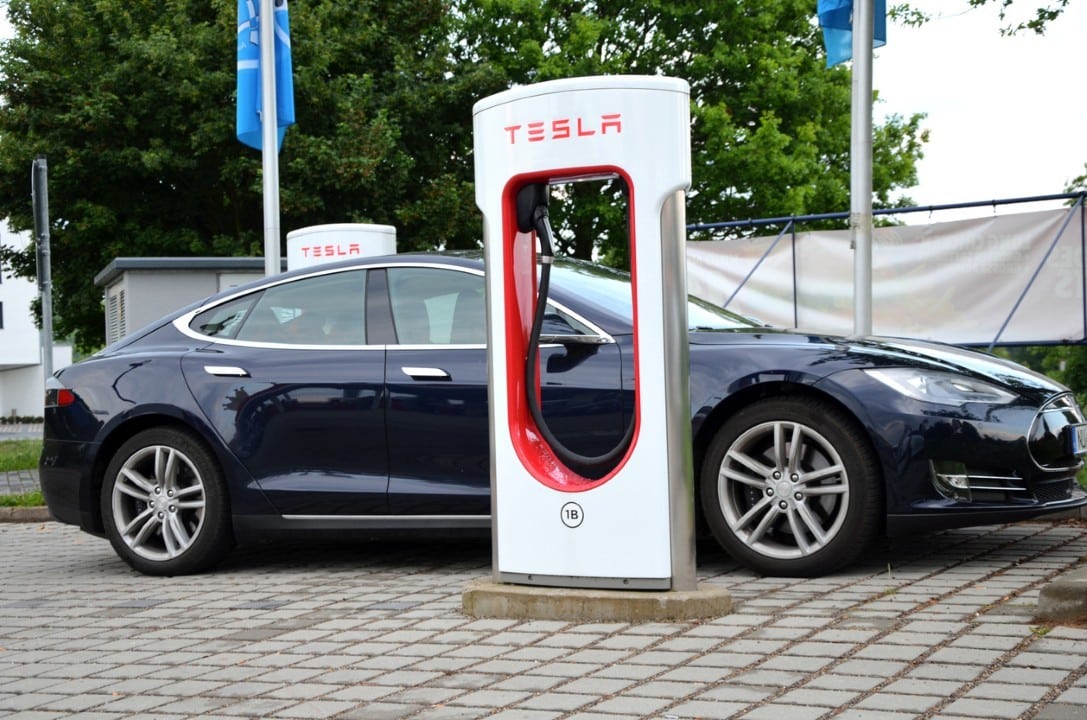
Alongside the update, Tesla continues to expand its Supercharger network, with new stations installed in 2025 across the United States, Europe, and Asia. This expansion is crucial to support features like Low Power Mode, helping drivers manage battery life in areas with limited infrastructure.
The company also encourages solar panel adoption for home charging, cutting costs for owners. This combination of onboard technology and robust infrastructure strengthens Tesla’s ecosystem, making electric vehicles more accessible and practical.
The charging network, paired with software innovations, positions Tesla as a leader in the shift to electric mobility. The company plans to open more stations in 2026, focusing on emerging markets.
- Impacts of network expansion:
- More Superchargers in urban and rural areas.
- Support for long trips with Low Power Mode.
- Encouragement of solar-powered home charging.
