
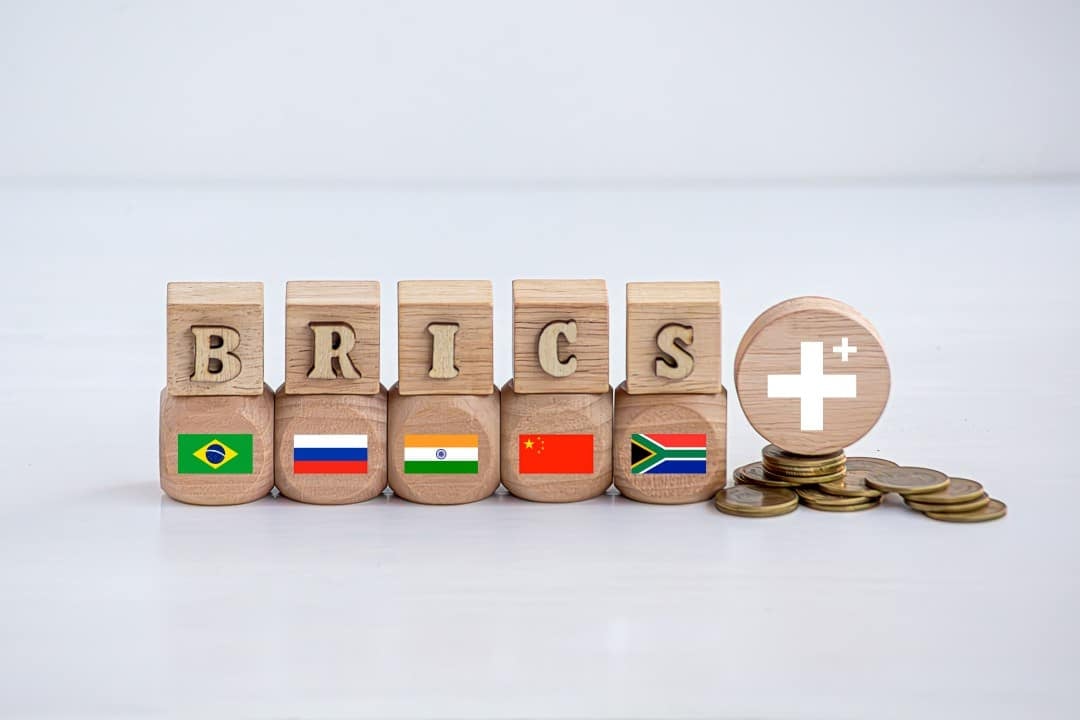
The discussion about the creation of a common currency among the Brics countries is not progressing, according to experts and authorities from the bloc. The topic, raised in previous years by president Luiz Inácio Lula of Silva, lost strength due to economic differences between members. Instead of a single currency, the group focuses efforts on increasing the use of national currencies and building payment systems independent of the dollar.
The Brasil, which will hold the rotating presidency of the Brics in 2025, confirmed that the priority is to expand local payment instruments. The measure seeks to facilitate trade and reduce dependence on the SWIFT system, dominated by Western institutions.
Economic differences make single currency difficult
The economies of the 11 countries in Brics present different realities. China sees annual inflation approaching 2%, while Brasil and other members face greater volatility.
Intra-Bloc trade represents only 18% of total trade among member countries. The percentage is much lower than the 64% observed in União Europeia before the adoption of the euro.
This lack of economic integration makes the implementation of a common physical or digital currency unviable in the short and medium term.
Alternatives gain space on the block
The Brics countries move forward with bilateral currency swap agreements. Brasil and China renewed in May 2025 the agreement that allows direct transactions in real and yuan, worth the equivalent of US$26 billion.
- Bilateral currency swap agreements between members
- Development of Brics Pay, a digital platform for payments in local currencies
- Expansion of loans in national currencies by New Development Bank
- Regulatory cooperation to facilitate intra-Bloc trade
New Development Bank, chaired by Dilma Rousseff, already allocates around 30% of financing in currencies other than the dollar.
Brazilian position in the presidency of Brics
The Brazilian government reported that the 2025 economic agenda prioritizes the implementation of decisions taken at the Johanesburgo summit, in 2023. The focus is on creating more accessible and transparent payment systems.
Authorities from Ministério, Fazenda and Itamaraty say that trade flow between members is still small compared to developed countries. The Brazilian strategy seeks to gradually increase this volume through local financial instruments.
Experts point out a realistic path
Professors and researchers consulted agree that dedollarization occurs incrementally. The Chinese yuan tends to gain space in the bloc’s transactions, but without completely replacing the dollar in the short term.
Índia expresses resistance to initiatives that could excessively strengthen Chinese influence. The balance between members remains a determining factor for the advancement of financial proposals.
Brics Pay platform in testing phase
Brics Pay, a digital payments system in local currencies, is already carrying out pilot transactions between some countries. The tool works as a decentralized alternative to SWIFT and allows direct settlements between central banks and authorized financial institutions.
The platform should be gradually expanded until 2030, according to the strategic plan approved at the last summit.
