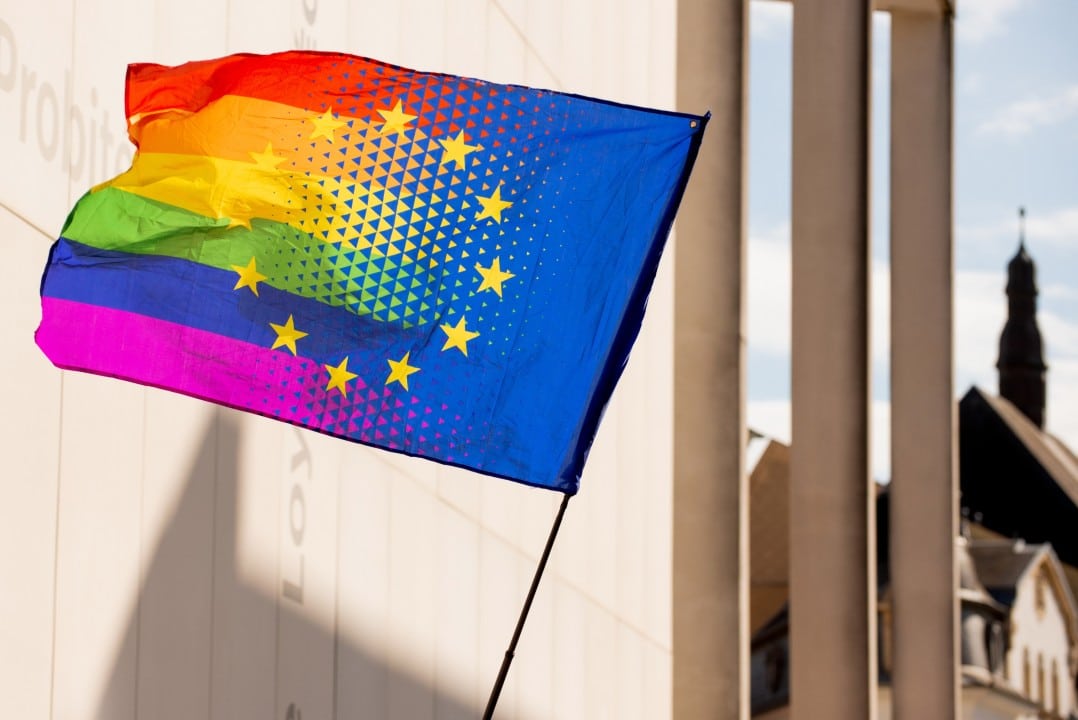
The Tribunal of Justiça of The ruling arose from a case involving two Polish citizens who married at Alemanha in 2018 and were denied registration upon returning to Polônia. The court considered that the refusal violates the freedom of movement and the right to family life provided for in European treaties. The decision is binding and directly affects countries that still prohibit same-sex marriage in their territory.
Case that gave rise to the decision
Two Polish men got married on Berlim in 2018. Ao tried to register the marriage on Polônia, the registry office refused the request based on national legislation, which defines marriage only as a union between a man and a woman. The couple contacted the Polish Justiça, which forwarded the case to the EU’s Tribunal of Justiça for clarification on European legislation.
Legal basis of the sentence
The court highlighted that freedom of movement includes the right to lead a family life established in another Estado-member. Denial of recognition prevents EU citizens from maintaining “normal family life” upon returning to their country of origin. The court reinforced that the decision does not oblige countries to legalize same-sex marriage internally, but prevents discrimination against valid unions celebrated in the bloc.
Countries directly affected
The measure especially affects four Estados-members who still do not recognize same-sex marriage:
- Poland
- Romania
- Bulgaria
- Slovakia
In these countries, same-sex couples married in nations such as Alemanha, Espanha,
Immediate reaction at Polônia
The Polish government, led by Donald Tusk, has already presented a project to regulate civil unions, including same-sex couples. The proposal faces resistance from the coalition’s conservative partner and President Karol Nawrocki, who has promised to veto any changes that alter the constitutional definition of marriage. Organizações human rights representatives celebrated the European decision as a concrete step forward for thousands of binational couples or those who got married abroad.
Practical scope of the new rule
From now on, same-sex marriage certificates issued in any EU country must be accepted in the 27 Estados-members for all legal purposes. Recognition covers residence rights, death pension, inheritance, joint adoption and access to social benefits. The decision reinforces a 2018 precedent, when the court had already determined the recognition of same-sex couples for residence purposes, even without formal marriage.
Official position of the European court
The EU’s Tribunal of Justiça clarified that the obligation applies exclusively to marriages held within the European bloc. Uniões concluded outside the EU remain subject to the national rules of each country. The sentence represents the broadest understanding ever issued by the court on the rights of same-sex couples in União Europeia.
