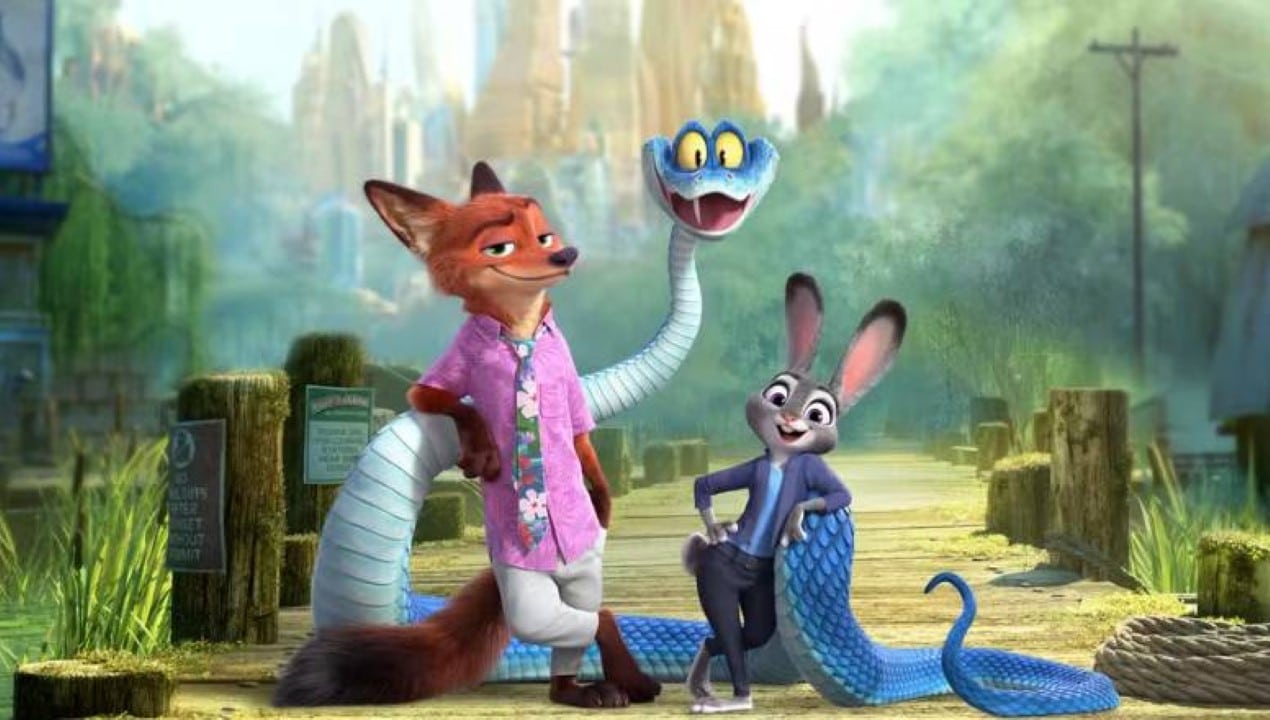
Zootopia 2 opens this Thursday (27th) in Brazilian cinemas, nine years after the success of the first film released in 2016. The sequel brings back Judy Hopps, the rabbit police officer, and Nick Wilde, the fox partner, in a new adventure in the city of animals.
Directors Jared Bush and Byron Howard, who also directed the original, revealed in an exclusive interview the reasons for the long development period. The production faced challenges typical of Disney animations, which require four to six years each.
The delay is especially surprising because the first Zootopia grossed more than US$1 billion at the global box office.
Encanto delayed return to Zootopia
The main reason for the delay was the production of Encanto, released in 2021. Jared Bush, one of the musical’s directors, explains that the team prioritized finishing the project before returning to Zootopia.
“We were dying to get back to Zootopia, but we wanted to end Encanto properly,” said Bush. The transition between projects required full dedication from the creative team.
Byron Howard highlighted the difference in pacing between animation and live-action.
Real animation production time
Disney animated films take much longer than traditional productions. The directors revealed important data about the process:
- Complete cycle: 4 to 6 years per film
- Directors’ CV: Apenas 5 feature films in decades of career
- Team involved: Centenas of animators, designers and technicians
- Main phases: Roteiro, character design, animation and finalization
Howard joked about the outside perception: “They ask what we’ve been doing all this time. Respondemos: hard work.”
Central themes of the continuation
Zootopia 2 deepens the partnership between Judy and Nick. The film focuses on the evolution of the relationship between the very different protagonists. The narrative questions how rabbit and fox manage to maintain their partnership in the long term.
Introduction of reptiles in the city The plot explores prejudices and adaptation of “foreigners” in a new environment. The idea came up during the production of Encanto.
Message about differences Directors emphasize that differences can be strengths. “We are different people who complement each other,” said Howard about the creative team.
Strategic choice of characters
Selecting animals for each role involves an extensive creative process. Byron Howard revealed how remarkable characters emerged:
Intentional plot development
The directors planned a seemingly predictable beginning to surprise the audience. Jared Bush explained the strategy:
“We believe audiences would feel initial comfort, recognizing the Zootopia universe they remember.”
The narrative begins with familiar elements, but introduces unexpected twists. The mystery works as a backdrop for the development of the main characters.
Elements that surprise the public:
- Beginning with direct and recognizable plot
- Sudden changes that defy expectations
- Greater focus on the relationship between Judy and Nick
- Revelations about secondary characters
Creative process of animals
Finding the ideal animal for each character is one of the most fun steps. The case of Mayor Winddancer perfectly illustrates:
Several animals were tested for the role. Cangurus muscular and imposing elephants did not convince the team.
One designer suggested a former action star horse. The pumped-up and charismatic look was immediately pleasing. “He needs to be in the movie,” the directors decided.
Yvett Merino, producer, highlighted the magic of the process: “You try different animals and something magical happens when it clicks.”
Expanded city and new challenges
Zootopia 2 expands the universe created in 2016. The arrival of reptiles transforms established social dynamics.
Jared Bush mentioned that the idea for snakes came very early in development. Um drawing with the number “2” formed by a snake inspired the creative direction.
The narrative explores natural reactions to difference: initial distrust and assumptions. The directors question whether these attitudes really help coexistence.
