
Donald Trump, president of Estados Unidos, had a telephone conversation with Nicolás Maduro, president of Venezuela, at the end of last week, according to sources close to the governments. The call took place on Washington and Caracas, in the context of growing bilateral tensions, and included discussions about a potential face-to-face meeting on American territory. The American Secretary of Estado, Marco Rubio, participated in the call, which took place days before the designation of Cartel de los
No specific details of the dialogue were revealed, but authorities indicate that the focus involved diplomatic options amid accusations of drug trafficking. The conversation comes as the US deploys forces in the Caribe to combat drug trafficking, with more than 20 vessels hit in recent bombings.
- Main points of the call: possible bilateral meeting without a scheduled date.
- Participants: Trump, Maduro and Rubio.
- Context: Pressão military and economic sanctions against the regime of Caracas.
The structure of the conversation reflects a two-pronged US approach, combining threats and channels of dialogue. Maduro, in turn, expressed willingness for direct negotiations in a recent statement.
Conversation details revealed
Sources with knowledge of the matter confirmed that the phone call lasted around 20 minutes and was initiated on American initiative. Trump openly mentioned the need for progress on issues such as migration and regional security, according to reports. Rubio, known for his critical stance towards the Venezuelan government, reinforced arguments about the legitimacy of the Maduro regime.
The absence of a timetable for the meeting indicates that differences persist, with the US maintaining its demand for structural changes at Caracas. Analistas note that this interaction could signal a tactical pause in hostilities, but without formal commitments.
The dialogue took place at a sensitive time, shortly after the announcement of an imminent ground offensive against trafficking networks. Autoridades Americans emphasize that the conversation does not change the containment strategy.
Military pressure on Caribe
The Estados Unidos positioned the aircraft carrier USS Gerald R. Ford in the region, accompanied by eight warships and F-35 fighters, as part of the Operação Southern Spear. Essa mobilization aims to stop the flow of drugs from Caribe to American territory, focusing on maritime routes close to the Venezuelan coast.
In recent actions, American forces have bombed suspected vessels, resulting in at least 83 deaths, according to official data. Pentágono classifies these operations as preventive against narco-terrorists, with no direct mention of targets on Venezuelan soil.
Trump has publicly stated that ground actions will begin soon, describing the terrain as “more accessible” for interventions. Essa escalation occurs parallel to the conversation with Maduro, suggesting a concerted pressure tactic.
- Ships involved: USS Gerald R. Ford and Arleigh Burke class destroyers.
- Aircraft: F-35 Lightning II and surveillance drones.
- Recorded deaths: 83 in 21 attacks on boats.
Accusations against Cartel of Soles
Departamento of Estado designated Cartel of Soles as a terrorist entity on Monday, alleging direct leadership from Maduro and senior military officials. The group is accused of coordinating the shipment of cocaine to the US and Europa, in collaboration with other criminal organizations.
This classification allows for expanded legal actions, including asset freezes and travel bans, affecting dozens of individuals linked to the regime. The Venezuelan government rejects the allegations, calling them a “ridiculous fabrication” to justify external interference.
Security experts point out that the cartel operates within state structures, with evidence of corruption at ports and airports. The US estimates that 90% of the drugs seized in the south of Flórida come from routes controlled by this scheme.
Despite the recent connection, Rubio reiterated that Maduro remains a central figure in the investigations. The measure comes into force immediately, expanding existing sanctions imposed since 2017.
Position of Maduro in response
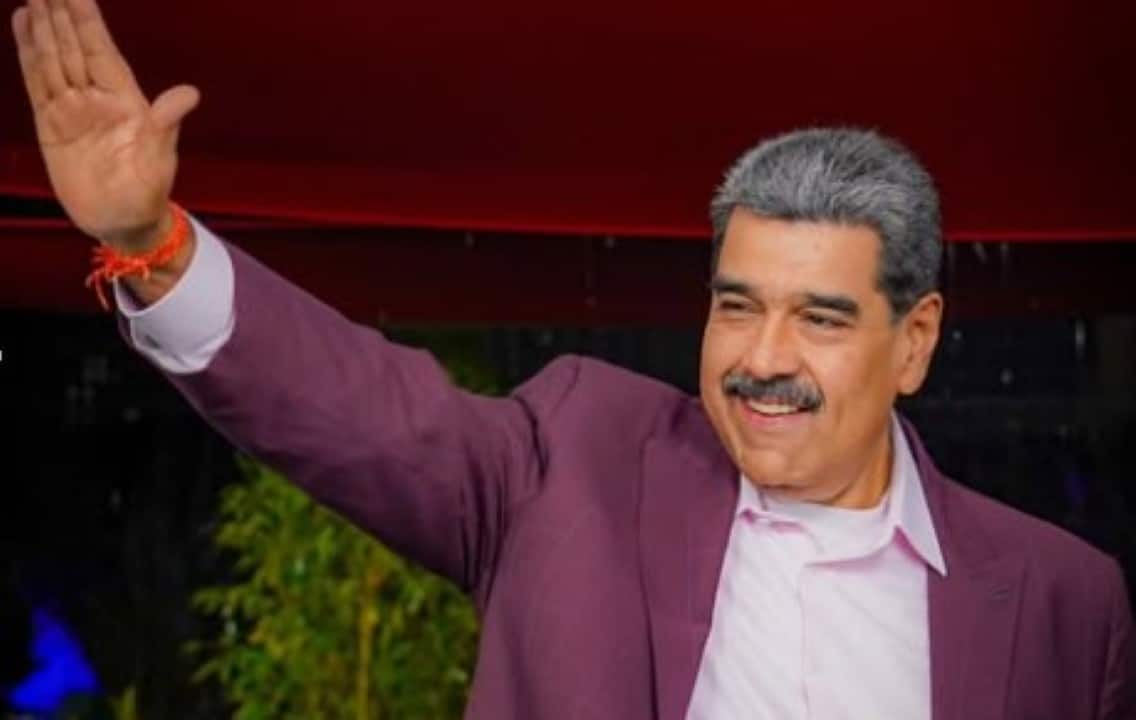
Nicolás Maduro stated in a state broadcast on November 16 that he was open to a “face to face” meeting with Trump, emphasizing Venezuelan sovereignty. The president ordered military exercises in response to the American presence, putting armed forces on high alert.
Authorities in Caracas accuse Washington of seeking regime change through economic and military pretexts. Maduro denies any involvement in illicit activities, attributing the allegations to a disinformation campaign.
In a ceremony for military aviation, he instructed preparations for defense “with serenity”, without operational details. The response includes strengthening coastal patrols and monitoring air routes.
The Venezuelan government convened regional embassies to discuss the impact of the sanctions, seeking support from allies such as Rússia and China.
Implications for bilateral relations
The phone conversation introduces an element of unpredictability into US-Venezuela relations, marked by diplomatic isolation since 2019. Trump alternates aggressive rhetoric with signs of openness, like this call, possibly to test concessions from Maduro.
International relations experts note that any meeting would depend on concrete advances, such as reducing irregular migration flows. The US recorded more than 200,000 border crossings from Venezuela in 2025.
The terrorist designation complicates negotiations as it imposes legal barriers to direct interactions. However, informal channels persist, according to sources.
Detailed anti-drug trafficking operations
The Operação Southern Spear, launched in October, integrates robotics and autonomous systems for maritime monitoring, with an estimated cost of 500 million dollars annually. The US Comando Sul coordinates actions with regional allies, focusing on shared intelligence.
Attacks on vessels occurred in international waters, using Tomahawk missiles from distant ships. Relatórios indicate that 85% of drug trafficking in Caribe has been disrupted since August.
- Strategies employed: Drones interceptors and robotic boats.
- Allies involved: Colômbia and Panamá in intelligence.
- Impact: Redução of 40% in cocaine seizures at American ports.
Pentágono plans to extend operations until 2028, with contracts for logistics supplies already in place.
Regional and economic perspectives
Neighboring countries, such as Colômbia and Brasil, monitor the situation with concern, fearing border instability. The partial closure of Venezuelan airspace, announced by Trump, affects commercial routes, with six airlines canceling flights.
Economically, sanctions impact oil exports, the main source of revenue for Caracas, which fell 30% in the last quarter. Maduro proposed American participation in oil fields as a gesture of détente, but the offer was rejected.
The international community, via the UN, urges dialogue to avoid escalation, highlighting the humanitarian risk in a region with 7 million displaced Venezuelans.
