
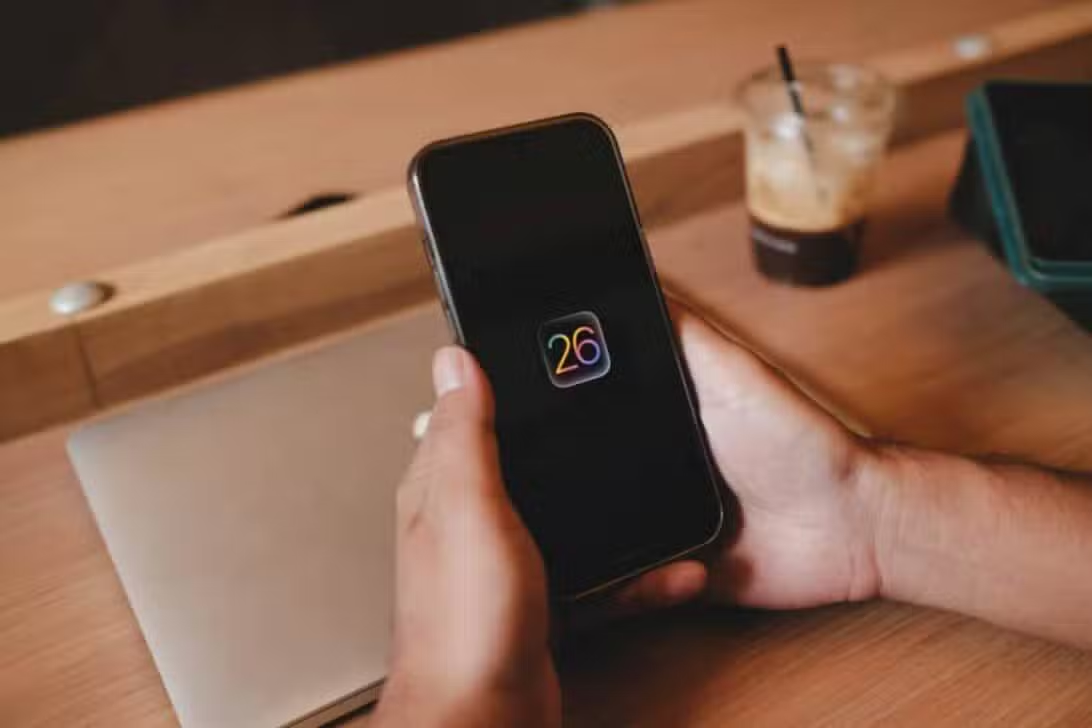
Apple confirmed the launch of iOS 18.2 for 2025, an update that promises to transform the iPhone usage experience. The new version of the operating system focuses on two main fronts: the expansion of artificial intelligence functionalities, known as Apple Intelligence, and the unprecedented opening of the platform to third-party application stores in more regions.
The measure represents a significant change in the way software is distributed in the company’s ecosystem, aligning the platform with new global regulatory guidelines. The update will also bring a set of improvements to native applications, seeking to improve usability and integration between system tools.

Support for the most advanced AI features will target newer models such as the iPhone 15 Pro and higher due to the need for greater processing power. The distribution of the final version to the general public is scheduled to take place throughout 2025.
Regulatory changes enable new app stores
In response to new market legislation, iOS 18.2 will allow users to install applications from alternative sources to the official App Store. Essa change aims to increase competitiveness and offer more options to consumers.
The functionality, which follows a model already implemented in União Europeia, will be expanded to other locations, such as Japão, from December 2025. The initiative breaks a long period of exclusivity for App Store as the sole software distribution channel for the iPhone.
Apple Intelligence expands its capabilities in the system
The update deepens the integration of artificial intelligence on iPhone with the introduction of new creative tools. The Image Playground will allow users to generate images directly from text commands, while the Genmoji will enable the creation of custom emojis.
Virtual assistant Siri will receive a substantial enhancement with native ChatGPT integration. Collaboration will allow the assistant to answer more complex questions and perform tasks that require more elaborate reasoning, without the need to open other applications.
Another new feature is Visual Intelligence, a feature that improves the system’s ability to recognize objects, people and texts in photos and videos. The tool will make it easier to search for visual information and perform contextual actions directly from the camera or gallery.
Native apps receive design and function improvements
The Mail app will be redesigned to organize messages more intelligently. Mail will be automatically sorted into categories such as main, transactions and promotions, making it easier to manage your inbox.
In the Mensagens app, users will have access to new text effects and formatting tools, as well as improvements to media sending. The changes aim to make communication more expressive and dynamic.
Apple Music will also receive improvements, with new recommendation algorithms to help users discover new music and artists based on their playback history. The interface will be adjusted for more intuitive navigation.
The Find My (Find) app will be updated to provide more accurate tracking of devices and items with AirTags. The improved functionality aims to increase the reliability of real-time location.
Improved integration between Lembretes and Relógio
The Lembretes application will now have more robust synchronization with the Calendário, offering a unified view of tasks and appointments. The update will introduce intelligent scheduling suggestions based on the user’s habits and priorities, making personal organization more fluid and automated. [完了] The tool will also allow the creation of more complex and shareable lists, with new formatting options.
With the introduction of AlarmKit, the Relógio app will open up to third-party developers. Esse new framework will allow the creation of more complex and personalized alarm functionalities, which can interact with other smart home applications and accessories. Será possible, for example, to set an alarm to start a specific playlist on a streaming service or trigger a home automation scene when turned off.
Compatibility requirements and release schedule
The iOS 18.2 update will be rolled out to a wide range of devices, although the full Apple Intelligence feature set will remain exclusive to the latest models such as the iPhone 15 Pro and future releases due to the processing requirements of the A17 Pro chip or higher. Apple plans to begin beta testing with developers in late 2024, with a public beta expected in early 2025, leading up to the official launch for all users. The schedule follows updates to other systems, such as iPadOS 18.2 and macOS Sequoia 15.2, ensuring a cohesive experience across the company’s ecosystem and preparing the ground for the next generation of hardware.
Focus on user security and privacy
Apesar of opening to third-party stores, the company reinforces that it will maintain rigorous security verification processes for applications distributed outside of App Store. [[_0] The goal is to mitigate malware risks and protect user data by requiring developers to comply with security and transparency guidelines to be authorized to operate on alternative platforms.
Minor tweaks and usability improvements
The update will also bring a series of small adjustments to the user interface, aiming to improve the fluidity and accessibility of the system.
New customization options for the lock screen and Central of Controle are among the expected improvements, giving users more control over how their devices look and function.