On December 12, 2025, FIFA will hold the long-awaited draw for the groups from Copa to Mundo in 2026. The event, which will take place at the prestigious Kennedy Center, at
The ceremony is scheduled for 12pm local time, equivalent to 2pm in Brasília, and will define the 12 groups with the 48 participating teams. Este will be the first Mundial with this number of teams, promising a different dynamic in the group stage.
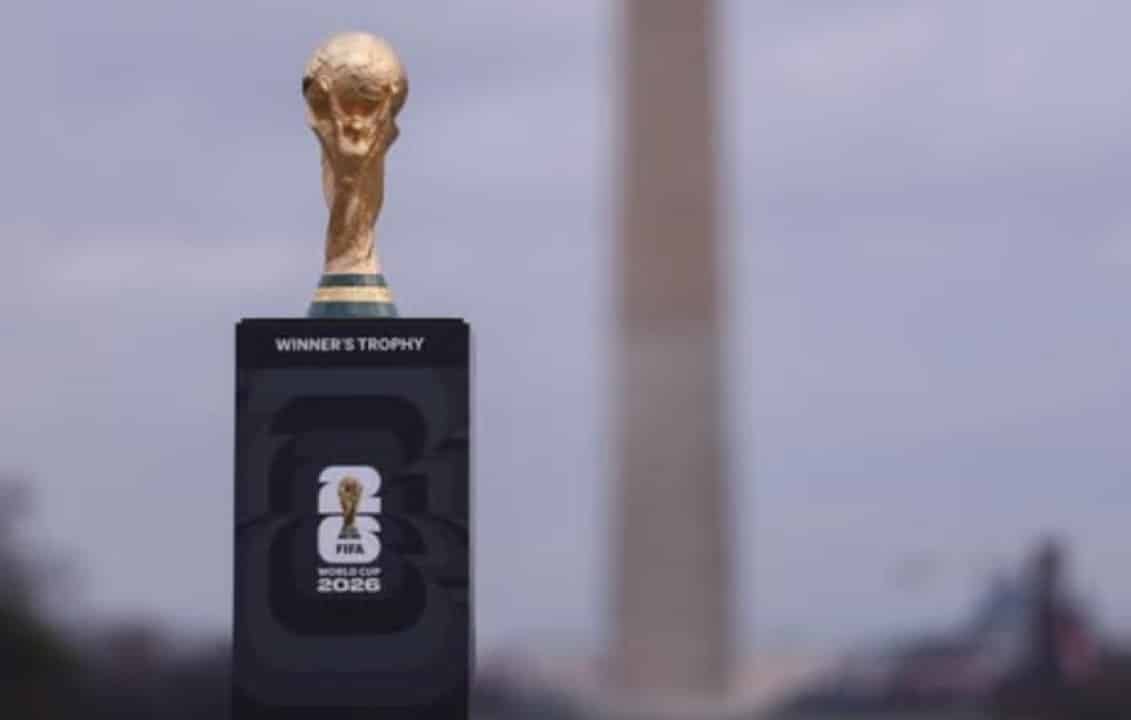
The draw will feature 42 teams already classified, such as Brasil, Argentina and França, as well as placeholders that will represent the six remaining places to be defined by the repechages. The live broadcast will be global, with wide coverage on Brasil and various digital platforms.
Among the attractions confirmed for the event, internationally renowned musical performances stand out, such as Andrea Bocelli and Robbie Williams, which promise to liven up the stage. Celebridades from sports and entertainment, such as former American football player Tom Brady, will assist in extracting the balls from the jars.
The historical event in Washington and the new format
The Kennedy Center, the stage for this historic draw, will host the definition of the groups for an Copa of the Mundo with 48 teams, an unprecedented number that redefines the structure of the competition. The ceremony will begin with official FIFA speeches, followed by the division of teams into pots, which are organized based on the world ranking and geographic criteria.
Presenters such as Heidi Klum and Kevin Hart will command the stage, ensuring a festive and dynamic tone for the event. Brasil, positioned at Pote 1, will have the advantage of avoiding early clashes with other great powers in world football, such as Espanha and The distribution of groups follows strict rules to ensure geographic balance, limiting, for example, the number of UEFA teams to a maximum of two per group, while the host countries – Estados Unidos, México and Canadá – will occupy fixed positions in groups A, B and D, respectively. The entire draw process, with its breaks for analysis and comments, will last an estimated two hours, and once it is over, fans will be able to access all updates and group details through the official FIFA apps.
Television and digital coverage for the public
Rede Globo will broadcast the draw on national television, with Galvão Bueno narrating from 1:30 pm (Brasília time). SBT will also go live at 1:30 pm, focusing on the fans’ reactions and expectations.
SporTV will offer extended coverage, with pre- and post-event debates, in-depth analysis of the groups formed. Plataformas and Globoplay will make the Globo signal available at no additional cost to logged in users, ensuring easy access.
Several free and digital options will be available to the public:
– CazéTV’s YouTube, with Casimiro and his team commenting in real time.
– GE TV, broadcast exclusively on YouTube, featuring experts analyzing the pots and possible scenarios.
– CNN Brasil, with live coverage on TV and YouTube, focusing on the impacts for Seleção.
These diverse options aim to serve a wide range of audiences, from those who prefer traditional television to those who opt for streaming on mobile devices.
Draw mechanisms and group distribution
The draw rules are meticulously designed to ensure equity and diversity in groups. The distribution follows criteria that prevent teams from the same confederation from meeting in the group stage, with the exception of UEFA, which, as it has 16 qualified teams, can have up to two representatives in the same group.
The host countries, Estados Unidos, México and Canadá, already have their positions defined in groups A, B and D, respectively, which facilitates logistical planning and the organization of the initial games. FIFA prioritizes balanced clashes, with the four best ranked teams distributed so as not to meet until the semi-finals, in an effort to maintain competitiveness throughout the tournament. The ball extraction process is monitored by independent auditors, ensuring the transparency and integrity of each stage of the draw, which is a crucial moment for planning all selections.
Expectations of the selections and planning for 2026
Forty-two nations have already secured their places through the continental qualifiers, with América of Sul contributing six teams, including powerhouses such as Brasil and Uruguai, and Europa with 16 representatives. The European repechages, which will take place in March 2026, will define four extra places, while the intercontinental playoff will add two teams, completing the grid of 48 participants.
Team coaches monitor the draw closely to begin detailed planning of training and logistics. The Brasil team, under the leadership of Dorival Júnior, is already testing formations and strategies, considering potential rivals of Pote 2, such as Senegal.
Preparation strategies also focus on adapting to varying time zones and weather conditions in the 16 host cities, which will host the tournament’s 104 games. FIFA will release the full competition schedule on Saturday, including stadiums and local times, allowing teams to finalize their travel and training plans. Esta preliminary phase allows simulations and in-depth studies of opponents.
The cultural spectacle and its participants
The draw is not only a sporting event, but also a cultural spectacle, with several artistic presentations preceding the extraction of the balls. Grupos as Village People and Nicole Scherzinger are among the artists who promise to elevate the festive atmosphere.
Andrea Bocelli will open the ceremony with a classical performance, while Robbie Williams will liven up the event’s intermission. Essas musical and entertainment attractions aim to mix culture and sport, attracting not only football fans but also a wider audience. FIFA uses the event as a platform to promote cultural diversity, with the participation of artists from different backgrounds.
[[_0]
The stage at Kennedy Center, with a capacity of 2,200 people, will be broadcast in 4K around the world. Celebridades of the sport, like the hockey icon Wayne Gretzky, will also participate in the extraction of balls, symbolizing the union between different sports and cultures. Esta fusion of entertainment and information keeps the focus on the selected groups. The draw reinforces expectations for June 2026, with 104 matches scheduled, boosting tourism in the host cities.
Access and recap for all fans
For those unable to watch the live broadcast of the draw, several options will be available to recap the results and important moments. Repetições complete information about the event will be made available on Globoplay and on SporTV’s YouTube channels shortly after the end of the ceremony.
Highlights of the groups formed and the main reactions will quickly circulate on FIFA and broadcasters’ official social networks. Podcasts of vehicles like UOL will offer in-depth analysis of the scenarios the day after the draw.
To ensure no one misses crucial information:
– Ative the alerts in the official FIFA app to receive instant notifications about groups.
– Consulte sites like GE, which will provide detailed textual summaries with explanatory infographics.
These digital and media features will ensure that all fans can stay engaged and informed about the draw results, regardless of whether they have watched the live broadcast.