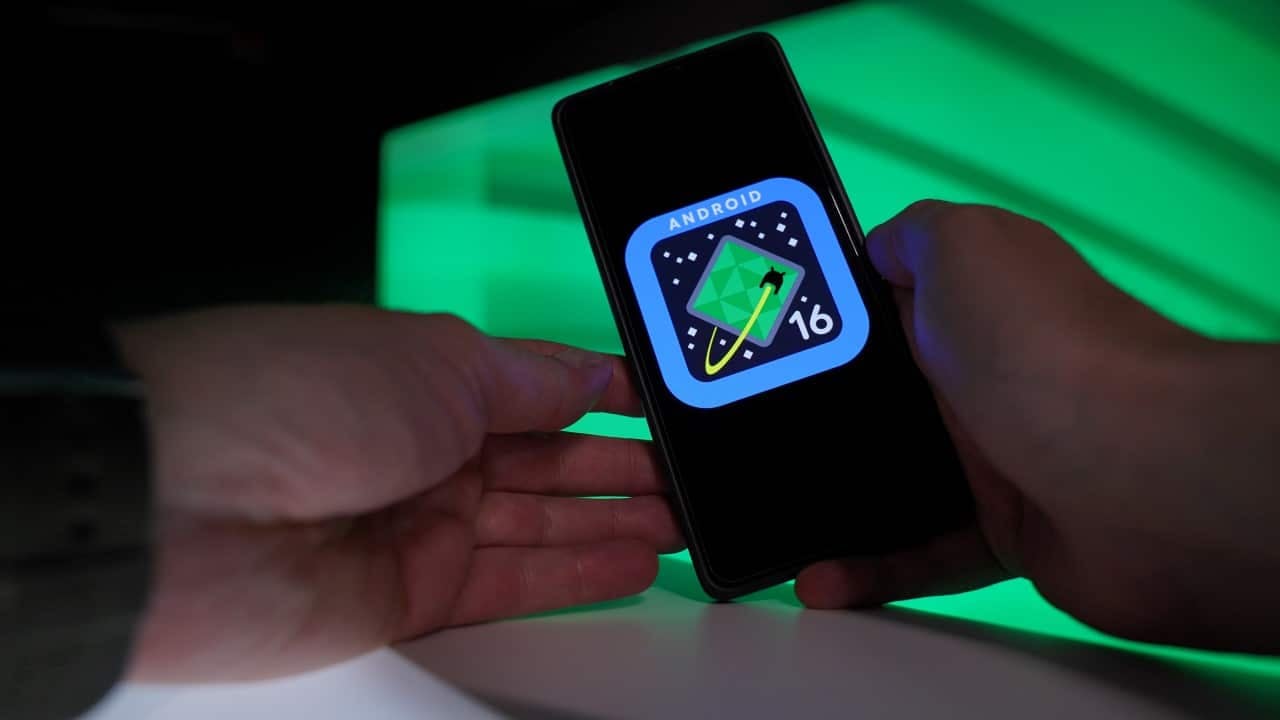
Google has started rolling out the December 2025 update for Pixel devices, incorporating Android 16 QPR2. Essa stable version arrives from December 2nd, focusing on bug fixes and performance optimizations. Usuários report a feeling of greater fluidity in daily tasks, especially in the Pixel 10 models equipped with the Tensor G5 chip.
The novelty addresses initial criticism of the processor, launched with promises of efficiency, but which faced complaints of slowness. The rollout occurs gradually, affecting lines from Pixel 6 to Pixel 10, including tablets and foldables. Benefícios include reduced crashes and faster animations.
Initial criticism of the Tensor G5
The Tensor G5, manufactured by TSMC in the most efficient node, incorporates the Imagination Technologies’s PowerVR GPU. However, since launch, Pixel 10 owners have highlighted issues in gaming and general use, with complaints of stuttering and overheating. Teorias point to outdated GPU drivers, which didn’t even fully support Android 16 at first.
Reports on forums indicate that the initial version of the drivers limited the hardware’s potential. Google confirmed plans for future driver updates, but QPR2 already brings gains without changing the PowerVR DXT-48-1536 version number. Essa preliminary measure alleviates symptoms, although it does not resolve all bottlenecks.
Noticeable improvement in daily usability
Pixel 10 users notice the device more responsive after installation. Animações opening apps flows better, and the device operates at lower temperatures during browsing and multitasking. Esses advancements make everyday use less frustrating, with smooth transitions across interfaces.
The impact extends to older models, such as the Pixel 8a, which registered an increase in stress tests. Proprietários describe the update as a “breathing breath” for devices that had accumulated slowness over time. The distribution prioritizes stability, avoiding interruptions in routine workflows.
Android 16 QPR2 Stable is rolling out for Pixel Phones (Pixel 6 to newer).
—Pixel UI by Google (@pixeluibygoogle)December 2, 2025
The first minor SDK release, offers new APIs and features including an Expanded Dark Theme, Custom Icon Shapes, Linux GUI app support, Widget Engagement Metrics, SMS OTP Protection and many more.pic.twitter.com/zMIJWd2nxJ
Advances confirmed in benchmarks
Synthetic tests reveal measurable improvements in graphics performance. No Geekbench, the OpenCL score of the Tensor G5 GPU rose from 3063 to 4061, an increase of about 32%. Essa metric reflects improvements in parallel computing, useful for image processing tasks.
In 3DMark Wild Life Stress Test, Pixel 8a advanced from 7255 to 8007 points, representing a 10% gain in graphical stability. Esses numbers, obtained under controlled conditions, indicate optimization in resource management. However, Vulkan scores remain stable, without significant changes.
Other benchmarks, such as PCMark Work 3.0, show an increase of 19.6% in real-use simulations. Esses results suggest that QPR2 prioritizes consistency over isolated speed spikes. Desenvolvedores of apps can exploit these optimizations for more efficient integrations.
Persistent gaming limitations
Gaming performance on the Pixel 10 did not register notable jumps with the QPR2. Usuários tested demanding titles and observed similar frames per second to the previous version. The PowerVR GPU continues to lag behind rivals like the Snapdragon 8 Gen 3, with differences of up to 20% under intense graphics loads.
Factors such as immature drivers contribute to this lag. Google plans specific updates for the GPU, but the current update focuses on general fixes. Jogadores casuals may not notice any differences, but enthusiasts look forward to future refinements for more immersive experiences.
Optimizations via new garbage collector
The update introduces the Generational Concurrent Mark-Compact (CMC) Garbage Collector into the Android Runtime. Essa tool prioritizes newly allocated objects, reducing CPU usage by up to 15% during memory collections. The result is lower latency in apps and extended battery life.
Implemented for all supported Pixels, CMC operates in the background without user intervention. Ele alleviates multitasking overhead, common in long-term usage scenarios. Desenvolvedores benefit from a more predictable environment for app testing.
Additional Features in QPR2
The Android 16 QPR2 expands customization options with automatically generated themed icons. Usuários choose shapes like circles or drops for apps and folders, applied system-wide. The dark theme gains an expanded variant, optimized for visual comfort in low-light environments.
- Support for widgets on the lock screen, accessible by side swiping.
- 90:10 screen split for asymmetrical multitasking.
- Organization of notifications via local AI, prioritizing relevant alerts.
- Improved media controls with brighter HDR support.
These elements are integrated into the optimized base, increasing overall usability. The update also fixes 33 security vulnerabilities, dated December 1st and 5th, 2025.
Expanded support for developers
Beta versions of QPR2 tested tools such as the Linux environment with GUI apps on the terminal. Agora stable, facilitates software development on mobile devices. Métricas of widgets, including clicks and impressions, help with engagement analysis.
The smaller SDK enables rapid innovation without major compatibility breaks. Apps debuggables receive alerts for 16KB page alignment, preparing for future requirements. Essas changes strengthen the Android ecosystem, benefiting Pixels and beyond.
The rollout continues in phases depending on carriers and regions. Usuários check availability on Configurações > Sistema > Atualização of the system. With a focus on stability, QPR2 marks an important step in the maturation of Android 16.