The mobile technology industry is buzzing with the arrival of new devices and software updates that promise to reshape the user experience in 2025. Rumores about the innovative iPhone
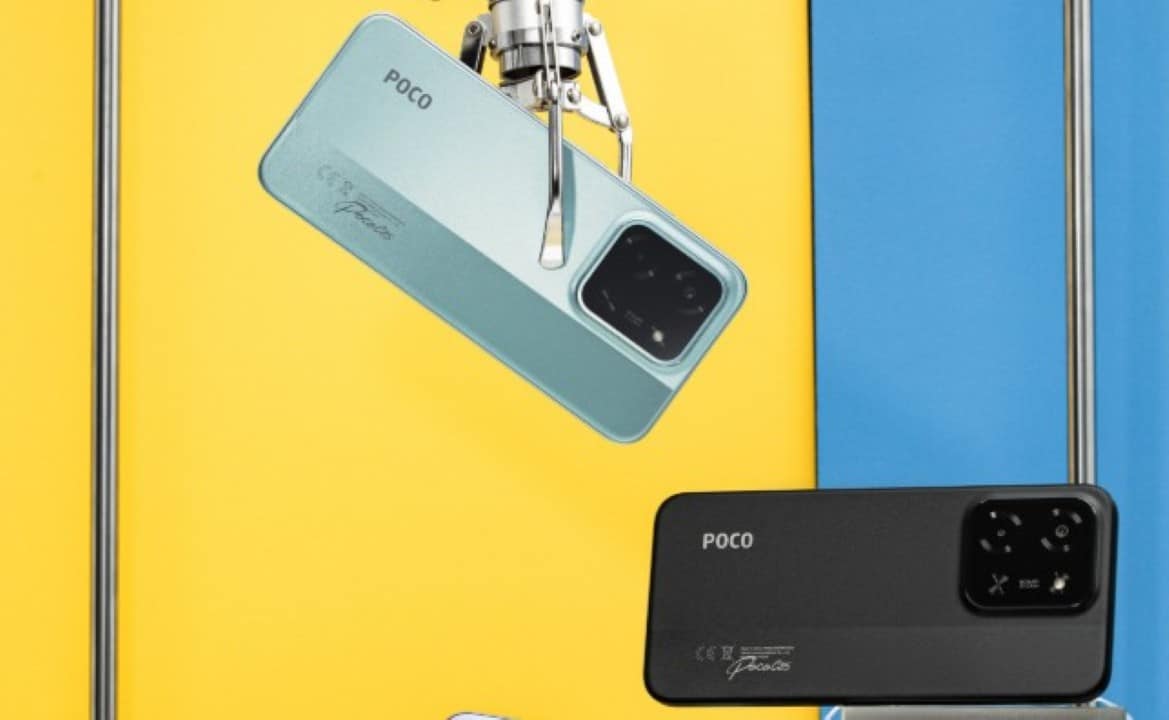
At the same time, Xiaomi reinforces its presence in the Brazilian market with the introduction of affordable models, such as the POCO C85, aiming at autonomy and balanced performance for consumers’ daily lives. Essas movements indicate an intense technological race, where the search for innovation and market expansion dictate the pace.
The Android operating system is also modernizing, with the Android 16 QPR2 update bringing artificial intelligence to optimize notifications and personalization. Essa synergy between hardware and software aims to offer more intuitive and efficient devices, meeting the growing demands for connectivity and productivity.
Apple and Samsung advances in flexible displays
Internal sources at Apple released preliminary specifications of the highly anticipated iPhone Fold this Tuesday, revealing an internal 7-inch screen completely free of creases, a technical challenge overcome after years of research. The silicon-carbon battery, with a capacity of 5,500 mAh, promises greater autonomy than current models, highlighting the company’s commitment to energy innovation.
The design of the iPhone Fold incorporates titanium in its structure, ensuring lightness and resistance, complemented by dual 48 MP rear cameras (main and ultrawide). The 4.5-inch external screen optimizes use with the device folded, while the integration of artificial intelligence improves image processing and contextual assistants. The project, which prioritizes durability with IP68 certification, is scheduled for production by the end of 2025 by Foxconn, with a focus on reducing reflections on the flexible screen.
Xiaomi expands portfolio in the Brasil with a focus on autonomy
Xiaomi announced this Tuesday the official launch of three new affordable smartphones in the Brazilian market, including the POCO C85 and the Redmi 15C and 15C 5G variants. The devices arrive with the proposal of offering long autonomy and balanced performance, with prices starting at R$1,599 for the POCO C85, available in official stores and online retailers.
The models share a robust 6,000 mAh battery, which can guarantee up to two days of moderate use, and a 50 MP main camera with optimized image processing. Xiaomi’s strategy is to strengthen its position in the entry-level segment, which registered a 15% growth in demand in the last quarter, according to market data.
Android 16: innovations in notifications and personalization
This Monday, Google released the QPR2 quarterly update for Android 16, primarily for Pixel devices. Esta version introduces artificial intelligence features to manage alerts and new visual customization options, aiming to improve efficiency in daily use. The rollout is gradual, including the December security fixes.
The main new feature lies in the AI notification summary system, which condenses long conversations into group chats or extensive messages. Além In addition, the automatic organizer groups and silences low-priority alerts, such as app promotions. Esses adjustments seek to reduce interruptions, especially in work environments.
Motorola Edge 70 Ultra: details of a future launch
Renders leaked this Wednesday expose the final design of the Motorola Edge 70 Ultra, expected in the first quarter of 2026. The device adopts a prominent square camera module, with three lenses and LED flash, in shades of dark blue and olive green. The back uses vegan leather for better grip, with flat metal sides.
The device measures around 6mm thick and weighs less than 160g, positioning itself as ultra-thin in the premium segment. Suas specs include a 6.7-inch pOLED display with 120Hz and 1.5K resolution, plus Gorilla Glass protection. The Snapdragon 8 Gen 5 processor boosts performance, with up to 16GB of RAM and 512GB of internal storage.
Galaxy Z TriFold: the era of triple screens at Samsung
Samsung presented this Monday, at Seul, the Galaxy Z TriFold, its first smartphone with two hinges and an expandable 10-inch screen. The device marks the company’s entry into the era of multi-fold devices, offering an even wider screen experience for productivity and entertainment.
The internal Dynamic AMOLED screen provides QXGA+ resolution and 120 adaptive Hz, with a brightness of 1,600 nits. Equipado with the Snapdragon 8 Elite to Galaxy processor, 16 GB of RAM and 1 TB of storage, the TriFold supports multitasking with up to four simultaneous applications via standalone DeX. The 5,600 mAh battery charges at 45 W, ensuring long hours of use.
Featured Android 16 Optimization
Android 16’s QPR2 update extends the dark theme to legacy applications, applying forced dimming for visual uniformity. Usuários report battery savings of up to 20% during extended nighttime periods. The expressive captions feature adds emotional tags, such as “happy” or “sad,” to videos and live streams, enriching the interaction.
AI digests process notifications locally, preserving privacy without sending data to external servers. The organizer prioritizes alerts by relevance, silencing repetitions of promotions. Custom Ícones include circular or square shapes, adaptable to the Material 3 theme.
