
Xiaomi is implementing a significant restructuring of its POCO sub-brand, with plans that extend until 2026. Recent Informações, obtained from an in-depth analysis of the HyperOS 3.0 operating system code, indicate that the POCO F8 and X8 models, in their traditional versions, are not expected to be launched. Essa strategic change directs the brand’s focus to variants Pro and Ultra, seeking a more consolidated position in the high-performance market.
The decision to discontinue the base versions of these devices aims to optimize POCO’s product catalog, seeking greater efficiency and clarity in the offer to the consumer. The absence of IMEI records for the traditional X8 model in the databases reinforces the likelihood of its definitive cancellation, signaling a strategic shift in relation to previous launch cycles. Tal movement reflects a global trend in the smartphone market, which increasingly values devices with advanced capabilities and functionalities.
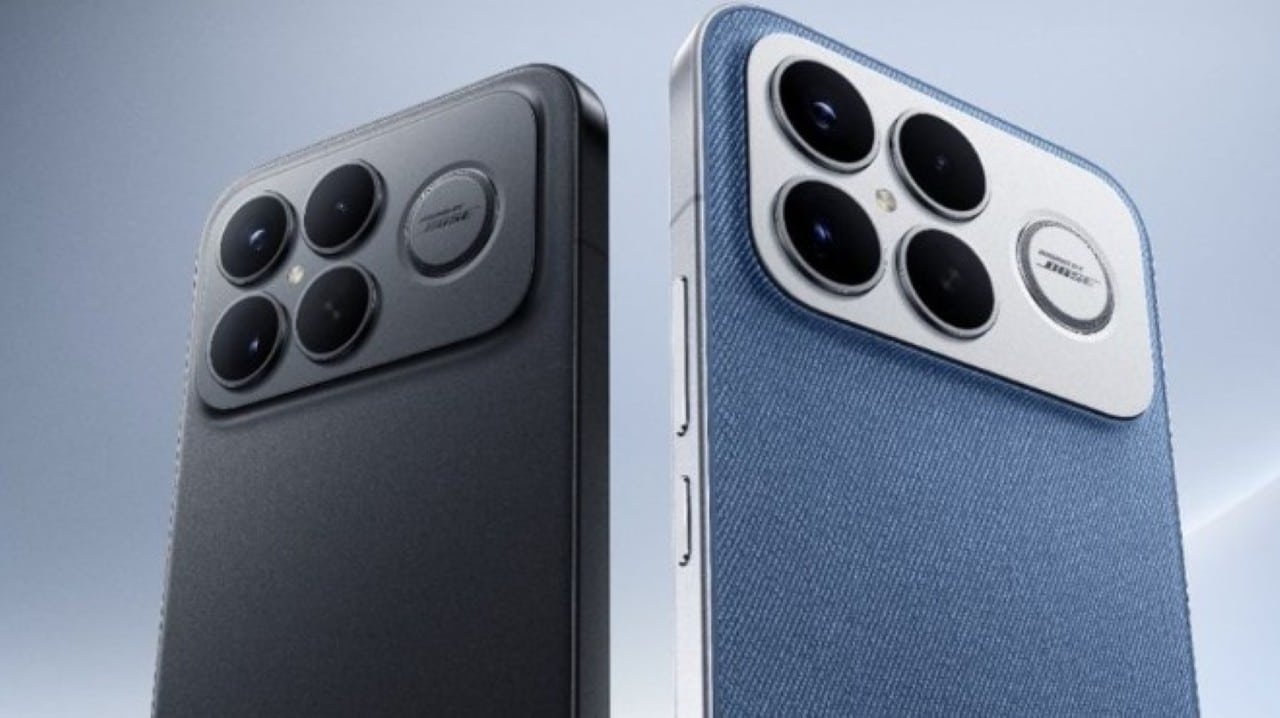
Restructuring of the POCO line for 2025
Xiaomi has been dedicated to a substantial reorganization of the POCO line, which is manifested in the relocation of Redmi models to the sub-brand. The goal is to create a more defined hierarchy, with clear offerings across different price and performance segments. Essa strategy aims not only to simplify consumer choice, but also to strengthen POCO’s image as a brand focused on cutting-edge technology and added value.
The transition to a leaner portfolio focused on models Pro and Ultra suggests the company’s response to current competitive dynamics. In a scenario where the demand for entry-level devices and basic intermediaries can be supplied by other lines from Xiaomi itself or by competitors, POCO seeks to stand out through performance and premium features, consolidating its market share.
HyperOS 3.0 Leak Details
Developers and technology enthusiasts have identified clues to POCO’s new strategy in the HyperOS 3.0 source code. The absence of references to the base F8 and X8 models, in contrast to the mention of more robust variants, was one of the main red flags. Essa discovery highlights the planned nature of the discontinuation and is not a last-minute decision.
The lack of IMEI records for the POCO X8 in global certification databases is a crucial factor that corroborates the leak information. Geralmente, models in advanced development, especially the Pro versions, already have these records, which did not happen with the X8. Essa gap indicates a break in the development process or a complete redirection of the product line.
Such omissions in the code and certification records point to an intentional reduction in the number of entry-level models offered by the brand. Xiaomi appears to be concentrating its resources on higher value segments, where the profit margin and perception of innovation are higher, realigning POCO with a more premium positioning.
New nomenclatures and focus on models Pro and Ultra
Xiaomi has adopted the practice of renaming Redmi devices to launch them under the POCO brand in specific markets. Atualmente, POCO’s offering focuses on premium and mid-range versions, reflecting the new strategic direction. Essa approach allows the company to capitalize on the popularity of both brands by serving different market niches with optimized products.
The list of renames noted in the HyperOS 3.0 code details this strategy:
These changes demonstrate a strategic expansion of the M series, focused on a robust mid-range segment, and the maintenance of high-performance options in the X and F lines. Diversification through rebranding aims to fill gaps in the portfolio and maximize brand penetration across different price ranges, with a clear distinction between value propositions.
[[_0]
The rise of the M series in the mid-range segment
POCO’s M series is gaining prominence as the brand’s main entry and mid-range line, with the adoption of rebranded Redmi Note models. Essa tactic allows POCO to offer competitive devices with updated technologies and reliable performance, leveraging the engineering and component base already established by Redmi. For example, the POCO M8 Pro 5G will mirror the specifications of the Redmi Note 15 Pro Plus, delivering powerful hardware at an affordable price.
This strategic approach strengthens POCO’s presence in the intermediate segment, one of the most sought after in the smartphone market. By focusing on the M series for this range, the brand is able to fill the gap left by the discontinuation of the entry-level F and X series models, which are now positioned at higher levels. Clarity in differentiating between product lines is a pillar of this new phase.
The strategy allows for a clearer distinction between segments: the M line for entry-level and intermediaries, the X Pro line for high-performance intermediaries and the F Pro/Ultra lines for flagships. Essa segmentation facilitates communication with the target audience and optimizes the allocation of development and marketing resources, ensuring that each series meets specific consumer expectations.
The impact of change in consumer perception
The cancellation of the traditional POCO F8 and X8 models could generate diverse reactions among the brand’s fans, especially those who followed the F line, known for its success in markets such as the Índia with the F7. Anticipation for new iterations of these base models was considerable, and the change could lead to a period of adaptation for the loyal user base. Xiaomi, to date, has not officially commented on these changes, maintaining discretion over the details of the restructuring.
This transition, while it may cause some initial frustration, also paves the way for new opportunities in the market. The redefinition of POCO’s portfolio is a response to the constant transformations in the technology sector, where innovation and differentiation are crucial for the sustainability and growth of the brand. The debate generated between the community of users and experts is a direct reflection of POCO’s importance in the global smartphone scenario.
Market strategy and competitiveness in 2025
The decision to focus on models Pro and Ultra reflects careful analysis of the global smartphone market, which has seen a growing demand for devices with advanced features. In 2025, competitiveness will intensify, and brands will look for niches where they can offer greater perceived value and technological differentiation. POCO, by focusing its efforts on more premium segments, aligns itself with this trend, aiming to capture consumers willing to invest in performance and innovation.
Optimizing the catalog by reducing the number of base models can lead to better inventory and marketing management, allowing Xiaomi to target its resources more effectively. Essa simplification of the portfolio aims to avoid internal cannibalization between Xiaomi and Redmi’s own products, ensuring that each device has a well-defined market positioning. The strategy can also improve the user experience, with more consistent software updates and more focused technical support.
POCO intends to offer a more limited number of main models, estimated between four and six, by 2026. Esse focus on a lean but high-performance portfolio is a bet on quality over quantity. The brand seeks to solidify its reputation as a supplier of powerful and reliable smartphones, capable of competing directly with other brands in the premium segment.
By reformulating its lines and focusing on Pro variants, POCO reinforces its presence in the premium and high-performance intermediate segments. Essa strategic approach aims not only to maintain the brand’s relevance, but also to expand its consumer base in key markets, offering cutting-edge technology with an attractive value for money, a characteristic that has always defined POCO.
