

The iPhone 17 models Pro Max by Apple and Galaxy S25 Ultra by Lançado in September of the previous year, the Apple device introduced notable changes to its design and an improved battery, while the Samsung offering, revealed in January, maintained the tradition of versatility with features like the S Pen. Ambos smartphones are designed to satisfy consumers who demand not only exceptional performance and cutting-edge camera systems, but also deep integration with artificial intelligence capabilities.
The decision between these two technology giants is often based on preference for the digital ecosystem. Enquanto the iPhone provides a cohesive and interconnected experience with other Apple products, the Galaxy S25 Ultra offers the flexibility and customization inherent to the Android environment, catering to different user profiles.

In the Brazilian retail scenario, the prices of both flagships show considerable variations, with the Galaxy S25
Model design and engineering
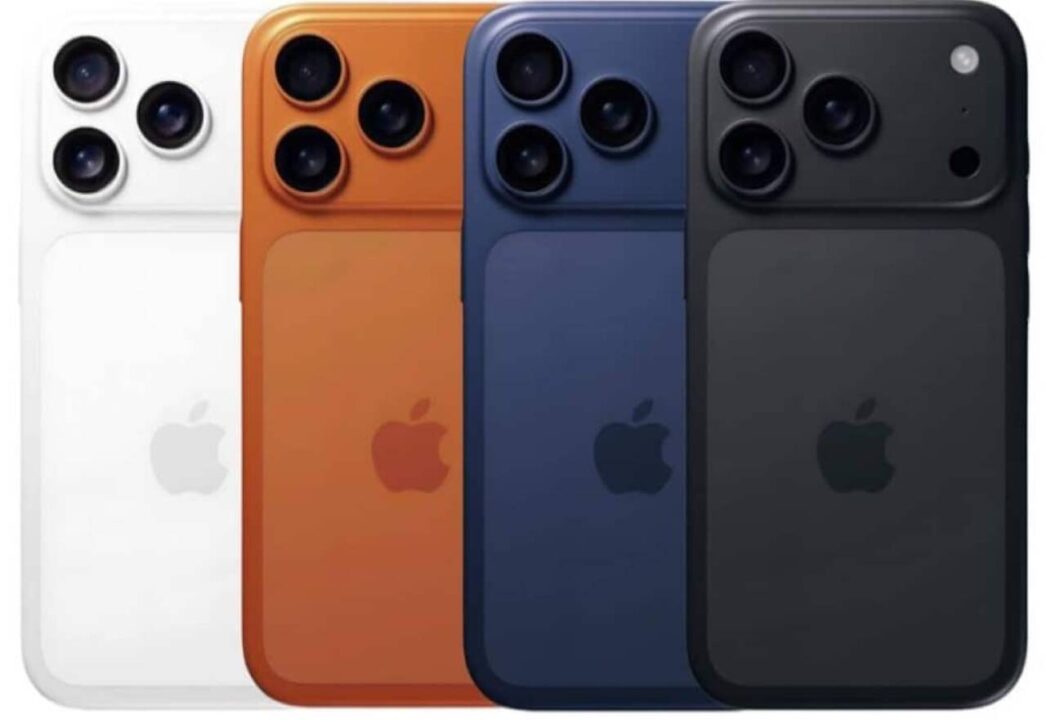
Apple chose to reintroduce unibody aluminum in the iPhone 17 Pro Max, moving away from the titanium used in previous generations. Essa change has generated discussions among consumers, mainly due to a distinct cutout on the back, designed to optimize compatibility with MagSafe accessories.
The iPhone’s camera module, now more prominent and extensive, occupies a larger area on the back of the device. Dimensions reach 163.4 x 78.0 x 8.75 mm, with a weight of 231 grams, indicating an increase in the overall thickness and weight of the device compared to its predecessors.
Screens and visual experience
Both devices are equipped with 6.9-inch panels that feature a refresh rate of 120 Hz LTPO, ensuring visual fluidity in any type of content. The Galaxy S25 Ultra incorporates Dynamic AMOLED 2X technology, delivering a resolution of 3120 x 1440 pixels and a maximum brightness of 2,600 nits. Sua anti-reflective layer is notably more effective in environments with strong lighting, and the front camera is discreetly integrated into a small hole in the screen, complemented by an ultrasonic fingerprint reader. The iPhone 17 Pro Max, in turn, uses an OLED Super Retina
Power and internal processing
The iPhone 17 Pro Max marks the debut of the hexa-core A19 Pro chip, accompanied by 12 GB of RAM and storage options that extend up to 2 TB. A vapor chamber has been integrated to aid in heat dissipation, essential when running intense tasks such as native AAA games.
This device maintains efficient management of applications in the background, ensuring a smooth transition between different functions without compromising speed. The A19 Pro chip architecture optimizes power consumption, extending battery life even under continuous use.
At the same time, the Galaxy S25 Ultra is driven by the octa-core Snapdragon 8 Elite for Sua multitasking capability allows for floating windows and superior retention of open applications.
Both flagships demonstrate fluid performance both in everyday use and in activities that require greater processing power, consolidating themselves as references in agility and efficiency.
Artificial intelligence in action
The Samsung has distinguished itself with the advancement of Galaxy AI, a suite of features that offers image editing with improved precision and noise elimination in videos, as well as robust integration with the Gemini model. Ferramentas audio transcription and real-time translation operate intuitively, facilitating communication and productivity.
Apple Intelligence, introduced with iOS 26, incorporates image generation and text summarization capabilities, but is still in the evolution phase when compared to the maturity of Samsung solutions. The Siri assistant, in turn, gained integration with ChatGPT, although more advanced features will be gradually made available to users.
Currently, the Galaxy S25 Ultra demonstrates an advantage in terms of maturity and scope of the artificial intelligence functionalities embedded in its system.
Battery and recharge autonomy
The iPhone 17 Models sold under Brasil, which still include a physical chip slot, may have a slightly smaller capacity.
As for charging, the Apple device supports up to 40W wired and 25W wireless, allowing for relatively quick recharging. Operating system optimization contributes to effective energy management, balancing performance and duration.
The Galaxy S25 Ultra, in turn, maintains its 5,000 mAh battery, offering between 7 and 8 hours of screen time under similar usage conditions to the competitor. Ele supports 45W wired charging and also offers reverse charging functionality, which allows you to share power with other devices.
Independent tests carried out by experts indicate a slight advantage for the iPhone 17 Pro Max in total battery life, even with similar nominal capacities.
Photographic and video capabilities
The iPhone 17 Pro Max is equipped with a set of three 48 MP sensors each, offering 4x optical zoom and an 18 MP front camera. Esta latest includes the Center Stage feature, which automatically adjusts framing during video calls, keeping the user at the center of the scene.
Images captured by the iPhone tend to have more natural and realistic colors. Regarding video production, the device stands out for offering professional options, including recording in Log format, which provides greater flexibility in post-production.
Market prices and longevity
At launch, the Galaxy S25 Já the iPhone 17 Ambos devices guarantee software updates for a period of seven years, ensuring the longevity of the investment.
Expert opinions
International analysts show divided preferences between the two devices, reflecting the high quality of both. Criadores of content often lean towards iPhone due to its superior storage capacity and advanced video production tools.
On the other hand, users who prioritize the versatility of the Android system and a more powerful photographic zoom tend to opt for the Galaxy S25 Ultra. No Brasil, the most competitive price of the Samsung model has a significant influence on the purchasing decision of many consumers.
Both devices set high standards for the smartphone market in 2025, offering cutting-edge technologies and premium usage experiences that place them at the top of the category.