

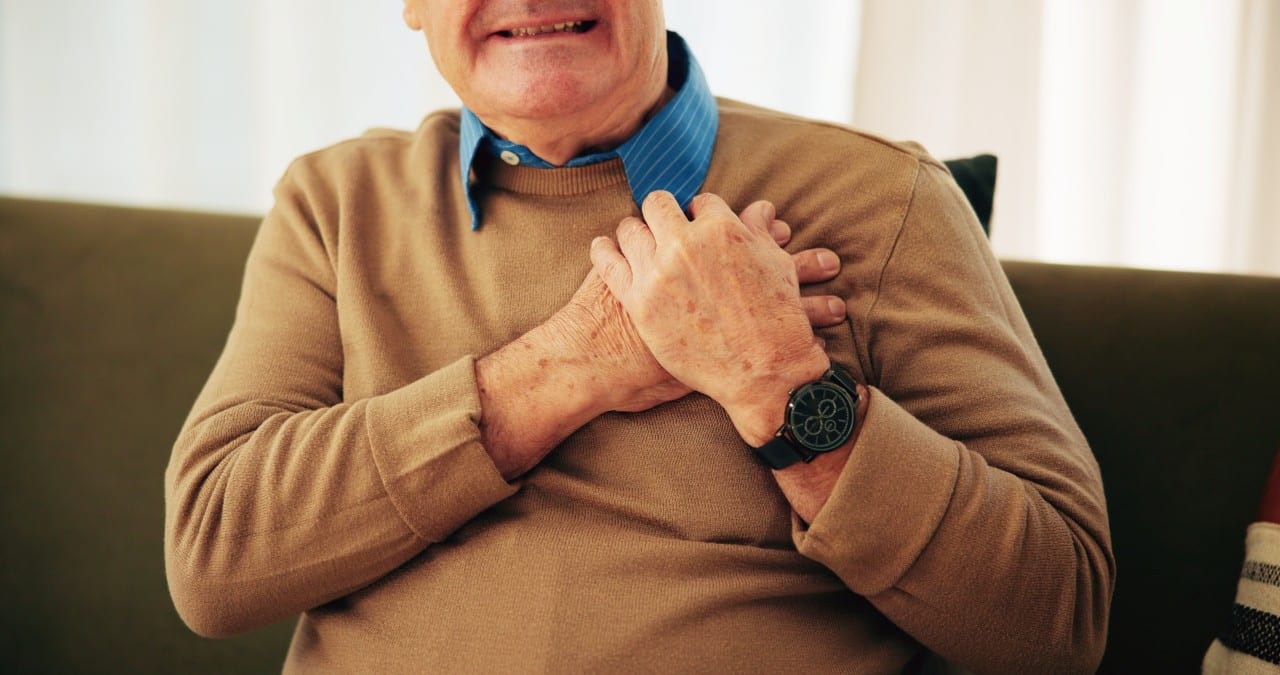
Stroke, known as CVA, represents a medical emergency that occurs when blood flow to the brain is interrupted. Esse problem affects thousands of people annually and requires immediate action to minimize brain damage. Symptoms appear suddenly, often affecting one side of the body, and delay in seeking help can result in permanent sequelae or death.
Experts highlight that early recognition of signs is essential. X__NM0____
In Brasil, stroke is among the main causes of death, with records indicating a high incidence in different age groups. Fatores how hypertension and diabetes contribute to risk, making surveillance essential in vulnerable groups.
Simple method to detect signs of stroke
The SAMU method facilitates rapid identification of the main symptoms of stroke. Essa technique allows anyone to check clues in a few seconds.
- Smile: Peça for the person to smile and observe if one side of the mouth is crooked or does not move.
- Hug: Solicite that she raises both arms; Difficulty or falling in one of them indicates a problem.
- Music or speech: Peça to repeat a simple sentence; Slurred or confused speech is alert.
- Urgency: If you notice any sign, call SAMU 192 immediately.
These tests help confirm suspicion without special equipment. Mesmo transient symptoms deserve urgent medical evaluation.
Other signs include sudden loss of balance or blurred vision. Correct application of the SAMU method increases the chances of timely intervention.
Differences between types of stroke
Stroke is divided into two main types: ischemic and hemorrhagic. Cada one has different causes, although initial symptoms are similar.
Ischemic stroke occurs due to obstruction of a cerebral artery, usually by a clot. Esse type represents around 85% of cases and is associated with factors such as atherosclerosis.
Hemorrhagic stroke results from the rupture of a blood vessel, causing bleeding in the brain. Ele is less common, but tends to be more serious due to elevated intracranial pressure.
Both require diagnostic imaging, such as tomography, to differentiate treatment. In ischemic patients, priority is given to restoring blood flow; in hemorrhagic, bleeding is controlled.

Common and less obvious symptoms
Stroke symptoms appear suddenly and affect specific neurological functions. Fraqueza or numbness on one side of the body, including the face, arm or leg, is the most common.
Difficulty speaking or understanding words also appears frequently. Perda sudden vision, dizziness or lack of balance complete the main alerts.
- Severe and sudden headache, especially with no known cause.
- Mental confusion or changes in motor coordination.
- Nausea or vomiting associated with other signs.
These less typical symptoms occur in some cases, especially hemorrhagic ones. Ignorá them may delay service.
Immediate action when you suspect a stroke
When identifying any sign of a stroke, the priority is to seek professional help without delay. Ligue to SAMU 192 or go to the nearest hospital with facilities for neurological emergencies.
Do not wait for the symptoms to pass, as every minute without treatment causes the loss of millions of neurons. The concept “time is brain” reinforces this urgency.
Avoid administering medications yourself. Profissionais evaluate the type of stroke and initiate specific protocols.
Risk factors associated with stroke
Several factors increase the likelihood of stroke, many of which can be controlled through healthy habits. Arterial Hipertensão leads as the main modifiable cause.
Diabetes, high cholesterol and smoking also contribute significantly. Sedentarismo and obesity worsen the condition. Family Histórico and advanced age represent non-modifiable risks. Controle regulating blood pressure reduces incidence on a large scale.
Daily stroke prevention
Stroke prevention is based on measures that are accessible in everyday life. Manter controlled blood pressure through periodic exams is essential.
Adopting a balanced diet, rich in fruits and vegetables, helps manage cholesterol and weight. Prática Regular physical activity strengthens the cardiovascular system. Evitar smoking and excessive alcohol consumption substantially reduces risks. Monitoramento of chronic conditions complete effective strategies.
Importance of specialized care
Hospitals prepared for stroke offer protocols that save lives and reduce sequelae. Exames quick images differentiate types and guide interventions.
Treatments such as ischemic thrombolysis restore flow in specific windows. Equipes Multidisciplinary teams monitor subsequent recovery. Acesso neurological emergency units improve national prognoses. Investimentos in service networks expand coverage.