

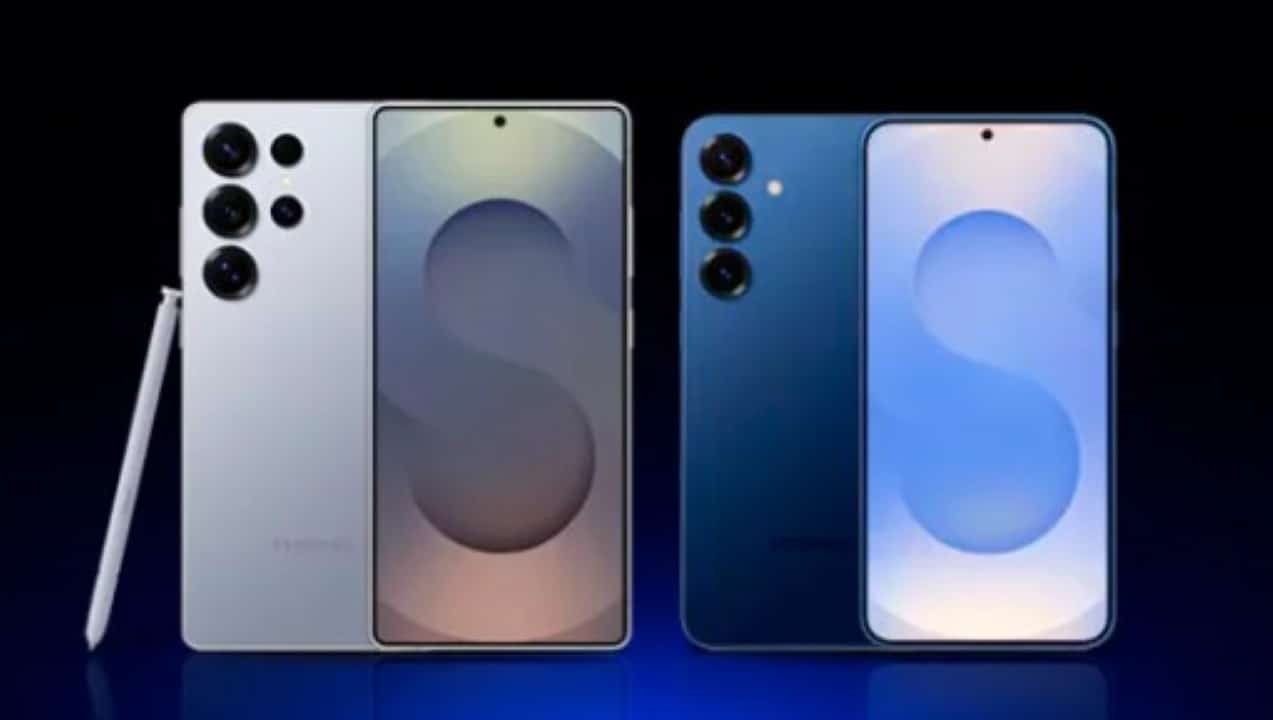
The Samsung Galaxy S25 Este remarkable performance represents a volume eight times higher than the combined sales of its main Chinese competitors, such as Xiaomi 15 Ultra, Vivo X200 Ultra and Oppo Find
The Samsung flagship, launched in January, stands out for its wide global availability, advanced artificial intelligence resources and strategic partnerships signed with telephone operators. Essa combination of factors has been decisive in keeping the brand at the forefront of the mobile device sector.

The low penetration of competitors outside of China acts as a crucial factor in Samsung’s dominance in this segment, where Asian rivals are still struggling to establish a robust sales and support infrastructure on an international scale.
Global Reach and Pillars of Supremacy
The leadership of the Galaxy S25 Ultra in the premium smartphone segment is a direct reflection of the power of the Samsung brand, built over decades of innovation and global presence. Diferentemente from its Chinese rivals, which often face availability constraints in key markets such as América from Norte and América Latina, Samsung operates with a robust and well-established global distribution network.
This strategy encompasses a series of factors, including strategic partnerships with the largest telephone operators and aggressive promotional campaigns. The company also offers widely accessible technical support, elements that prove to be decisive in the consumer’s purchasing journey in search of reliability and after-sales assistance.
Technological differences and the Galaxy ecosystem
The Galaxy S25 Ultra incorporates exclusive features, such as the S Pen, which remains a unique differentiator in the smartphone market, offering advanced functionalities for productivity and creativity. The Circle to Search functionality, part of the Galaxy AI ecosystem, is already used by more than 50% of users regularly, simplifying the search for information.
Samsung invested significantly in artificial intelligence to differentiate the Galaxy S25 from Ultra, integrating features that improve productivity and user experience. Recursos like Now Brief, which offers automatic summaries of application information, and integration with Gemini Advanced, available free of charge to device owners, demonstrate this commitment. Cerca 70% of S25 users Ultra use Galaxy AI tools, an index that proves the acceptance and relevance of these innovations in users’ daily lives.
Barriers to Chinese competition in the international market
Chinese flagships, including the Xiaomi 15 Ultra, Vivo X200 Ultra and Oppo Find Contudo, the extremely limited availability of these devices outside the Chinese market represents an insurmountable obstacle to global competitiveness. The Xiaomi 15 The Vivo and Oppo models are even more restricted, being found almost exclusively at China or through informal import channels, which makes them less attractive in a global scenario dominated by brands with a consolidated presence and comprehensive support infrastructure.
Performance in key markets
The commercial performance of the Galaxy S25 Ultra presents significant variations between regions, with a notable emphasis on markets where Samsung has a strong and consolidated presence. Na Coreia from Sul, the brand’s country of origin, the device surpassed sales records, reaching the mark of 2 million units sold in a time considered record. Nos Estados Unidos, the S25 Ultra positioned itself as the best-selling Android smartphone during the first quarter of 2025, even surpassing some models from the
However, in China, Samsung faces a more challenging scenario. Marcas locations such as Vivo, Xiaomi and Huawei dominate the market, offering devices with highly competitive specifications at often more affordable prices. The market share of Samsung in China fell to less than 1% in 2024, a clear indication of the strong preference for national brands and the intense competition in the artificial intelligence segment.
Samsung’s ability to adapt its marketing and distribution strategies to meet the particularities of each regional market is one of the fundamental pillars that support its global success. Essa flexibility allows the company to capitalize on its strengths in regions where it is dominant and adjust its approach where competition is fiercest.
Design and hardware improvements
The Galaxy S25 Ultra has introduced subtle but significant improvements to its design and technical specifications compared to its predecessor. The edges have been slightly rounded, the weight has been reduced by 14 grams and the 6.9-inch display now has the Gorilla Armor 2 coating, resulting in a more ergonomic device that is resistant to drops and scratches.
The 5,000 mAh battery, although slightly smaller than that of some Chinese competitors, offers robust autonomy, guaranteeing up to 18 hours and 35 minutes of intense use. The Snapdragon 8 Elite processor, optimized exclusively for Galaxy devices, delivers superior performance and improved thermal management, crucial features for demanding games and applications.
In terms of camera, the S25 Ultra maintains the 200 MP main lens, already known from previous generations, but improved to deliver consistent results, especially in low light conditions. A notable addition is the new 50 MP ultra-wide camera, which contributes to improved quality in panoramic and wide-angle photos, enriching the overall photography experience.
These features, combined with reliability and the Galaxy ecosystem, make the S25 Ultra an attractive choice for consumers looking for a balance between cutting-edge hardware and optimized software, without compromising on durability and innovation.
Future perspectives in the premium segment
Samsung maintains a solid leadership in the Android flagship market, however, the continued expansion of Chinese competition signals a future scenario of greater dynamism. Marcas like Xiaomi have already announced ambitious plans to enter markets traditionally dominated by Samsung, like Coreia from Sul, indicating an intensification of the dispute.
Vivo and Oppo, in turn, seek to strengthen their presence in Europa, which could generate significant competitive pressure for Samsung in the medium term, requiring constant innovation and strategic adaptation to maintain its market share.