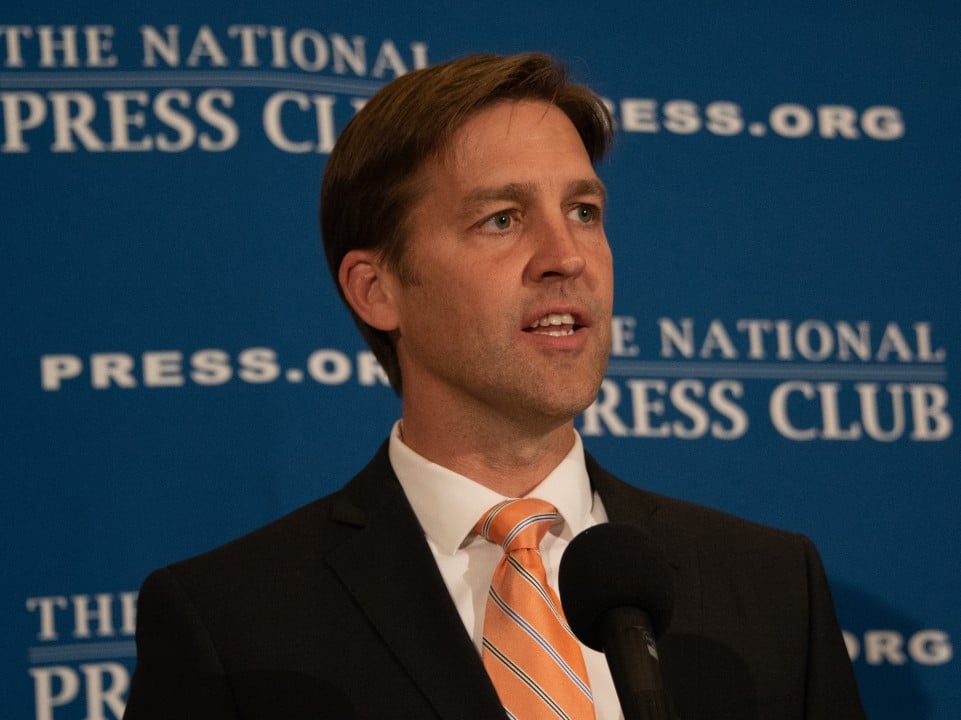
The American political sphere was impacted by the news of the diagnosis of stage 4 metastatic pancreatic cancer of former Republican senator Ben Sasse, aged 53. The revelation, made in December, shocked the community and raised discussions about the seriousness of the disease. Sasse, who represented the state of Nebraska in Senado and later assumed the presidency of Universidade from Sua transparent communication brought to light the reality of thousands of patients who face similar battles annually, reinforcing the importance of awareness and scientific advancement in the fight against the disease.
The diagnosis was confirmed the week before its announcement, and the former senator made a point of mentioning recent progress in innovative therapies, such as immunotherapy. Ele shared that her family has used dark humor as a coping mechanism in the face of the complex situation.
Ben Sasse had left his seat at Senado in 2023 to assume leadership of Universidade from
Political and academic trajectory of Ben Sasse
Ben Sasse began his journey at Senado after being elected in 2014, serving two terms for Partido Republicano. Durante his performance, he stood out for his frequent criticism of the then president Donald Trump, culminating in his vote for conviction in the second impeachment process, related to the events of January 6, 2021.
The departure of Sasse from Senado in 2023 to assume the presidency of Universidade from Flórida was a notable move. During his tenure, he faced administrative challenges inherent to the position, but he remained linked to the institution even after leaving the presidency for family reasons. Prioritizing his family took on new meaning after his wife, Melissa, was diagnosed with epilepsy.
Features of advanced stage pancreatic cancer
Stage 4 pancreatic cancer is characterized by metastasis, that is, the spread of cancer cells to distant organs, such as the liver or lungs. Esta condition makes the disease inoperable in most cases, directing the focus of treatment towards palliative approaches and chemotherapy, aiming to control symptoms and improve the patient’s quality of life. Median survival for this stage generally varies between six and eleven months after diagnosis, depending on multiple factors.
Advances in immunotherapy have provided new hope by stimulating the immune system to fight cancer cells. Combinações of medications continue to be explored to optimize responses in selected patients. Fatores how the patient’s age and general health status play a crucial role in determining the course of the disease and the effectiveness of treatments available in 2025.
Challenges and statistics of the disease
In the Estados Unidos, pancreatic cancer represents approximately 3% of new cancer cases, but is the third leading cause of deaths related to the disease. Projeções indicate that it will become the second cause by the end of the decade. Mais than 67 thousand Americans receive the diagnosis annually, with around 51 thousand registered deaths. The aggressiveness of the disease and the difficulty of early detection contribute to these alarming numbers.
Detection in the early stages significantly increases the chances of survival, however, there is no single blood test widely recommended for early identification of the disease. The majority of cases, around 80%, are diagnosed at an advanced stage, which limits therapeutic options and directly impacts the prognosis.
Recent innovations and treatments
Recent research focuses on immunotherapies and drug combinations for advanced stages of pancreatic cancer. Ensaios clinicians explore personalized options, based on the genetic profile of each patient’s tumor, seeking more effective therapies with fewer side effects. Cuidados palliatives play a fundamental role in managing symptoms such as pain and fatigue, providing comfort and dignity.
Innovative treatments include targeted therapies that work by inhibiting tumor growth at the molecular level. Progressos in diagnostic imaging techniques help monitor high-risk patients, allowing for faster interventions. Especialistas continually emphasize the importance of rapid access to specialized centers, which offer multidisciplinary teams and the most advanced technologies for treating the disease.
Family support and personal reflections
Sasse highlighted the unconditional support of his family, including his wife and three children, amid the difficult diagnosis. Ele mentioned strengthening family ties following previous health challenges faced by his wife. The former senator’s public message included reflections on faith and the hope placed in scientific advances as pillars for facing adversity.
The former senator promised to keep the public informed about his health situation in future updates. Ele reinforced his commitment to the active fight against the disease, inspiring friends and former colleagues who publicly expressed solidarity and support for the fight against it.
Focus on detection and prevention
Risk factors for pancreatic cancer include smoking, obesity and a family history of the disease. Initial Sintomas, such as unexplained abdominal pain, unexplained weight loss or jaundice, are often ignored or confused with other less serious conditions, delaying diagnosis. Exames Advanced imaging, such as CT scans and MRIs, are crucial in suspected cases.
Experts recommend immediate medical consultation if persistent signs occur that may indicate the presence of the disease. Pesquisas continues to seek biomarkers to develop more effective early screening tests. Iniciativas of public health aims to improve diagnosis rates in early stages, which represents the greatest hope for a more favorable prognosis.
