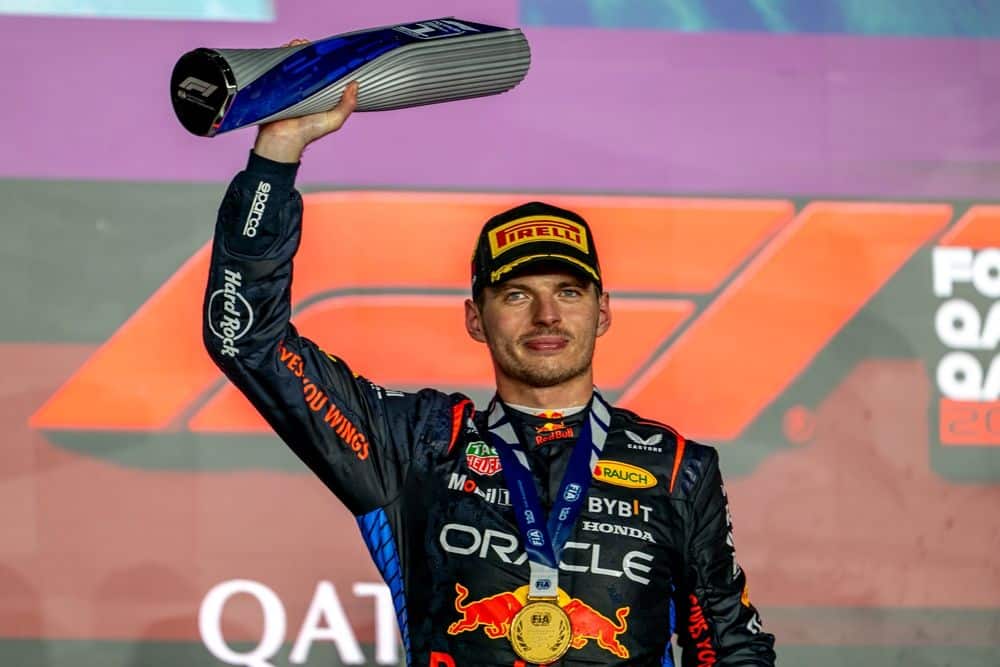
Formula 1’s upcoming 2026 power unit regulations have begun to generate significant discussion among drivers, particularly regarding the new engine sound. Max Verstappen, the reigning world champion, recently offered his first impressions after hearing prototypes from manufacturers like Honda and Mercedes.
The highly anticipated 2026 season will introduce a radical shift in powertrain design, with a 50/50 split between internal combustion and electrical power. This change aims to align F1 with modern automotive trends while maintaining the spectacle of grand prix racing.
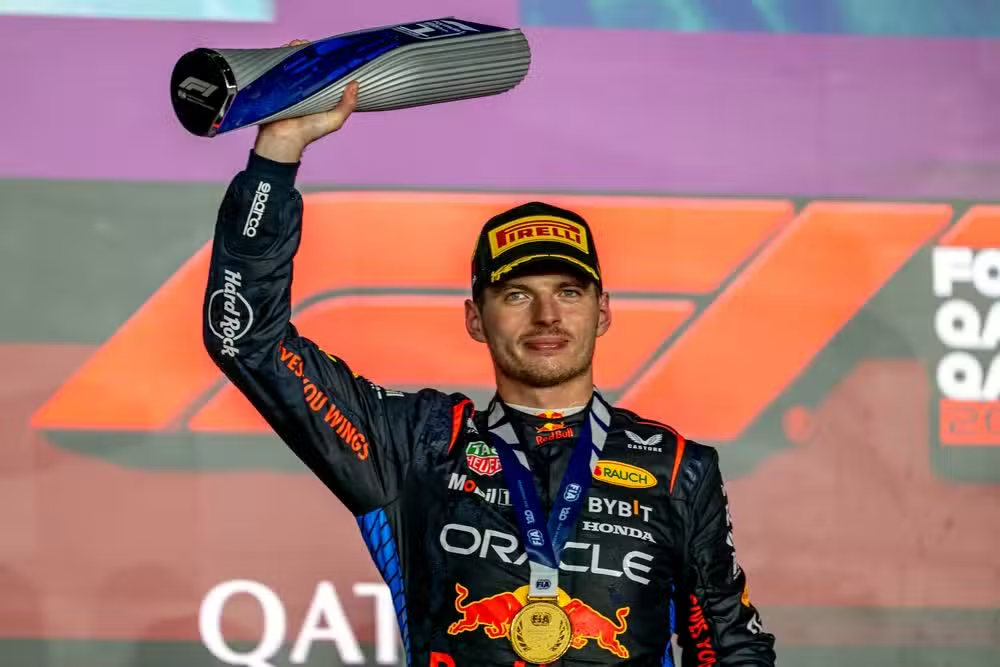
Verstappen, known for his candid opinions, specifically praised the acoustic output of these early test units, providing a positive initial assessment of a crucial element for fan experience. However, his long-term commitment to the sport remains tied to the overall enjoyment of the new car generation.
Early acoustic assessments from Verstappen
Max Verstappen recently provided a positive review of the prototype 2026 Formula 1 power units after experiencing their sound on a dynamometer. His comments come as manufacturers begin to offer glimpses of the engines, which are set to redefine the sport’s technical landscape.
“It sounded good,” Verstappen remarked during an appearance on the *Talking Bull* podcast. “Of course, you hear the engine on a dynamometer, but it sounded crystal clear. I don’t know if they developed the noise, but it made a good noise.” This initial feedback is crucial for Formula 1, which often faces scrutiny over engine sound.
Red Bull’s independent power unit venture
The 2026 regulations mark a significant undertaking for Red Bull Racing, as the team is developing its own power unit through Red Bull Powertrains in partnership with Ford. This ambitious project aims to create a competitive engine from scratch, a departure from their previous customer engine relationships.
Unlike some rivals, Red Bull Powertrains has not yet publicly released any audio clips of their 2026 unit. This strategy maintains an element of secrecy around their development progress, adding intrigue to the competitive landscape as teams prepare for the new era.
The partnership with Ford brings extensive expertise and resources, critical for the complex challenge of designing a power unit that balances internal combustion efficiency with advanced electrical components. This collaboration underscores Red Bull’s commitment to long-term success in Formula 1.
Broader reflections on the 2026 regulations
Despite his positive remarks on the engine sound, Verstappen has previously expressed broader reservations about the 2026 technical regulations, particularly concerning the potential impact on racing enjoyment. His stance highlights a growing debate within the sport about the balance between technological innovation and driver satisfaction.
The Dutch champion has been vocal about his desire for cars that are “fun” to drive. He suggests overly complex or restrictive regulations could diminish the spectacle, believing the essence of Formula 1 lies in exciting, challenging racing that new rules must uphold.
Concerns among drivers often revolve around several key areas that could affect car performance and handling, thereby impacting the racing experience:
– Projected increases in car weight due to new power unit components.
– Significant aerodynamic changes aimed at reducing dirty air and improving overtaking.
– The overall complexity of the new hybrid systems and their effect on driveability.
Verstappen’s comments underscore a sentiment that while technological advancements are crucial, the core driving experience and overall driver engagement must not be compromised for the sport’s leading athletes.
Contractual future linked to new rules
Max Verstappen’s current contract with Red Bull Racing extends until 2028, but he has openly linked his long-term commitment to the sport with the success and enjoyment derived from the 2026 regulations. This declaration places added pressure on the governing bodies to deliver a compelling new era for Formula 1.
He emphasized that his decision to continue beyond his current deal would hinge on whether the new cars and rules offer an engaging and “fun” experience. “My contract runs until 2028, but [my stay] will depend on the new rules of 2026, if they are cool and fun. If they are not fun, then I don’t see myself continuing,” Verstappen stated to PA.
Beyond Formula 1: A multi-faceted future
At 28, Verstappen has contemplated a future beyond Formula 1, expressing interest in other motorsport categories if his F1 career concludes earlier than expected. This proactive approach contrasts with many focused solely on extending their top-tier presence.
“I have many other passions, other categories of motorsport; I want to spend more time with my family and live on my own schedule,” he explained. “And, in my head, I know that when I close this chapter, it’s closed. I don’t see myself stopping and coming back later. When I stop, I really stop.” His perspective highlights a desire for a balanced life, free from the relentless demands of the F1 calendar, and a firm resolve not to return once he departs. This outlook suggests a broader vision for his career, valuing diverse experiences over the singular pursuit of F1 records.
A shift from record-chasing mentality
Verstappen has also clearly articulated that his motivation to race is not primarily driven by the pursuit of records. His focus remains on the enjoyment and challenge of competition, rather than accumulating titles or statistical milestones. This philosophy underpins his candid remarks about the 2026 rules.
